Magnetic 'Nanoflowers' Offer Dual Solution to Nanoplastic Pollution, Fueling Circular Economy
Context mode is active. Hover over any highlighted term to see its definition. Click a nested term to go deeper.
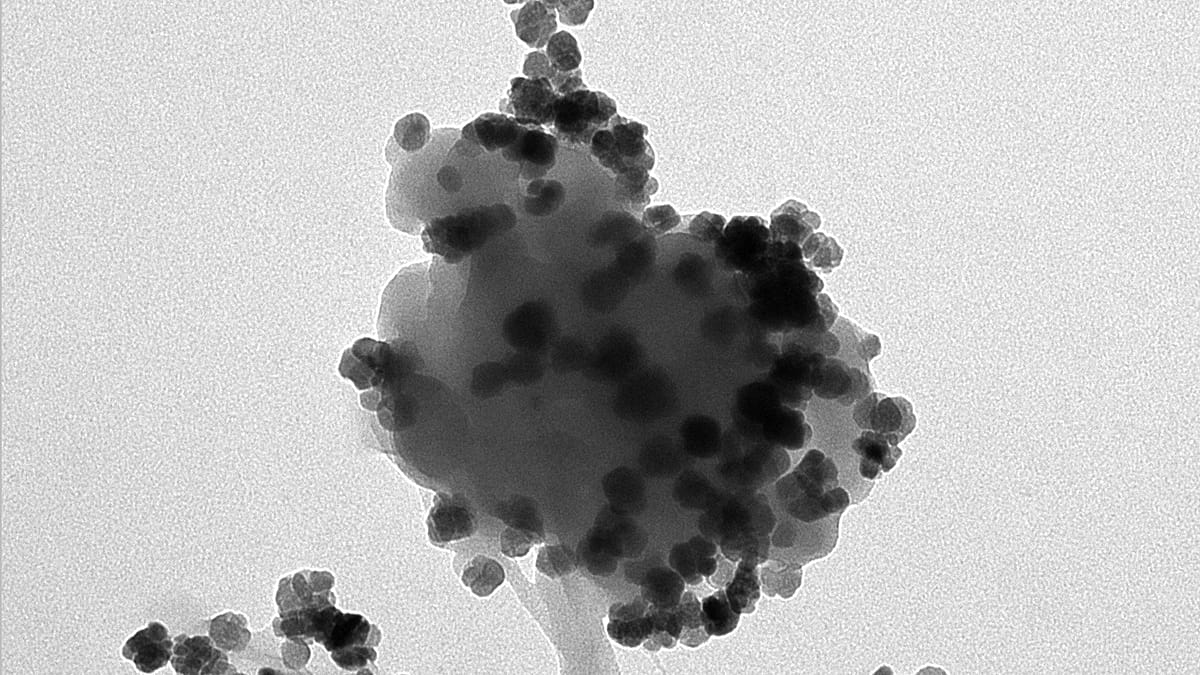
Scientists at Spain's Institute of Materials Science of Madrid (ICMM-CSIC) have engineered tiny magnetic 'nanoflowers' that can capture elusive nanoplastics from water and then transform them into materials capable of cleaning other pollutants. This groundbreaking innovation targets minute plastic fragments a thousand times smaller than microplastics, offering a dual-action solution to a global environmental crisis. This development comes as the world grapples with the pervasive issue of plastic pollution, where nanoplastics, often invisible to conventional methods, infiltrate water and soil, posing significant ecological and health risks. The ICMM-CSIC team, including lead researchers Alvaro Gallo-Cordova, Rafael Herrera-Aquino, and Maria del Puerto Morales, previously tackled microplastics in 2024, but this latest advance scales their impact to the far more challenging nanoplastic level. The beauty of these iron oxide nanoflowers lies in their magnetic properties and unique geometry, which not only efficiently trap PET nanoplastics but also repurpose them into valuable substances that can remove heavy metals or organic dyes from water. Looking ahead, the research, detailed in the Chemical Engineering Journal, heralds a significant step toward a true circular economy in water purification, turning hazardous waste into a reusable resource. The nanoflowers boast impressive durability, maintaining 88% effectiveness after five usage cycles, and their low energy demand makes them a promising candidate for advanced water treatment systems worldwide. What remains is to see how rapidly this technology can move from laboratory success to wider application, offering a critical new tool in the fight against pervasive plastic contamination.