Maharashtra Battles Severe Drought: CM Fadnavis Forms High-Powered Weekly Monitoring Committee
Context mode is active. Hover over any highlighted term to see its definition. Click a nested term to go deeper.
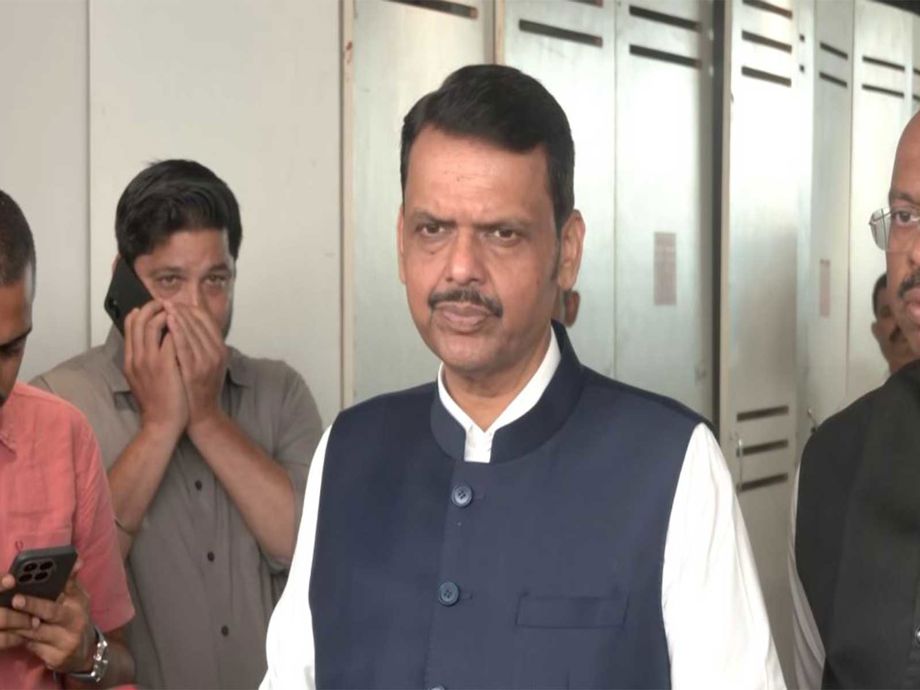
Maharashtra Chief Minister Devendra Fadnavis has moved swiftly to combat a rapidly worsening drought, forming a powerful Cabinet Sub-Committee tasked with weekly monitoring and rapid decision-making on relief measures. The urgent action comes as Cooperation Minister Babasaheb Patil hinted at a full 100% drought declaration by month-end, describing the current dry spell as the most severe he has witnessed in his lifetime. The committee, led by Revenue Minister Chandrashekhar Bawankule, has been granted full cabinet powers, enabling quick assistance to farmers and affected populations without getting bogged down by usual bureaucratic delays. The crisis is particularly acute across major agricultural belts like Marathwada and Vidarbha, where weak monsoon rains have severely damaged crucial crops such as soybean, cotton, maize, paddy, and jowar, hitting farmers hard. The government is prioritising drinking water and animal fodder, delegating immediate responsibilities to local municipal bodies and panchayati raj institutions. This intervention follows mounting pressure from the Opposition, who have called for an immediate drought declaration and substantial compensation, with Maharashtra Congress President Harshvardhan Sapkal criticising perceived delays in relief. CM Fadnavis has stressed that the state will fund immediate relief from its own budget, not waiting for aid from the National Disaster Response Fund (NDRF), even while preparing a formal proposal for central assistance. Looking ahead, preliminary drought mitigation notifications are expected by Saturday, with official crop loss assessments, known as 'panchnama,' set to commence soon, some after October 5. The newly empowered Cabinet Sub-Committee will be crucial in overseeing these efforts and ensuring timely aid reaches those in dire need. Ministers and public representatives are slated to begin field visits to personally assess the ground situation, underscoring the government's commitment to tackle what is shaping up to be a critical challenge for the state's agriculture and rural communities.