Makkah Defence Pact Tested as Houthi Strikes Injure 73 in Saudi Arabia
Context mode is active. Hover over any highlighted term to see its definition. Click a nested term to go deeper.
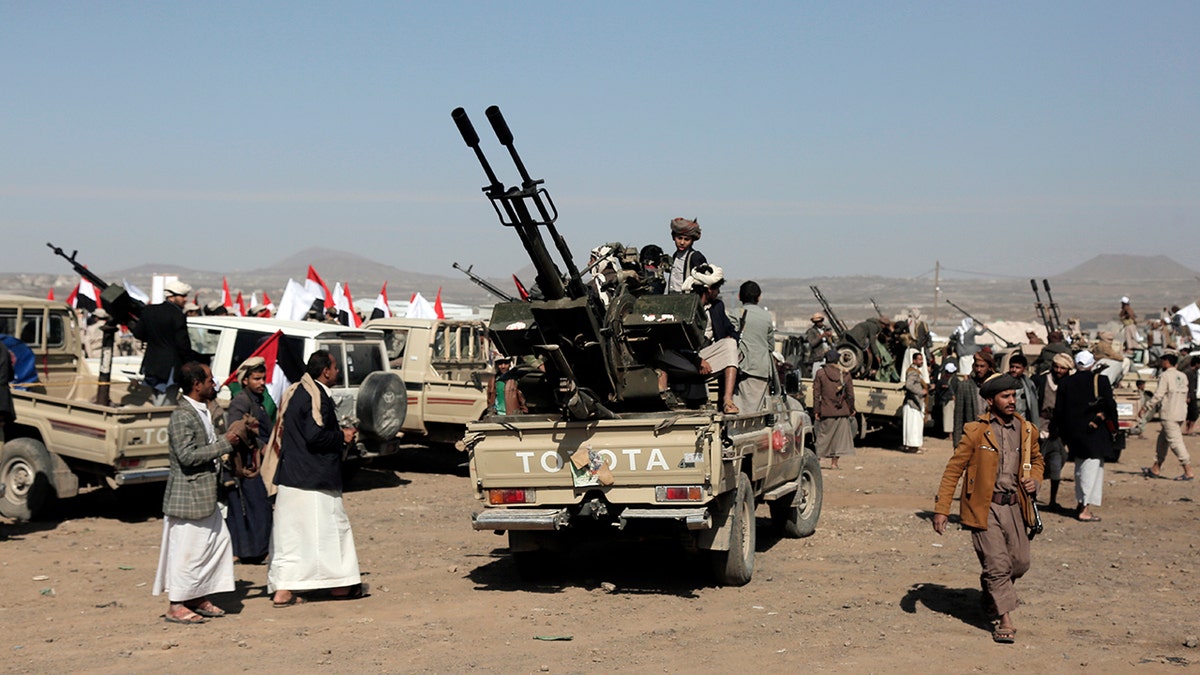
A fresh wave of Houthi drone and missile attacks struck southern Saudi Arabia on September 8, injuring 73 civilians and igniting fires at key oil facilities in cities like Abha, Jazan, and Najran. This dramatic escalation immediately puts the newly formed Makkah Defence Pact to its first significant test, challenging its core promise of collective defense barely a month after its signing. While Pakistan has issued strong condemnations, the true extent of the pact's operational capability is now under intense scrutiny. The attacks are part of a broader, intensified Yemen civil war, which reignited on September 3, 2026, following the collapse of a 2022 ceasefire and amid the ongoing 2026 Iran war. The Iran-backed Houthi movement, also known as Ansar Allah, claims these strikes are retaliation for Saudi airstrikes within Yemen and Riyadh's support for the Yemeni government's counter-offensive. The Makkah Defence Pact, signed by Pakistan, Saudi Arabia, and Turkey on August 7, 2026, explicitly states that an attack on one member is an attack on all, echoing NATO's collective defense principle. With Saudi Arabia vowing a 'firm response' and conducting retaliatory airstrikes, the coming weeks will reveal how deeply the pact's members commit to its mutual defense clause beyond diplomatic statements. Pakistan Defence Minister Khawaja Asif has affirmed the pact's activation if aggression persists, yet the agreement's precise military obligations remain deliberately ambiguous. As Brent crude prices tick towards $98 per barrel and over 18,500 Yemenis are displaced, the international community watches closely to see if this alliance can truly stabilize a volatile region or if it will be perceived as a costly illusion.