Malaysia Grapples with Health Crisis as Haze Fuels Soaring Asthma, URTI Cases
Context mode is active. Hover over any highlighted term to see its definition. Click a nested term to go deeper.
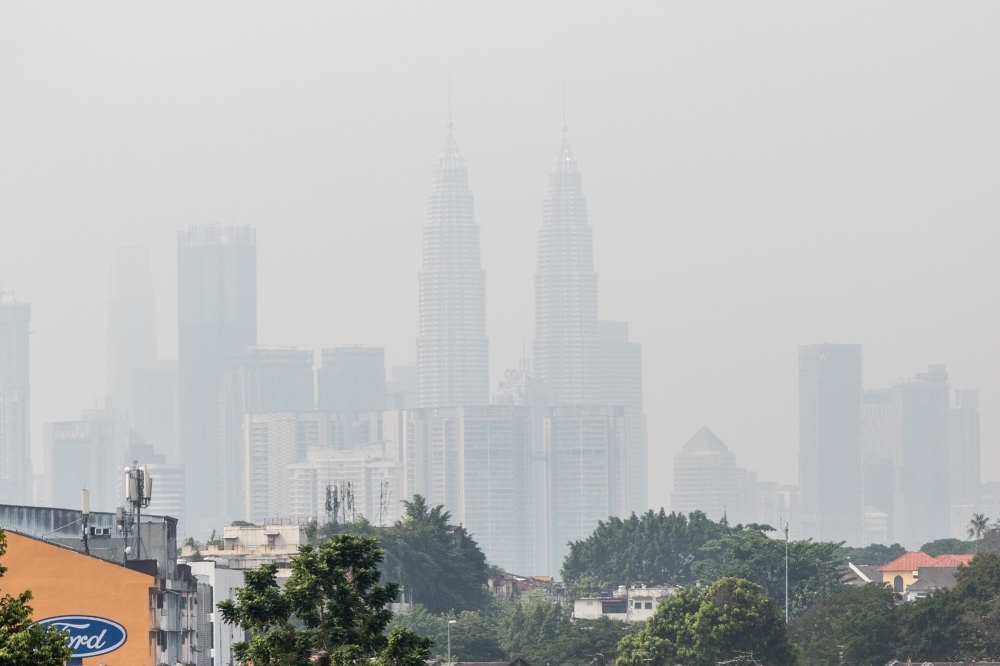
Malaysia is battling a growing public health emergency, with Health Minister Dzulkefly Ahmad revealing a shocking 259 percent surge in asthma cases and a 124 percent jump in upper respiratory tract infections (URTI) over the past two epidemiological weeks. This alarming spike, recorded between August 9 and 22, comes as a dense haze continues to blanket several parts of the country, pushing air quality into unhealthy zones. The minister highlighted that URTI cases alone accounted for 3,674 of the reported infections. The worsening air quality, measured by the Air Pollutant Index (API), has seen seven areas, predominantly in the northern Borneo state of Sarawak, register unhealthy readings, with Serian hitting a concerning 197. This recurring annual haze is primarily fueled by slash-and-burn agriculture, particularly peat fires, often originating from neighboring Indonesia, a longstanding regional issue. Exacerbated by dry conditions and the El Niño weather phenomenon, this transboundary pollution regularly strains healthcare systems and impacts daily life across Southeast Asia. As medical teams closely monitor the situation and advise the public to limit outdoor activities, the incident underscores the urgent need for enhanced regional cooperation under agreements like the ASEAN Agreement on Transboundary Haze Pollution (AATHP). With dry conditions forecasted to continue over the southern ASEAN region, authorities are bracing for potentially further deterioration of air quality. The sustained health burden and economic disruptions demand more decisive collective action to tackle the root causes of this environmental and public health menace.