Mars Unveils Ancient Water Story: Curiosity Rover Finds Massive 'Honeycomb' Landscape
Context mode is active. Hover over any highlighted term to see its definition. Click a nested term to go deeper.
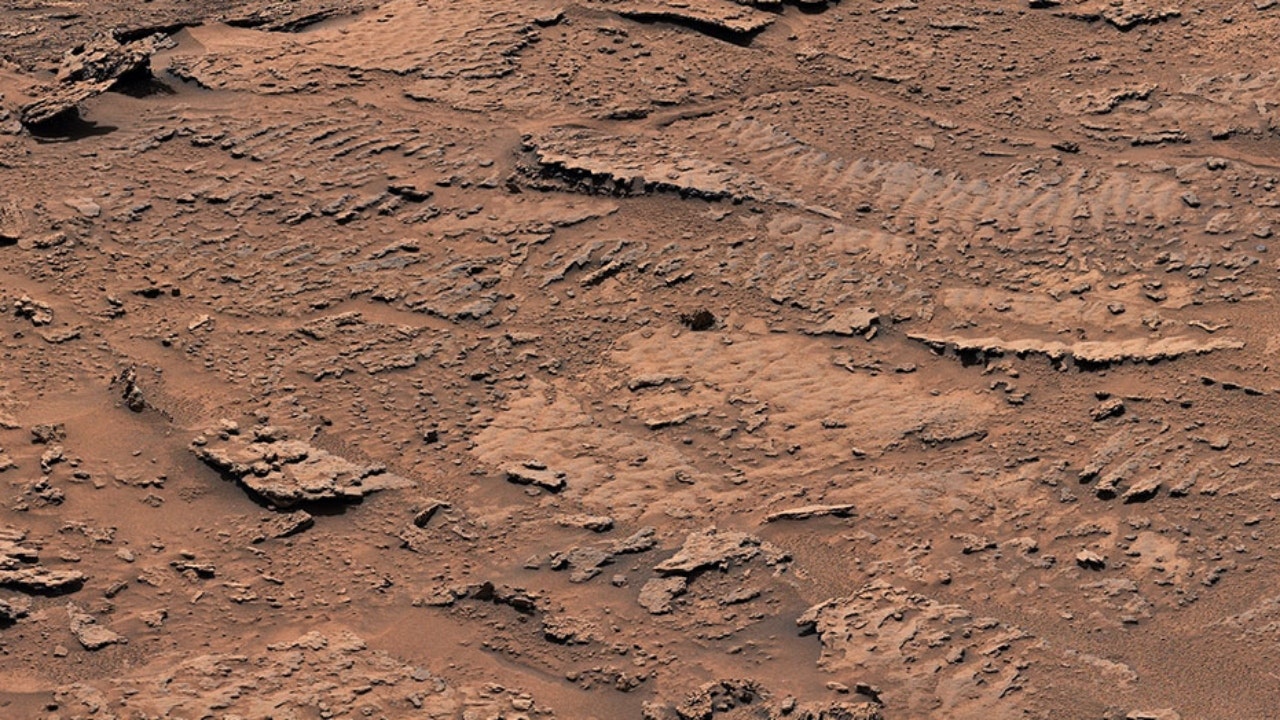
NASA Curiosity Rover has beamed back breathtaking images from Mars, revealing a vast 'honeycomb' landscape in a Martian valley nicknamed 'Valle Grande'. These polygonal fractures, spreading as far as the rover can see, are the largest such field ever observed on the Red Planet and offer compelling new evidence of ancient cycles of rain, drought, and cracking mud on Mars. This extraordinary discovery suggests that liquid water played a much more dynamic role in shaping Mars billions of years ago than previously imagined, fueling the ongoing quest for signs of past life. The presence of these extensive mud cracks is a critical piece in understanding Mars climatic evolution. For over 14 years, the Curiosity Rover has been diligently climbing Mount Sharp within Gale Crater, a massive impact basin believed to have once harbored lakes and streams. While smaller patches of similar features have been spotted before, the sheer scale of this new finding in Valle Grande reinforces the idea that Mars experienced extended wet-dry cycles during the Noachian-Hesperian transition, approximately 3.8 to 3.6 billion years ago. This latest insight builds upon Curiosity's previous groundbreaking discoveries, including diverse organic molecules and unexpected elemental sulfur crystals, which together paint a picture of an ancient Mars potentially suitable for microbial life. Scientists, led by Project Scientist Ashwin Vasavada, are now carefully analyzing the shapes and chemical composition of these unique Martian polygons, hoping to unlock further clues about their formation and the planet's watery past. This ongoing investigation will help researchers determine how long groundwater persisted on Mars and if these protected subsurface environments could have supported microscopic life. The findings from Valle Grande will significantly contribute to our understanding of Mars transition from a potentially habitable world to the frozen desert it is today, informing future missions to search for life beyond Earth.