Mass. Medicaid Ends Weight Loss Drug Coverage for Thousands, Including Children
Context mode is active. Hover over any highlighted term to see its definition. Click a nested term to go deeper.
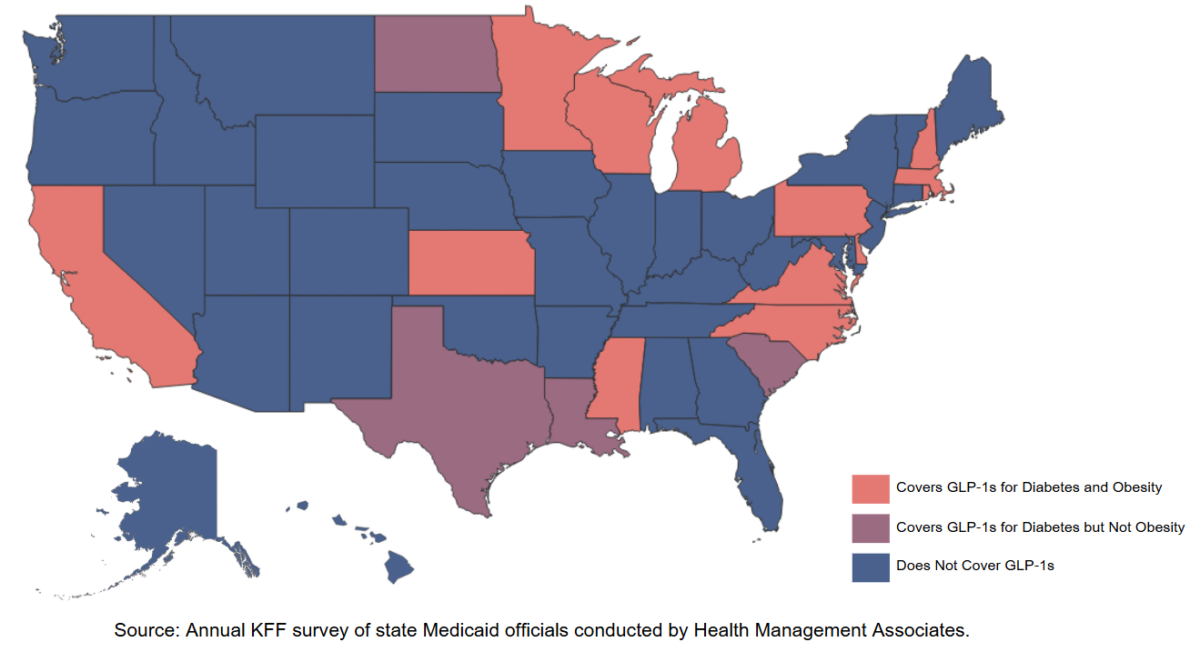
Massachusetts's Medicaid program, MassHealth, has officially stopped covering GLP-1 drugs and other anti-obesity medications when prescribed solely for weight loss, a move that immediately impacts roughly 22,000 residents, including an estimated 2,500 children. The drastic policy change, which went into effect on July 3, 2026, aims to curb soaring healthcare costs, with officials projecting a savings of approximately $15 million. This decision leaves thousands of patients, many of whom have seen significant health improvements from these highly effective drugs, facing the daunting prospect of regaining weight and confronting associated health issues. While GLP-1s will still be covered for other conditions like diabetes, or for obesity when combined with severe comorbidities such as cardiovascular disease, moderate to severe sleep apnea, or metabolic liver disease, the narrow criteria mean many, especially younger patients, will lose access. This move also brings Massachusetts in line with most other states' Medicaid programs, contrasting sharply with Medicare recent pilot program to expand some GLP-1 coverage. Patients are reportedly 'dreading' the future, scrambling for alternatives like less effective medications or considering second jobs to afford the hundreds of dollars in monthly out-of-pocket costs. Pediatricians worry about children re-experiencing depression, anxiety, bullying, and the long-term health risks of untreated obesity. Doctors' offices are navigating complex new prior authorization rules, leaving many to question the long-term public health implications of limiting access to these transformative treatments.