Matabeleland's Medical Lifeline Fraying: Terrible Roads Block Essential Medicine Deliveries
Context mode is active. Hover over any highlighted term to see its definition. Click a nested term to go deeper.
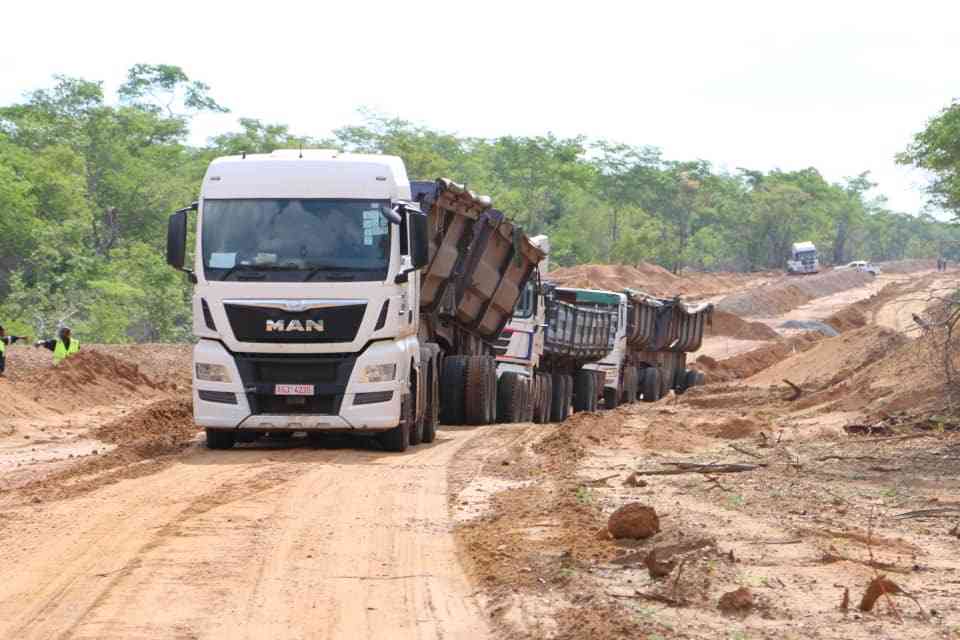
Matabeleland, a region in Zimbabwe, is grappling with a severe public health crisis as dreadful road conditions are actively blocking the distribution of essential medicines to its health facilities. The government-owned National Pharmaceutical Company (NatPharm) reports a relentless cycle of truck breakdowns, skyrocketing delivery costs, and critical delays in getting life-saving drugs to patients who desperately need them. The situation is particularly dire in districts like Binga, Hwange, and Nkayi, identified by NatPharm as hotspots for vehicle failures due to the severely deteriorated road network. This isn't just about potholes; it's a systemic failure impacting the entire public health supply chain in Zimbabwe. NatPharm officials recently told a Parliamentary Health Committee that rainy seasons exacerbate the problem, making even more districts like Tsholotsho, Beitbridge, and Insiza incredibly difficult to reach. The challenges extend beyond Matabeleland, with public hospitals across the region reportedly owing NatPharm almost US$2.7 million from 2024, further crippling the company's ability to restock and distribute. This financial strain, combined with a broader funding gap for essential medicines, means shelves at the Bulawayo warehouse are already bare of basic items like paracetamol and critical antibiotics. Looking ahead, the immediate priority for the Zimbabwean government and NatPharm is to find urgent solutions. While the Ministry of Transport has announced various road rehabilitation plans in Matabeleland, actual progress has been slow, and funding remains a major hurdle. NatPharm has even explored drone delivery to overcome logistical nightmares, but faces regulatory challenges from aviation authorities. The Parliamentary Health Committee is urging a 'whole government approach' to prioritize roads leading to health facilities, recognizing that without functional infrastructure, even procured medicines are useless to remote communities. The crisis highlights the urgent need for both infrastructure investment and sustainable healthcare financing to ensure equitable access to health for all Zimbabweans.