Mayawati Challenges New UPI Charges, Cites Burden on Common People
Context mode is active. Hover over any highlighted term to see its definition. Click a nested term to go deeper.
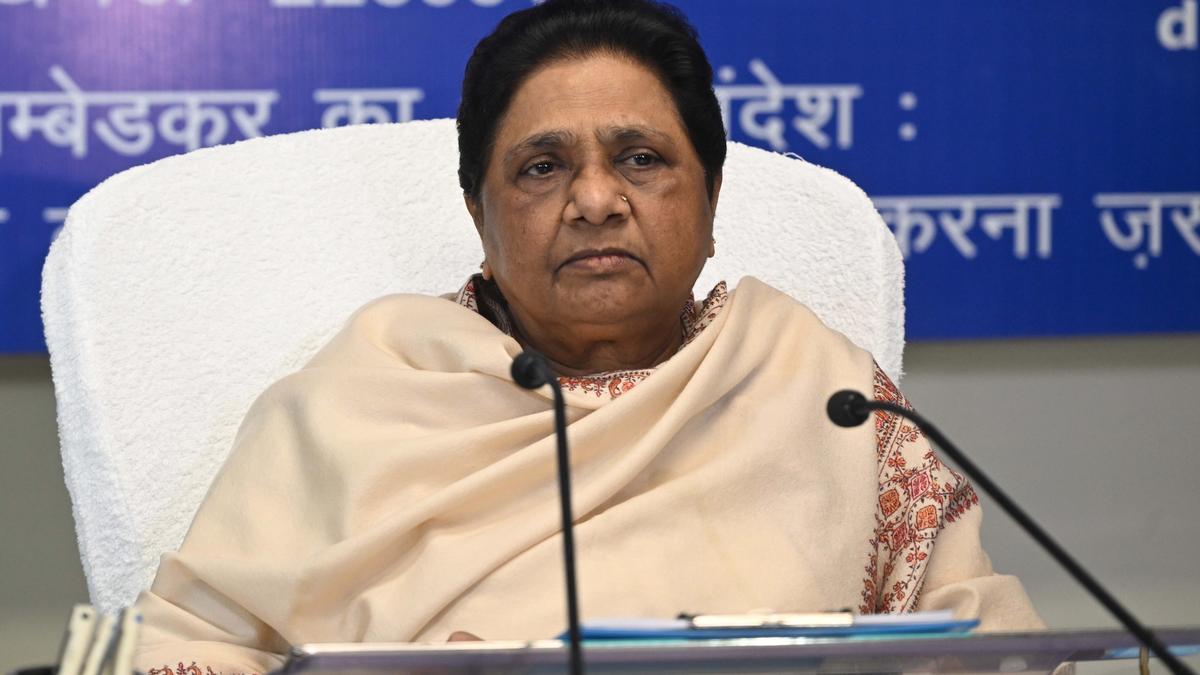
Bahujan Samaj Party (BSP) chief Mayawati has vehemently opposed the Indian government's newly introduced Merchant Discount Rate (MDR) on select UPI transactions, effective October 15. She argues that this 0.4% charge on person-to-merchant (P2M) transactions above Rs 2,000, while officially aimed at businesses, will ultimately increase expenses and burden common people already grappling with inflation and poverty. Mayawati took to X, calling the move a 'capitalist profiteering attitude' and questioned the government's priorities in light of widespread economic hardship. This new MDR framework marks a significant shift from the previous zero-MDR regime, which had been in place for nearly six years to promote digital payments. The National Payments Corporation of India (NPCI) and the government assert that the charge is necessary to sustain and expand UPI infrastructure, including cybersecurity and customer support, ensuring long-term viability. While person-to-person (P2P) transactions and P2M payments under Rs 2,000 remain free, and small merchants with monthly UPI receipts up to Rs 1 lakh are exempt, critics like Mayawati fear businesses will pass on these costs, despite government advisories against it. The controversy underscores the delicate balance between fostering digital economy growth and protecting citizens from perceived financial strain. With a petition already filed in the Supreme Court challenging these charges and other opposition leaders also voicing concerns, the coming weeks will likely see intensified debate and potential public unease as the October 15 implementation date approaches. Meanwhile, Mayawati also weighed in on the Uttar Pradesh government plan to convert 14,429 schools into 'smart schools', questioning the adequacy of the allocated funds for basic educational needs.