McMaster Researchers Uncover Phage Protein That Disarms Dangerous Bacteria, Boosting Antimicrobial Hope
Context mode is active. Hover over any highlighted term to see its definition. Click a nested term to go deeper.
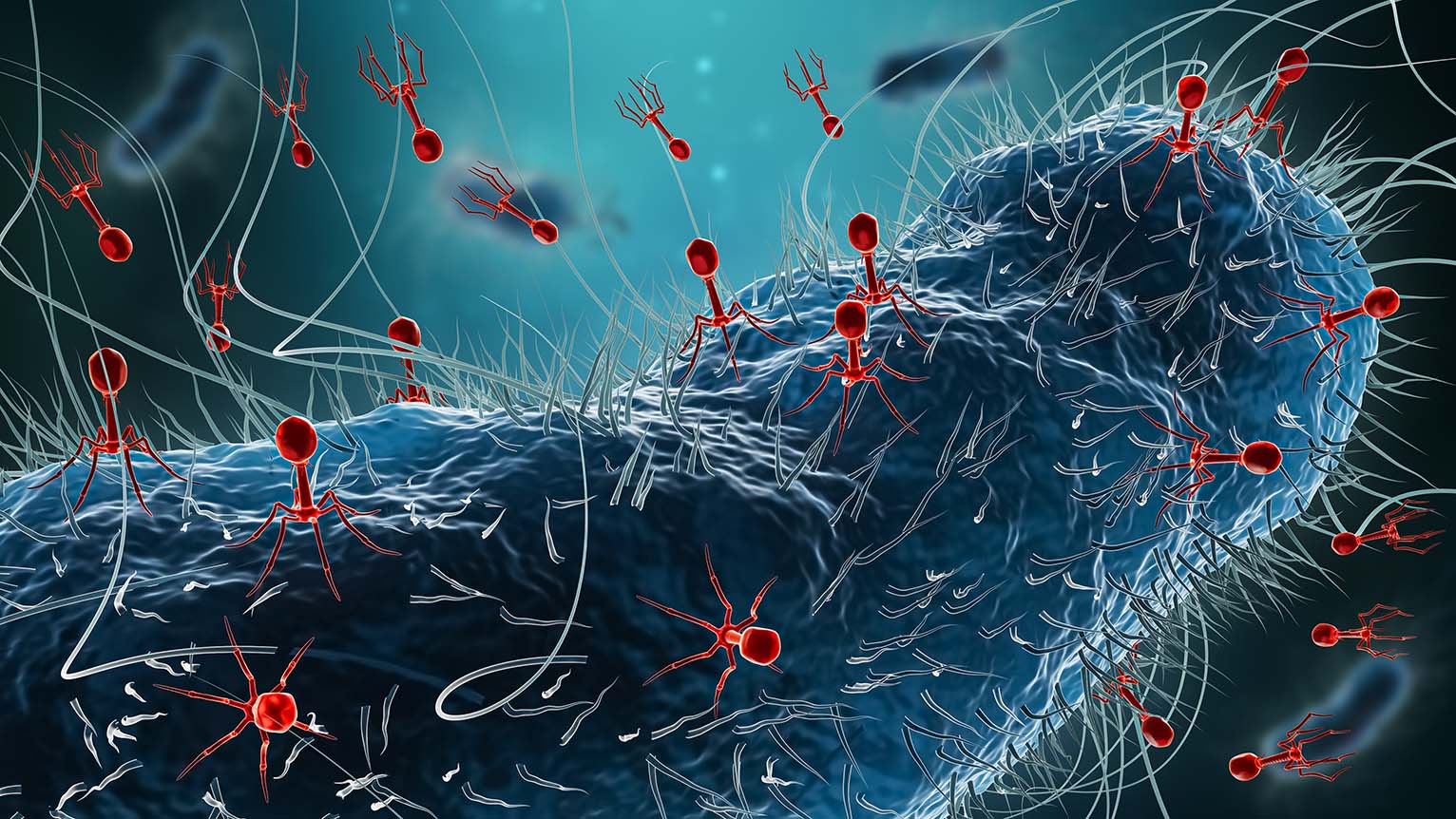
McMaster University researchers have unveiled a groundbreaking discovery in the fight against dangerous bacteria, identifying a phage-produced protein, Aqs1, that disarms multiple disease-causing microbes. Published recently in the journal PLOS Pathogens, this finding presents a 'one-two punch' by both affirming the potential of phage-based therapies and exposing a broad new vulnerability in bacteria that could be targeted by future drugs. The protein works by shutting down the molecular machinery responsible for building type IV pili, tiny hair-like structures crucial for bacterial movement, attachment to host tissues, and overall survival. This discovery is particularly significant in the face of the escalating global crisis of antimicrobial resistance, where traditional antibiotics are becoming increasingly ineffective against 'superbugs.' While phages – viruses that specifically infect and kill bacteria – have long been considered a promising alternative, challenges like identifying the right phage for a specific infection and overcoming bacterial resistance to phages have hindered widespread adoption. The McMaster team's work, led by Professor Emerita Lori Burrows and postdoctoral fellow Nathan Roberge, reveals that even phages specific to certain bacteria, like Pseudomonas aeruginosa, can produce protein that broadly disable similar virulence factors across different bacterial species. This indicates a potential for broad-spectrum drugs that mimic Aqs1 effect. Looking ahead, this research paves the way for a new generation of antimicrobial therapies that could overcome existing drug resistance. The team's insights into how Aqs1 binds to and destabilizes PilB – a key protein in pilus production – provide a crucial 'design template' for developing broad-spectrum inhibitors. Further research will likely focus on developing these Aqs1-inspired drugs and integrating them into clinical practice, potentially revolutionizing how we combat persistent and drug-resistant bacterial infections worldwide. This is part of a broader push at McMaster and other institutions to make phage-based solutions more accessible and effective, with recent advancements also including faster phage identification and storage methods.