Mega-Trial Blends Lifestyle, GLP-1 Drugs to Halt Alzheimer's Cognitive Decline
Context mode is active. Hover over any highlighted term to see its definition. Click a nested term to go deeper.
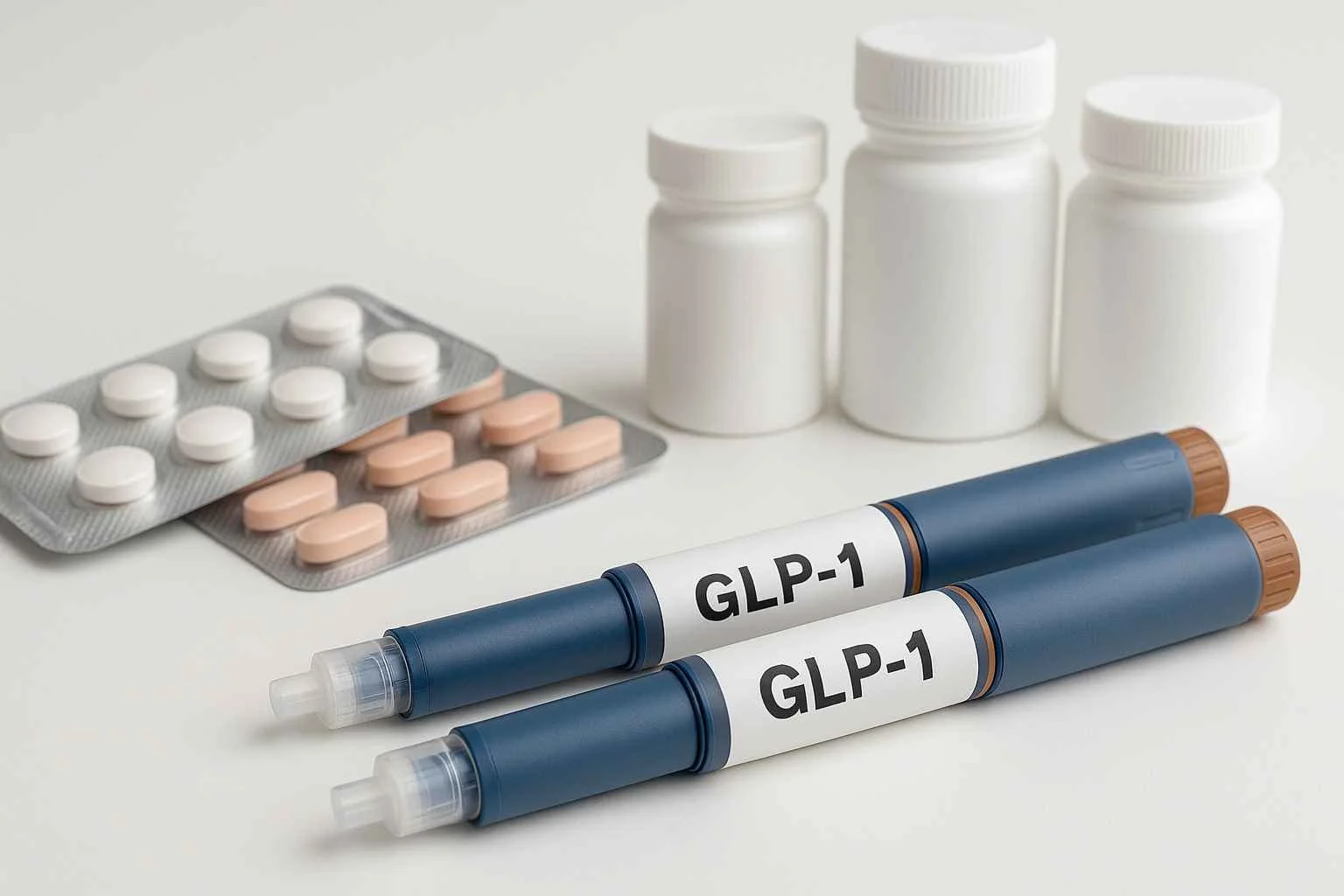
The Alzheimer's Association has just launched a groundbreaking $100 million global clinical trial, named the PROTECT-Cog Study, aiming to prevent cognitive decline and dementia by combining proven lifestyle changes with GLP-1 agonist drugs. Announced at the Alzheimer's Association International Conference (AAIC) 2026 in London, this ambitious three-year study represents a significant leap in prevention science, targeting at-risk older adults with a dual approach to safeguard their brain health before symptoms take hold. This new initiative builds directly on the success of the US POINTER trial, which previously showed that structured lifestyle intervention alone could protect cognitive function. The PROTECT-Cog Study now seeks to amplify those benefits by adding metabolism-targeting GLP-1 drugs, a class of medications known for treating diabetes and obesity. While previous large-scale GLP-1 trials like Novo Nordisk Phase III EVOKE study with Semaglutide had mixed results in people with early Alzheimer's, smaller studies with Liraglutide showed promise in slowing cognitive decline and brain shrinkage, fueling the hope that a combined approach might be the key. Over the next three years, participants in the PROTECT-Cog Study will undergo comprehensive health evaluations, testing two different levels of lifestyle intervention alongside the GLP-1 medication. If successful, this trial could unlock widely accessible and effective strategies to delay or even prevent the onset of Alzheimer's and other forms of dementia, transforming how we approach brain health globally. The results are eagerly awaited, as they could pave the way for a new era of proactive Alzheimer's care.