Meghalaya Mid-Day Meal Cooks Threaten Strike, Demand Fairer Wages Amid Stagnant Pay
Context mode is active. Hover over any highlighted term to see its definition. Click a nested term to go deeper.
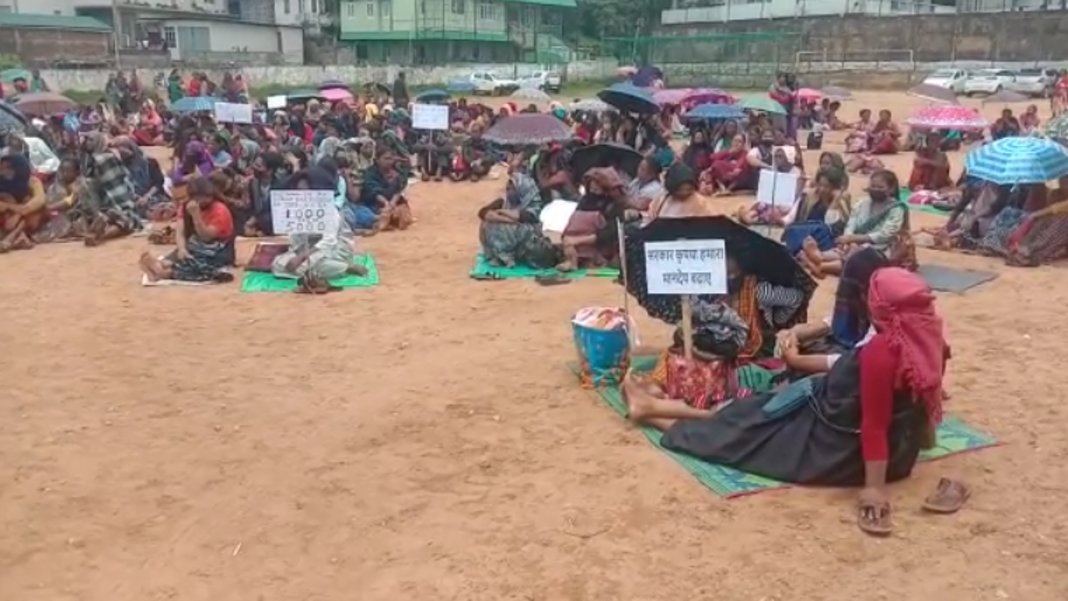
Mid-day meals for thousands of schoolchildren in Meghalaya are on the verge of halting from September 1, 2026, as cook-cum-helpers under the PM POSHAN scheme have announced a strike. Their urgent call for action stems from the Central Government prolonged failure to significantly increase their monthly honorarium, which has largely remained stagnant at a paltry ₹900 (central share) for over a decade, despite soaring living costs. This decision, made by the Central Executive Committee of the Union of Cook-cum-Helpers PM POSHAN, highlights a critical nationwide issue affecting essential frontline workers. This isn't just a local Meghalaya issue; it's a simmering national crisis. While Meghalaya State Government commendably increased its own share in 2022, bringing the total to around ₹2,000 per month for these workers, the central contribution has been frozen since 2009, making their overall remuneration deeply inadequate. Many other states, including 22 Union Territories, have also formally petitioned the Ministry of Education for a wage hike, underscoring the widespread dissatisfaction and the immense pressure on these workers who are crucial for child nutrition and education. The cook-cum-helpers, many of whom are women from vulnerable households, have also been hit by delayed payments, with honorarium for April, May, and June reportedly still pending. Looking ahead, the Union has submitted memorandums to key figures, including the Prime Minister and Union Finance Minister Nirmala Sitharaman, urging immediate intervention during the ongoing Monsoon Session of Parliament. The potential disruption from this strike could severely impact the nutritional intake and school attendance of millions of children, especially those from economically weaker sections who rely on these meals. The situation demands a swift and equitable resolution to prevent a humanitarian ripple effect, pushing the ball firmly into the court of central policymakers to address these long-standing grievances.