Melatonin Shows Promise Against Preterm Birth Inflammation
Context mode is active. Hover over any highlighted term to see its definition. Click a nested term to go deeper.
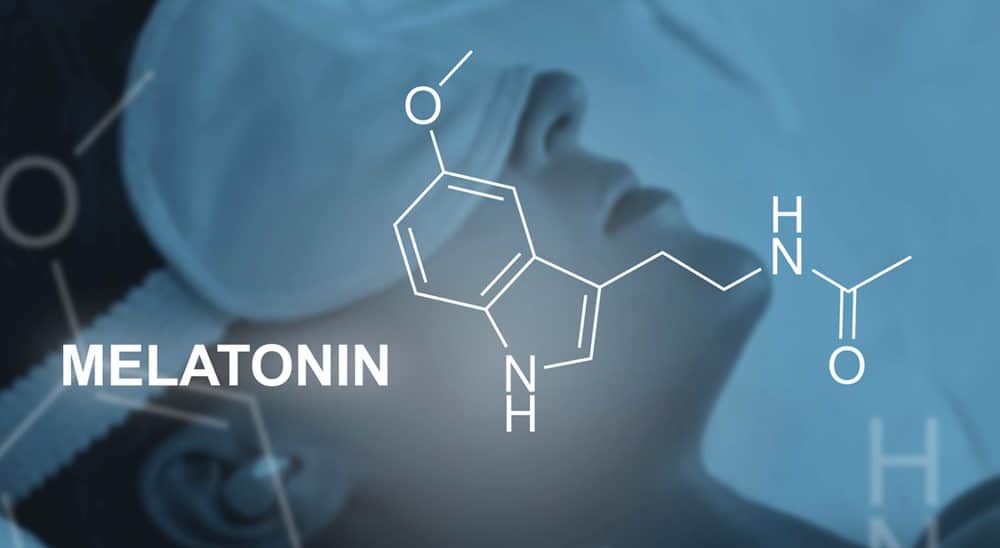
Groundbreaking new research has revealed that melatonin, often known for regulating sleep, effectively dampens infection-triggered inflammation in human fetal membranes, a leading cause of preterm birth. Published recently in Scientific Reports, an ex vivo study demonstrated how melatonin significantly reduced key pro-inflammatory signals like TNF-α and IL-1β, hinting at a novel pathway to combat premature labor. This discovery could pave the way for urgently needed new strategies to prevent early deliveries worldwide. Preterm birth remains the top cause of death for children under five globally, with infection and inflammation of the fetal membranes being major culprits that weaken these protective tissues and initiate early labor. This latest finding builds on previous animal model research, including a recent in vivo mouse study published in MDPI in September 2025, which showed melatonin not only cut down preterm birth rates but also boosted postnatal lung development, offering crucial neuroprotection. The current lack of effective prevention and treatment options makes these anti-inflammatory insights particularly vital. While promising, this ex vivo study is a foundational step, and the findings do not yet mean melatonin supplements can prevent preterm birth in humans. However, with ongoing clinical trials already exploring melatonin's neuroprotective effects in preterm infants, the scientific community will be keenly watching for further research, especially in vivo human trials. The goal is to translate these insights into safe and effective clinical interventions that could dramatically improve outcomes for babies born too soon.