Meloni's Italy to Cap Foreign Students, Ban Burqas in Schools, Sparking Debate
Context mode is active. Hover over any highlighted term to see its definition. Click a nested term to go deeper.
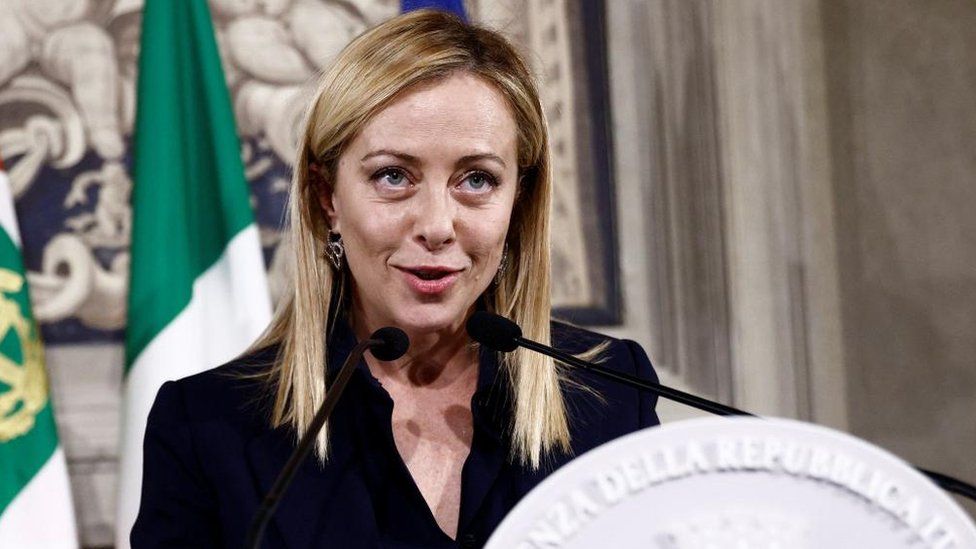
Italian Prime Minister Giorgia Meloni has unveiled plans to introduce tough new measures in the nation's schools, including a legal cap on foreign students per classroom and a ban on face-covering garments like the burqa and niqab. The move, announced Sunday at a youth event, aims to strengthen cultural integration and ensure Italian children do not feel marginalized in their own classrooms, emphasizing the importance of learning Italian language and respecting national rules for newcomers. These proposals are the latest in Meloni's right-wing government's broader push on migration and integration, surfacing just ahead of next year's general election. While a 2010 guideline already recommended a 30% limit on foreign students in classes, it was rarely enforced; the new legislation seeks to give this cap legal force, applying mostly to non-EU students with limited Italian skills. Critics, including educators and migrant advocates, are already voicing concerns, arguing the measures could create new barriers for integration rather than fostering it, and raise potential constitutional questions. The proposed legislation will first go before Italy's Council of Ministers for approval, then require parliamentary backing within 60 days to become law. The exact numerical cap for foreign students per class has not yet been specified by Meloni, though Education Minister Giuseppe Valditara indicated it would target non-EU students lacking Italian proficiency. The debate highlights the ongoing tensions in Italy between national identity, educational access, and the challenges of integrating a growing immigrant population.