Meloni's Italy Unveils School Veil Ban, Foreign Student Caps: Integration Debate Heats Up
Context mode is active. Hover over any highlighted term to see its definition. Click a nested term to go deeper.
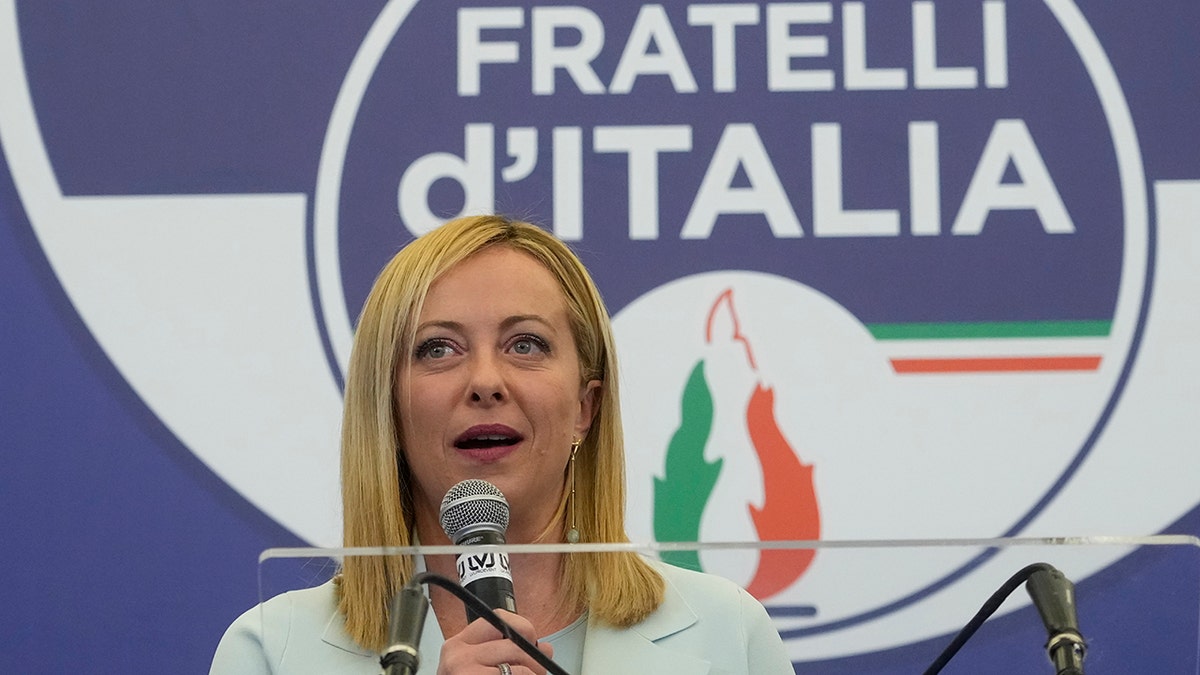
Italian Prime Minister Giorgia Meloni just dropped a bombshell, announcing plans to ban the burqa and niqab in Italian schools while simultaneously introducing a legal cap on foreign students per classroom. Unveiled at her Brothers of Italy party's youth festival, the move also mandates Italian language lessons for parents whose children struggle with school integration, framing these measures as crucial for national identity, effective integration, and non-negotiable gender equality. This isn't just talk; a government measure is expected to hit the Council of Ministers soon, pushing these controversial proposals closer to becoming law. These proposals come as Italy, a key entry point for migrants into Europe, grapples with changing demographics in its schools. While a non-binding guideline from 2010 already suggested a 30% limit for non-Italian students in classes, it's been largely unenforced; Meloni's government aims to solidify this with legal force. Meloni's administration, now Italy's longest-serving since World War II, is doubling down on hard-line policies as it looks to consolidate support ahead of next year's general election, facing both domestic and international scrutiny over human rights and integration debates. The path to implementation won't be smooth. The proposed legislation needs parliamentary approval within 60 days after passing the Council of Ministers, and it's already sparking criticism from educators and migrant advocates who warn of potential stigmatization and practical difficulties. With nearly 11.6% of Italy's student population holding non-Italian citizenship, this policy cluster will profoundly reshape the educational landscape and intensify the national conversation around cultural assimilation, religious freedom, and civic belonging.