Melrose Air Force Range Adopts Drone Tech for Prescribed Burns, Boosting Safety and Efficiency
Context mode is active. Hover over any highlighted term to see its definition. Click a nested term to go deeper.
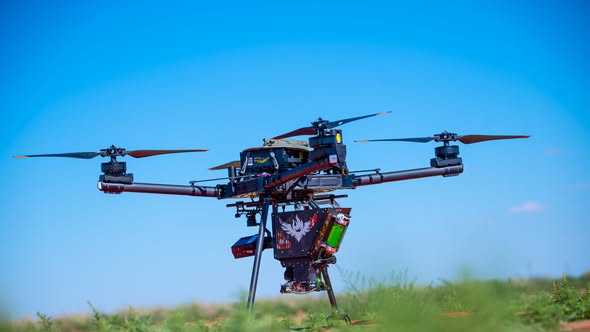
In a significant leap for wildfire management, the Melrose Air Force Range is now actively using advanced drone technology for its prescribed burns, a move poised to dramatically enhance safety and efficiency in managing critical landscapes. This groundbreaking system allows for controlled ignitions from the air, reducing risk to ground crews and enabling more precise operations across difficult terrain. The recent adoption highlights a growing trend within federal agencies to leverage cutting-edge tech in battling escalating wildfire threats across the United States. This shift comes as agencies like the U.S. Forest Service increasingly integrate Uncrewed Aircraft Systems, or UAS, into their fire management strategies, especially following a large-scale prescribed burn of approximately 13,000 acres at Melrose earlier this month. These drones deploy specialized 'ignition spheres' – often called 'dragon eggs' – which are injected with a chemical that ignites on impact, creating controlled fire points in areas previously challenging or dangerous for human crews to reach. The broader context is a national effort to combat the growing frequency and intensity of wildfires, which have resulted in billions of dollars in damage and significant environmental impact. Looking ahead, this pioneering approach at Melrose Air Force Range is expected to influence broader adoption of drone technology for 'fuel management' and wildfire prevention across military installations and public lands nationwide. The continued integration of tools like infrared cameras on these drones for real-time fire monitoring and the potential for autonomous drone swarms suggest a future where technology plays an even more central role in safeguarding ecosystems and communities from devastating blazes. This innovative deployment sets a crucial precedent for how the U.S. will proactively tackle wildfire risks.