Mercedes Still Puzzled by 'Rubbish' High-Speed Pace After Dutch GP Woes
Context mode is active. Hover over any highlighted term to see its definition. Click a nested term to go deeper.
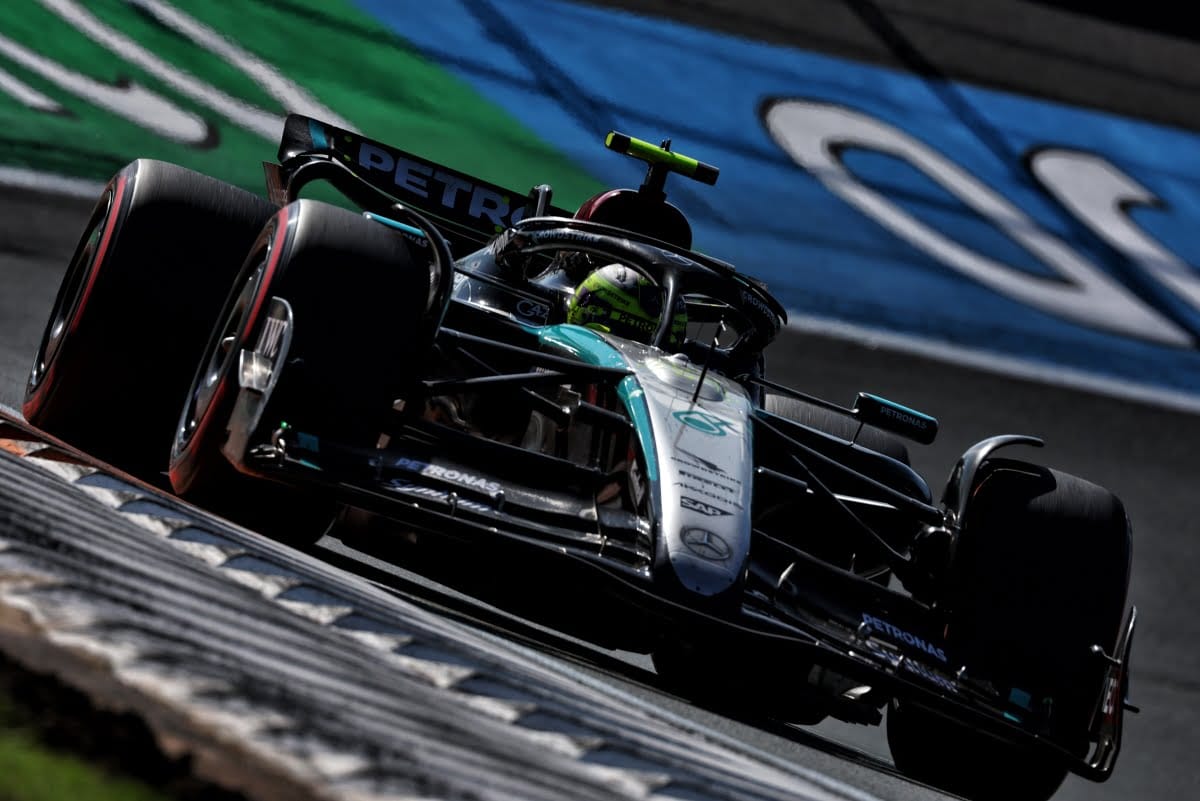
Mercedes' hunt for answers continues after their W17 car struggled notably through high-speed corners at the recent Dutch Grand Prix, a performance trackside engineering director Andrew Shovlin bluntly called 'rubbish.' Despite George Russell securing pole position and victory in the sprint race earlier in the Zandvoort weekend, the team's main race performance suffered a stark drop-off, leaving engineers scratching their heads as they face a persistent inconsistency severely denting their championship aspirations. This baffling inconsistency, oscillating between strong form and a concerning lack of grip in critical high-speed sections, points to deeper correlation issues between the team's advanced simulator data and the car's real-world behavior on track. The Zandvoort circuit, with its unique banked corners and demanding flow, amplified these problems, but similar traits have reportedly hampered Mercedes at other high-aero efficiency tracks this 2026 season. Rival teams like Red Bull Racing and Scuderia Ferrari are consistently demonstrating superior aerodynamic packages, allowing them to capitalize on Mercedes' Achilles' heel and maintain a significant performance edge. The pressure is mounting on Mercedes' technical leadership, including technical director James Allison, to fast-track a definitive solution. Reports suggest a major aerodynamics upgrade package is now the top priority, with a target deployment before a crucial triple-header of races later this season. The coming weeks will be pivotal as Mercedes aims to refine their car's set-up and unlock the consistent downforce needed to rejoin the front-running battle and salvage their 2026 title challenge.