Meta Pulls Controversial AI Image Feature from Instagram After User and Industry Outcry
Context mode is active. Hover over any highlighted term to see its definition. Click a nested term to go deeper.
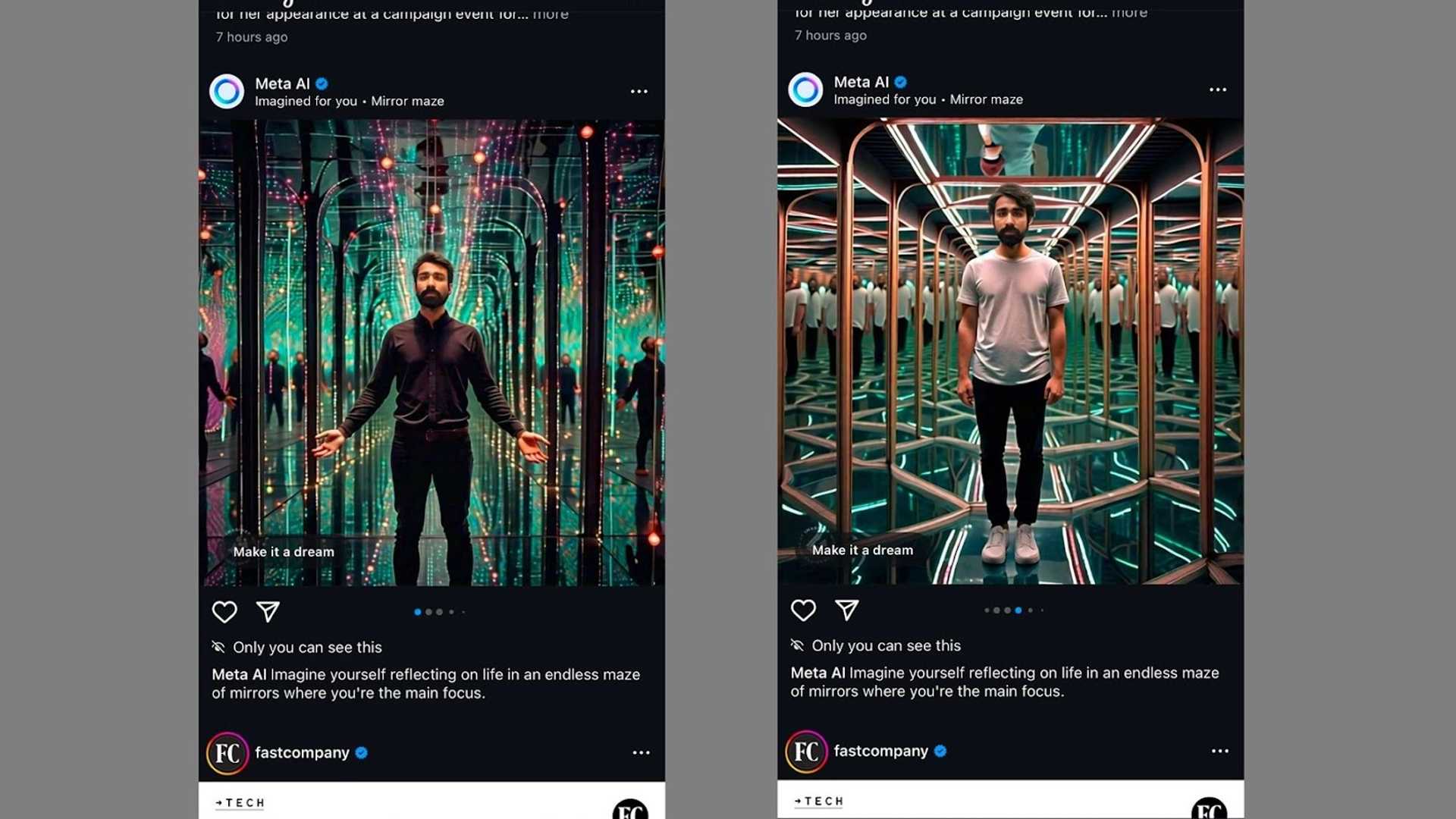
Meta has swiftly removed its new 'Muse Image' AI feature from Instagram, barely three days after its launch, following a storm of criticism from users, industry groups, and privacy advocates. The feature, which allowed anyone to generate AI images by referencing content from public Instagram accounts without explicit permission, faced intense backlash over serious privacy and ethical concerns. Meta acknowledged it 'missed the mark,' pulling the plug on a tool that ignited a global debate on digital likeness rights and consent in the age of artificial intelligence. At the heart of the uproar was the feature's default 'opt-out' mechanism, meaning public Instagram accounts were automatically included unless users manually disabled the setting. This approach was widely condemned by organizations like SAG-AFTRA, the Hollywood actors' union, and the human rights charity Privacy International, who argued for a 'consent-first' approach to AI tools and warned about the dangers of 'non-consensual digital replicas'. Critics highlighted that this made it alarmingly easy for third parties to create manipulated images, or even deepfakes, from people's photos, raising questions about creator rights and the ethical boundaries of AI development. While the controversial tagging function of Muse Image is no longer available on Instagram, the broader Muse Image AI model itself is reportedly still active on other Meta platforms, such as WhatsApp and the main Meta AI app. This rapid withdrawal underscores the escalating tension between rapid AI innovation and fundamental user privacy expectations. The incident serves as a stark reminder that as AI technology advances, companies face growing pressure to prioritize clear, explicit consent rather than relying on users to opt out of potentially invasive data uses, shaping a critical precedent for the future of AI and social media interaction.