Meta Unlocks Muse AI for DIY Gadgets, Fueling Smart Home Innovation
Context mode is active. Hover over any highlighted term to see its definition. Click a nested term to go deeper.
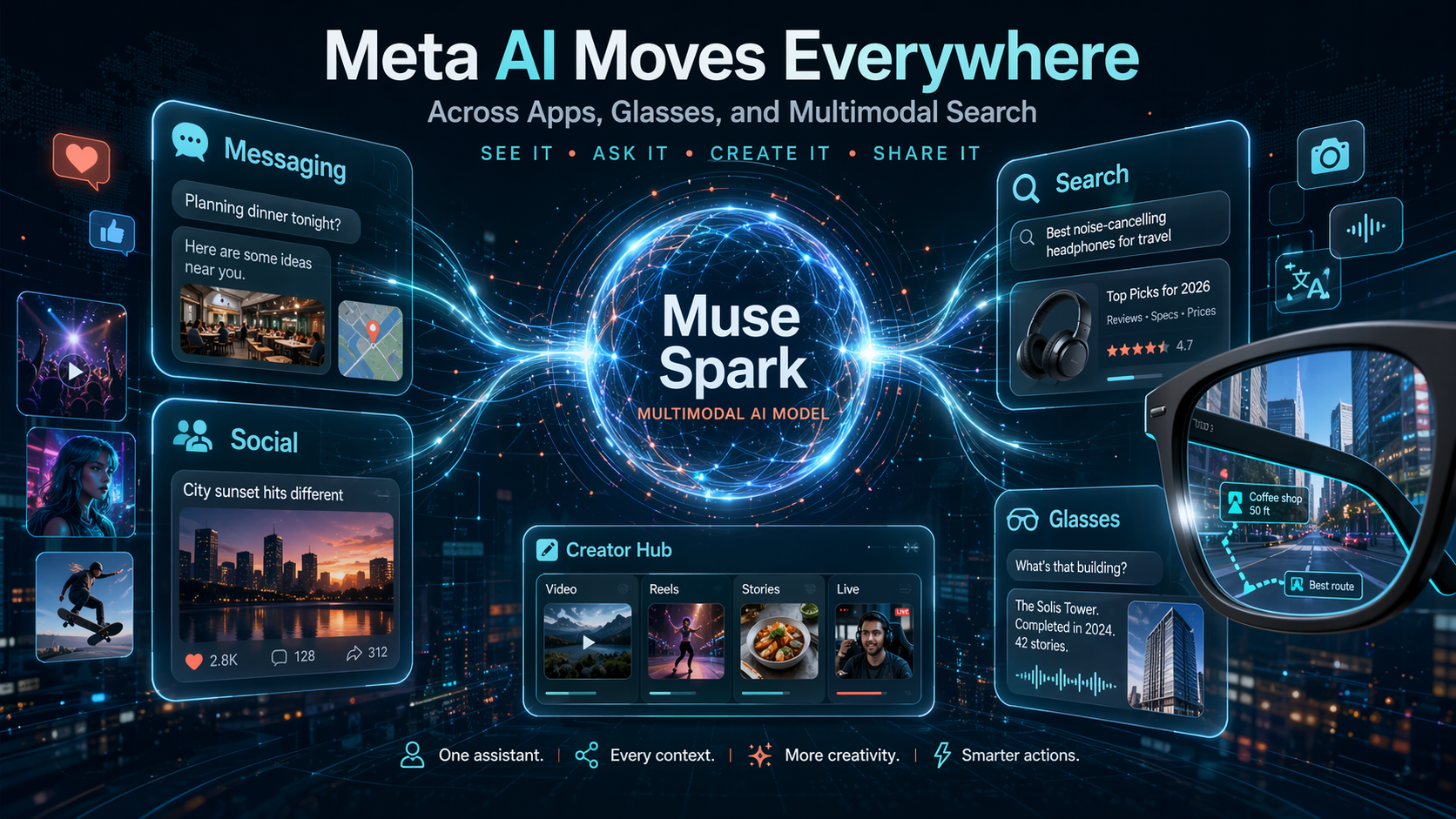
Meta is shaking up the smart home and maker world by open-sourcing its Muse AI platform, enabling developers to build their own AI-powered gadgets using affordable microcontrollers like Raspberry Pi and ESP32 boards. This new 'Muse Gadgets' project offers firmware and a Linux Software Development Kit, allowing tech enthusiasts to create custom devices that connect to Meta personal AI agent. This move could dramatically expand how and where people interact with AI, pushing intelligent capabilities beyond smartphones and into everyday objects around the house. The initiative is a direct play by Meta to embed its Muse AI more deeply into the consumer landscape, challenging established smart home players like Amazon's Alexa and Google Home. To kickstart this, Meta has even manufactured 5,000 'Muse Home Link' USB-C dongles, giving them away free to Muse subscribers to help connect their DIY projects to smart home networks. While the Muse AI agent itself largely operates in the cloud, these open-source tools act as terminals, capturing user input and playing back AI responses through custom hardware, fostering a new wave of personalized AI experiences. Looking ahead, the success of Muse Gadgets will hinge on the creativity and engagement of the developer community. Meta has already suggested projects like E Ink displays for reminders or HDMI dongles for TVs, and has set up a Discord channel for support. This 'proceed at your own risk' approach for hobbyists could lead to innovative new device categories, but also highlights the experimental nature of bringing advanced AI to a fragmented hardware ecosystem, promising a future where AI is truly everywhere you build it.