Meta's Bold AI Future: Zuckerberg Challenges Fears with Optimistic Vision and Billions
Context mode is active. Hover over any highlighted term to see its definition. Click a nested term to go deeper.
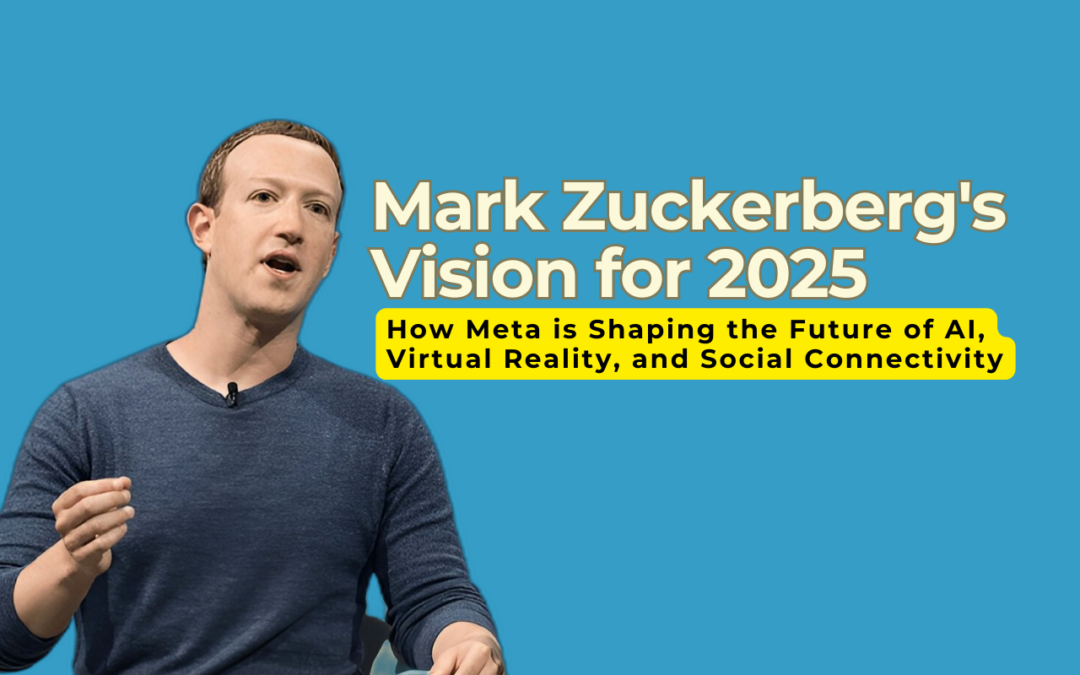
Meta CEO Mark Zuckerberg is pushing back hard against widespread fears about artificial intelligence, rolling out a new film and a major campaign to promote an optimistic vision where AI empowers people, rather than replacing them. This bold move comes as the tech giant doubles down on its AI ambitions, with plans to pour up to $145 billion into AI development and infrastructure by 2026, signaling a massive bet on the technology's future. The campaign's message emphasizes that 'the future is for everyone,' directly contrasting with what Meta calls 'dystopian narratives' about AI potential downsides. This aggressive pivot to optimism is happening amidst a complex landscape for Meta. While Zuckerberg touts a hopeful future, the company has recently undertaken significant internal restructuring, including laying off approximately 8,000 employees and reassigning 7,000 to an 'Agent Transformation' group to speed up AI development, which he admits has been slower than expected. Adding to internal friction, a controversial 'Model Capability Initiative' that involved employee surveillance for AI training was recently suspended. Meta has also launched new AI models, Muse Image and Muse Spark 1.1, offering them through a new Meta Model API with aggressive pricing to snatch market share from rivals. Looking ahead, Meta strategy involves more than just consumer-facing AI. The company is reportedly building 'Meta Compute,' a cloud computing platform to rent its AI infrastructure to other companies, a significant shift that could put it in direct competition with cloud giants like AWS and Azure. However, winning over public opinion remains a challenge, as surveys show a growing number of people view AI as a risk due to concerns about job loss, privacy, and data misuse. Advertisers using Meta existing AI tools have also reported issues, highlighting the bumpy road ahead for the company's ambitious AI transformation.