Meta's New Age Rules: How Big Tech Will Verify Young Users
Context mode is active. Hover over any highlighted term to see its definition. Click a nested term to go deeper.
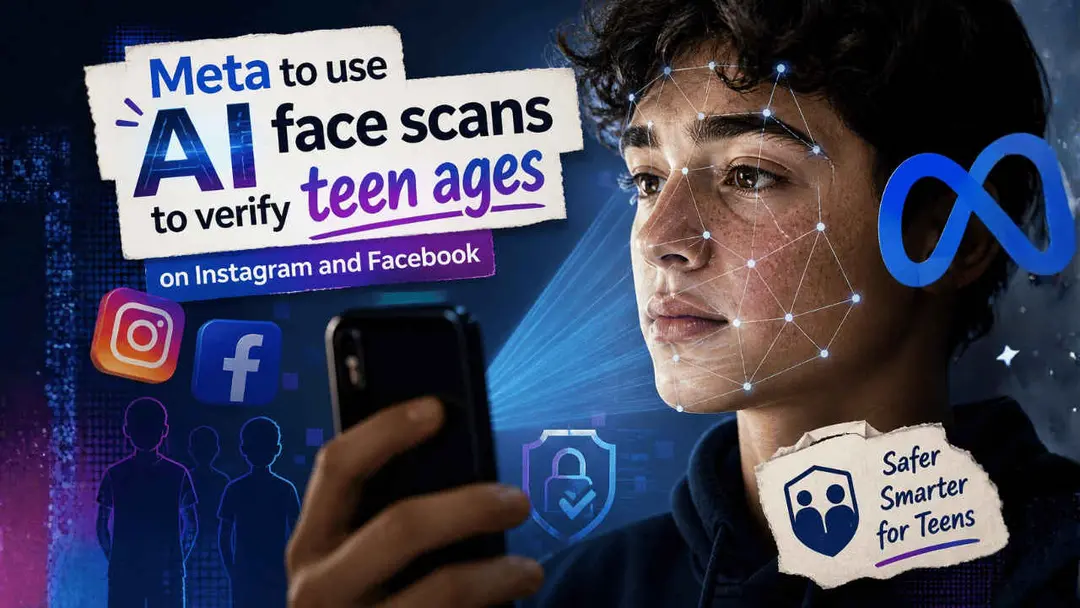
Meta has agreed to a monumental settlement of up to $18 billion with nearly all U.S. states and territories, fundamentally changing how its platforms, Instagram and Facebook, will handle young users. This landmark agreement aims to tackle widespread concerns about youth mental health and online privacy, mandating robust age verification and strict daily time limits for teens. The deal, approved by a federal judge on August 26, 2026, forces Meta to enhance its systems to confirm user ages and enforce age-appropriate online experiences. The stakes are incredibly high, mirroring the historical 'Big Tobacco settlements' as regulators push for greater accountability from tech giants. Meta must implement "enhanced age-assurance measures" within a year for both new and existing users, but the exact methods remain flexible, potentially involving photo identification, AI-powered facial estimation, or analyzing user activity. Crucially, the full financial payout of the settlement is tied to whether competitors like TikTok, Snapchat, and YouTube adopt similar youth safety measures, potentially ushering in industry-wide reforms. Looking ahead, the immediate focus shifts to how Meta will practically implement these stringent age checks and time limits without infringing on user privacy. While the company has already begun using AI visual analysis, critics worry that strict false-positive rate targets might push Meta toward more intrusive methods like requiring photo ID. This settlement also sets a significant precedent for digital regulation globally, with European legislation like the Digital Services Act already prompting similar moves, meaning this shift could soon extend beyond U.S. borders.