Micron Fuels AI Future: $9.3 Billion Japan Expansion Boosts Critical Memory Production
Context mode is active. Hover over any highlighted term to see its definition. Click a nested term to go deeper.
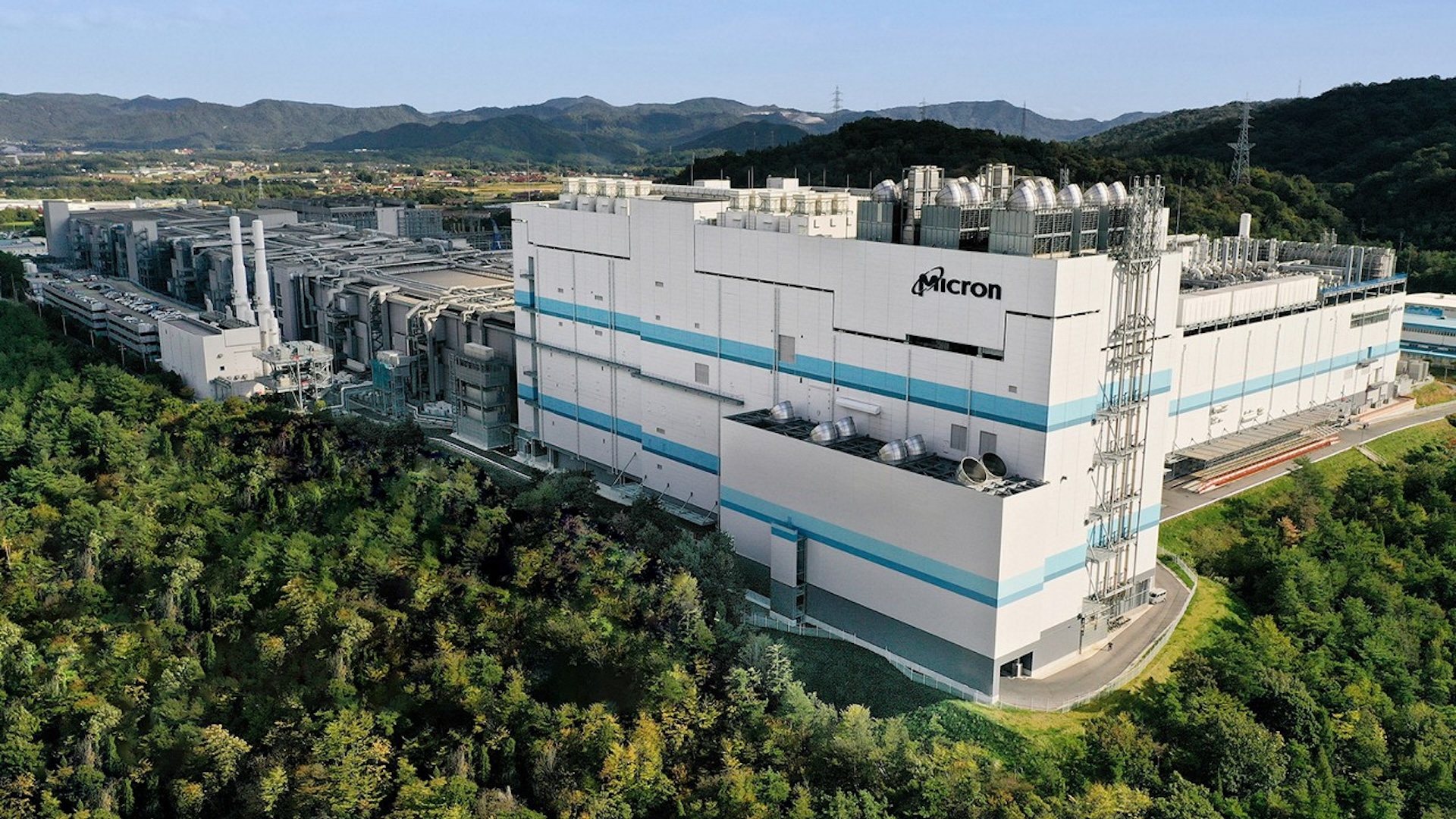
Micron Technology has officially broken ground on a massive $9.3 billion expansion of its factory in Hiroshima, Japan, a crucial move set to supercharge the production of High-Bandwidth Memory (HBM) chips that power the world's most advanced Artificial Intelligence (AI) systems. This isn't just another factory; it's a strategic bet on the exploding AI market, with commercial shipments from the new facility expected by mid-2028. The U.S. memory giant's investment signals a relentless global race to meet the insatiable demand for cutting-edge AI components. This colossal undertaking is happening with significant backing from the Japanese government, which is pouring up to ¥775 billion (around $4.8 billion) in total subsidies and R&D support into Micron's operations, aiming to rebuild its own semiconductor industry and strengthen global supply chains. HBM has become the 'binding constraint' for AI infrastructure, meaning its scarcity directly limits how fast AI technology can grow. Micron itself has admitted it can only meet about half to two-thirds of current HBM orders, with its entire 2026 output already sold out. This highlights the intense competition, with rivals like SK Hynix and Samsung also aggressively expanding their HBM production to keep up. Looking ahead, the Hiroshima expansion is a key piece of Micron's global strategy, complementing other major investments in the U.S. to boost overall DRAM capacity. As the global semiconductor market is projected to hit $1 trillion by 2026, largely fueled by AI, this new facility will play a vital role in easing the current memory bottlenecks. With Japan committed to a long-term roadmap of significant investment in semiconductor and AI through 2041, Micron's move here isn't just about making chips; it's about shaping the future of AI itself.