Microsoft CEO Satya Nadella: How CEOs of some AI companies sent all the wrong message to Americans, hurting everyone
Context mode is active. Hover over any highlighted term to see its definition. Click a nested term to go deeper.
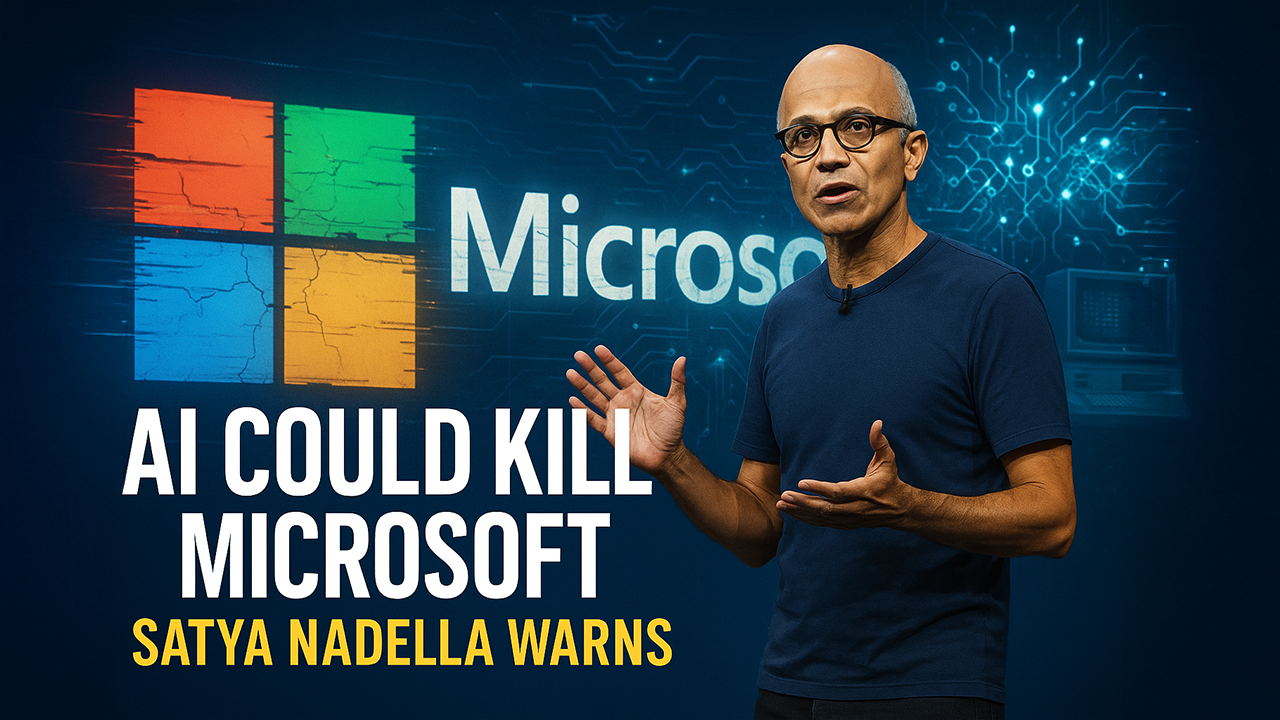
Microsoft CEO Satya Nadella has delivered a sharp rebuke to fellow AI leaders, accusing some of eroding public trust by simultaneously hyping AI's transformative power while fueling fears of widespread job displacement. Speaking on a recent podcast and at the World Economic Forum 2026, Nadella decried this 'socially senseless' contradictory messaging, warning that the industry risks losing its 'social permission' if it fails to demonstrate tangible, real-world benefits. This intervention comes amidst growing public skepticism and a generational backlash from Gen Z against AI's societal impact. Nadella's critique surfaces as the AI industry grapples with a deepening 'narrative clash' between Silicon Valley's top-down optimism and widespread bottom-up anxiety among workers and the public. Recent surveys indicate persistent concerns over job security, with 53% of Americans fearing AI-driven job losses in their households, even as corporate leaders project less drastic impacts. This tension is palpable, with Microsoft President Brad Smith noting that Gen Z's public backlash – including students booing pro-AI commencement speeches – serves as a 'wake-up call' to tech executives who previously championed an 'AI jobs apocalypse'. Indeed, other prominent figures like OpenAI's Sam Altman and Anthropic's Dario Amodei have recently softened their rhetoric, shifting focus to AI as a productivity enhancer rather than a job destroyer. Yet, real-world data from early 2026 reveals AI is now the leading reason cited for over 123,000 tech industry layoffs this year, even as other data suggests a simultaneous rise in software engineering jobs due to increased demand for software output, illustrating a complex and evolving labor market, potentially explained by Jevons' paradox. The imperative for Responsible AI and ethical governance, as championed by Microsoft own extensive frameworks, becomes starkly clear in this environment. The immediate challenge for AI companies is to move beyond abstract promises and deliver concrete, practical applications that clearly enhance human well-being and economic progress, especially given AI's significant energy consumption. Nadella specifically highlighted local benefits, such as data center development, as a pathway to earning community trust. The industry will face increasing pressure to adopt robust AI governance frameworks, ensure transparency, and proactively address biases, with regulators like the EU AI Act already setting precedents for high-risk systems. Whether tech giants can pivot effectively to a narrative of shared prosperity and demonstrate genuine societal value, rather than merely escalating computational power, will determine AI's long-term acceptance and prevent a potential 'AI bubble' of mistrust.