Microsoft Slashes Windows 11 Memory Use as Skyrocketing RAM Prices Bite
Context mode is active. Hover over any highlighted term to see its definition. Click a nested term to go deeper.
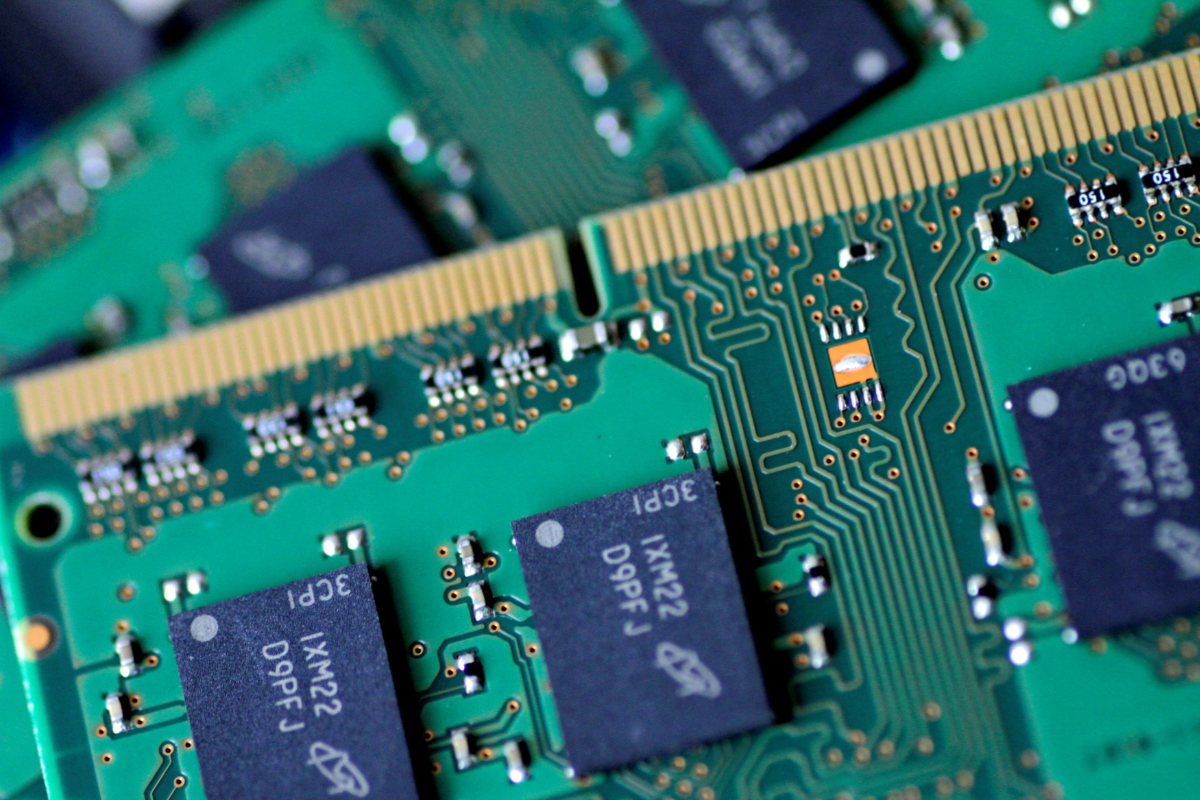
Microsoft has openly admitted that the skyrocketing cost of RAM across the tech industry is the main reason behind its urgent efforts to make Windows 11 use less memory. The company is now prioritizing system optimization to ensure that even lower-end PCs can run smoothly, directly responding to a market where memory components have become exceptionally expensive. This strategic pivot aims to keep Windows 11 accessible and responsive for millions of users facing delayed PC upgrades amid a challenging hardware market. The confession comes as the global PC market grapples with unprecedented memory price surges, largely fueled by the insatiable demand for high-bandwidth memory (HBM) from AI data centers. Analysts like Gartner projected a staggering 130% jump in combined DRAM and SSD prices by the end of 2026, leading to a significant 17% increase in PC prices and a sharp 10.4% decline in global PC shipments. Microsoft Corporate Vice President for Windows Experience, Pavan Davuluri, had already highlighted memory efficiency as a top priority in May 2026, leading to recent Windows 11 updates claiming up to 20% better responsiveness, particularly for systems with 8GB of RAM through smarter background memory management and deferred loading of features like Widgets. However, some independent reports suggest the promised improvements might not be uniformly felt on all 8GB machines. Looking ahead, Microsoft focus on optimizing core operating system components like File Explorer, Widgets, WinUI 3, and WebView2 will continue, with further updates expected to roll out broadly. The ongoing memory shortage, which industry experts predict could last until at least 2028, means this optimization push isn't just a temporary fix but a long-term strategic shift for Microsoft. Consumers should monitor future Windows 11 updates for tangible performance gains, while the broader tech industry watches how this persistent pricing pressure reshapes hardware specifications and PC upgrade cycles.