Microsoft's Trillion-Dollar AI Bet: Tripling Data Centers to Power Future Growth
Context mode is active. Hover over any highlighted term to see its definition. Click a nested term to go deeper.
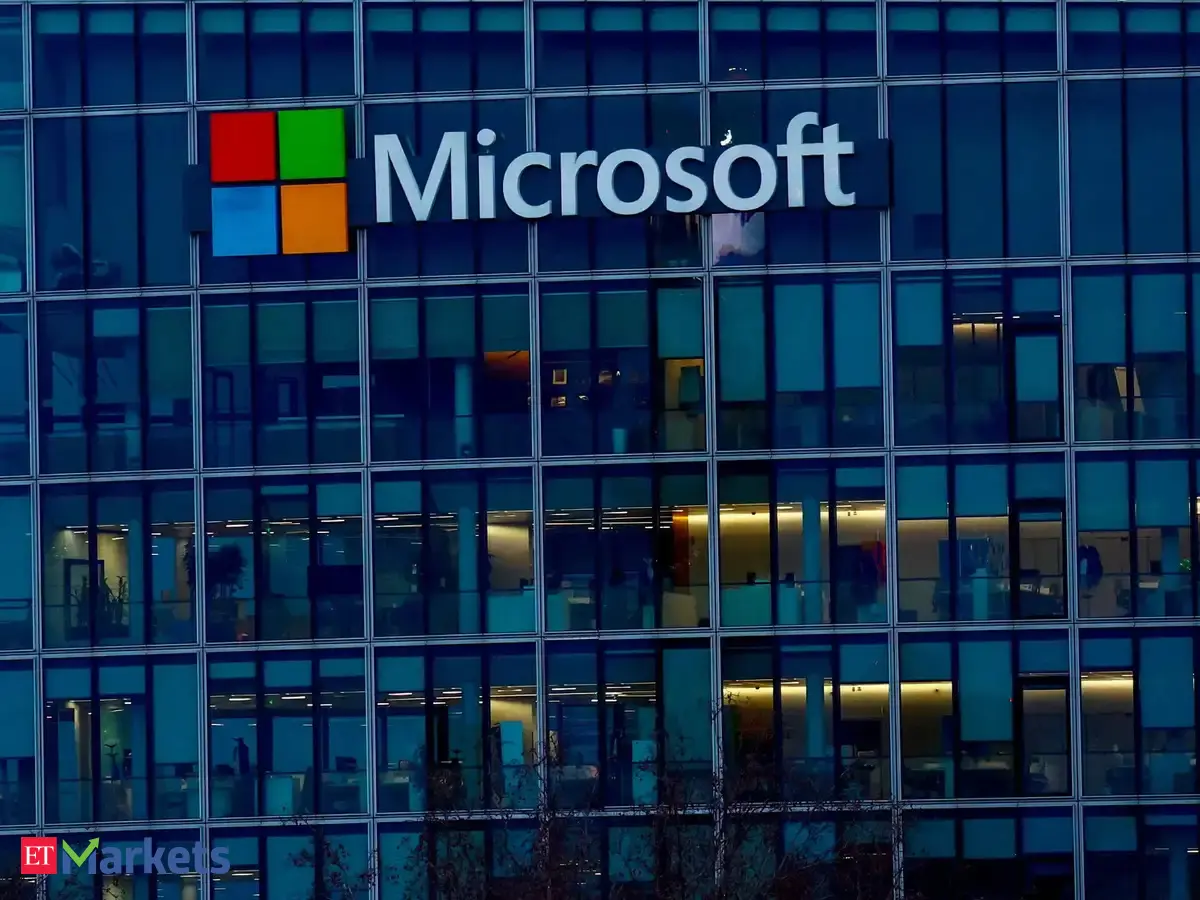
Microsoft is embarking on a colossal expansion, planning to more than triple its global data center capacity to over 38 gigawatts by 2032. This audacious move comes as the tech giant battles an intense computing shortage that has reportedly forced it to turn away some AI and cloud business, underscoring the urgent demand for next-generation digital infrastructure. The company's current capacity sits at around 12 GW, with only about 2 GW specifically for AI workloads, a figure slated to dramatically increase to roughly one-third of the expanded total. This massive infrastructure push is Microsoft direct response to the insatiable appetite for artificial intelligence and cloud services, with Azure growth accelerating to 43% in Q4 FY2026 and guided for 45% in Q1 FY2027. The company's robust $678 billion commercial remaining performance obligation, essentially a backlog of signed commitments, signals strong future revenue, even as capital expenditures for calendar 2026 are projected to be a staggering $175 billion. While investors are keenly watching whether this heavy spending translates into durable returns, the underlying message is clear: the AI race is heating up, and Microsoft, alongside rivals like Amazon Web Services and Google Cloud, is pouring trillions into building the computational backbone for the future. Looking ahead, the sheer scale of this buildout highlights critical challenges, including securing vast amounts of reliable power and managing complex supply chains amidst increasing demand for specialized chips. Microsoft is actively addressing these by incorporating custom silicon like Maia 200 and Cobalt 200 to boost efficiency, aiming to optimize performance per dollar. The coming years will reveal whether this aggressive investment strategy allows Microsoft to maintain its competitive edge and effectively convert its burgeoning backlog into sustained, profitable growth, or if it faces the risk of overbuilding in a rapidly evolving market.