Milvexian Falls Short in Heart Attack Trial, but Safety Profile Offers Hope
Context mode is active. Hover over any highlighted term to see its definition. Click a nested term to go deeper.
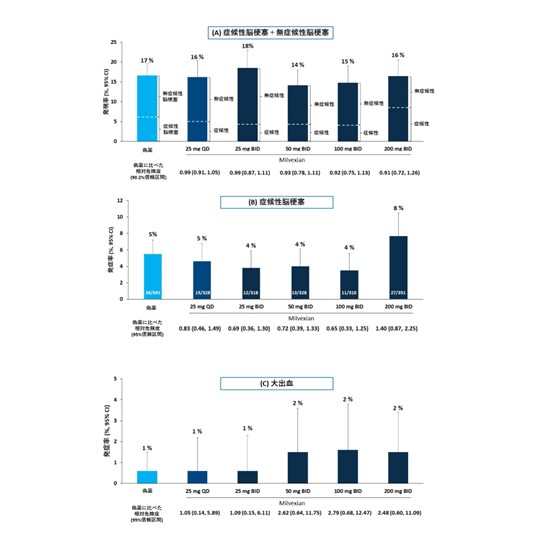
A highly anticipated new drug, milvexian, developed by Bristol Myers Squibb and Janssen Pharmaceuticals, has unfortunately failed to reduce major adverse cardiovascular events (MACE) in patients who recently suffered an Acute Coronary Syndrome (ACS). This significant setback for the Factor XIa inhibitor was announced today at the European Society of Cardiology (ESC) Congress 2026, with findings also published in the New England Journal of Medicine. The LIBREXIA ACS trial, which was designed to test milvexian alongside standard antiplatelet therapy, was actually halted early in November 2025 because it was unlikely to meet its main goal. This news is a blow to the hope for a new generation of anticoagulants that could prevent dangerous blood clots without the high risk of serious bleeding, especially in the brain. Factor XIa inhibitor like milvexian were specifically designed to target a different part of the blood clotting process, aiming to 'decouple' or separate harmful clot formation (thrombosis) from the body's essential process of stopping bleeding (hemostasis). While milvexian did not improve patient outcomes by reducing MACE, the good news is that it also did not increase the risk of intracranial or fatal bleeding, a major concern with many existing clot-preventing medications. Despite the disappointing results for the LIBREXIA ACS trial, the development journey for milvexian isn't entirely over. Bristol Myers Squibb and Janssen Pharmaceuticals are still continuing with two other large Phase 3 trials: LIBREXIA AF, which is testing milvexian for preventing stroke in patients with atrial fibrillation, and LIBREXIA STROKE, for preventing a second stroke in patients who have already had one. The fact that milvexian showed no increased bleeding risk in the ACS trial offers some reassurance for these ongoing studies, with data from these trials expected later this year.