Modi Inaugurates Stormy Monsoon Session as Key Bills and Protests Clash
Context mode is active. Hover over any highlighted term to see its definition. Click a nested term to go deeper.
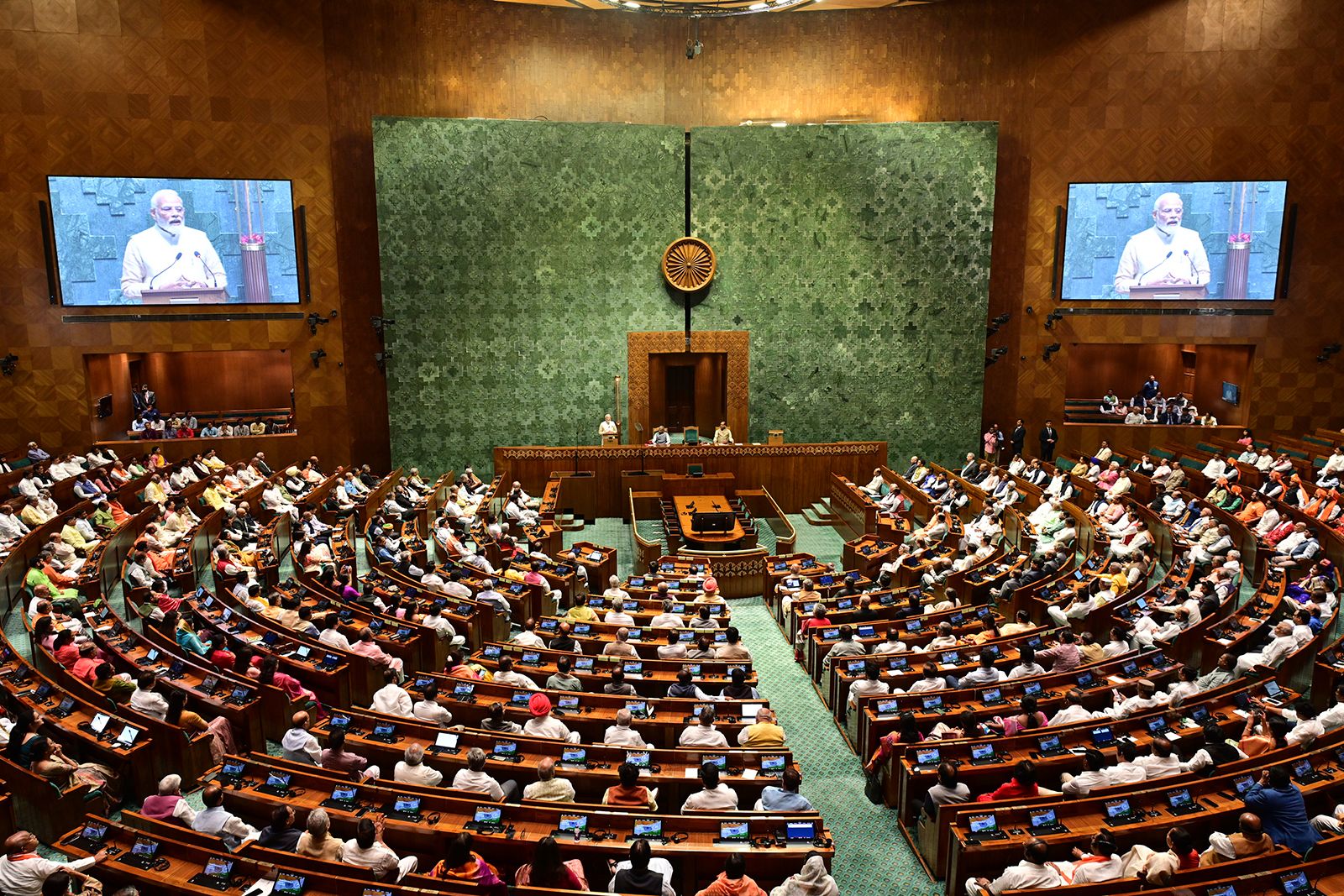
Prime Minister Narendra Modi today opened the Monsoon Session of Parliament, urging lawmakers to engage in productive and constructive debate, but the proceedings swiftly descended into chaos as the opposition launched fierce protests over the alleged NEET-UG 2026 paper leak and the Ayodhya temple trust controversy. The session, scheduled until August 13, kicked off with immediate adjournments in both Lok Sabha and Rajya Sabha, setting a confrontational tone for the coming weeks. The government's ambitious legislative agenda includes crucial reforms like the Income-tax (Amendment) Bill, 2026, aimed at bolstering foreign investment, and the Supreme Court (Number of Judges) Amendment Bill, 2026, seeking to expand judicial capacity. These bills, alongside reforms for Micro, Small and Medium Enterprises (MSME) and changes to foreign contribution regulations, are central to India's drive for economic growth and streamlined governance amidst global uncertainties, including ongoing West Asia conflicts. However, the opposition, spearheaded by the emerging youth-led Cockroach Janta Party (CJP), is demanding immediate discussions on the examination scandal and the alleged financial irregularities concerning the Shri Ram Janmabhoomi Teerth Kshetra Trust, pushing for accountability. With 28 bills currently pending, including the contentious Viksit Bharat Shiksha Adhishthan Bill, 2025, the government faces a tough challenge to steer legislative business through the stormy session. The coming days will reveal whether calls for constructive dialogue can overcome the political heat generated by nationwide protests and opposition demands, or if continued disruptions will overshadow critical policy discussions impacting India's judicial, economic, and social landscape.