Modi's Australia Visit Boosts Critical Mineral Ties for India's Green Future
Context mode is active. Hover over any highlighted term to see its definition. Click a nested term to go deeper.
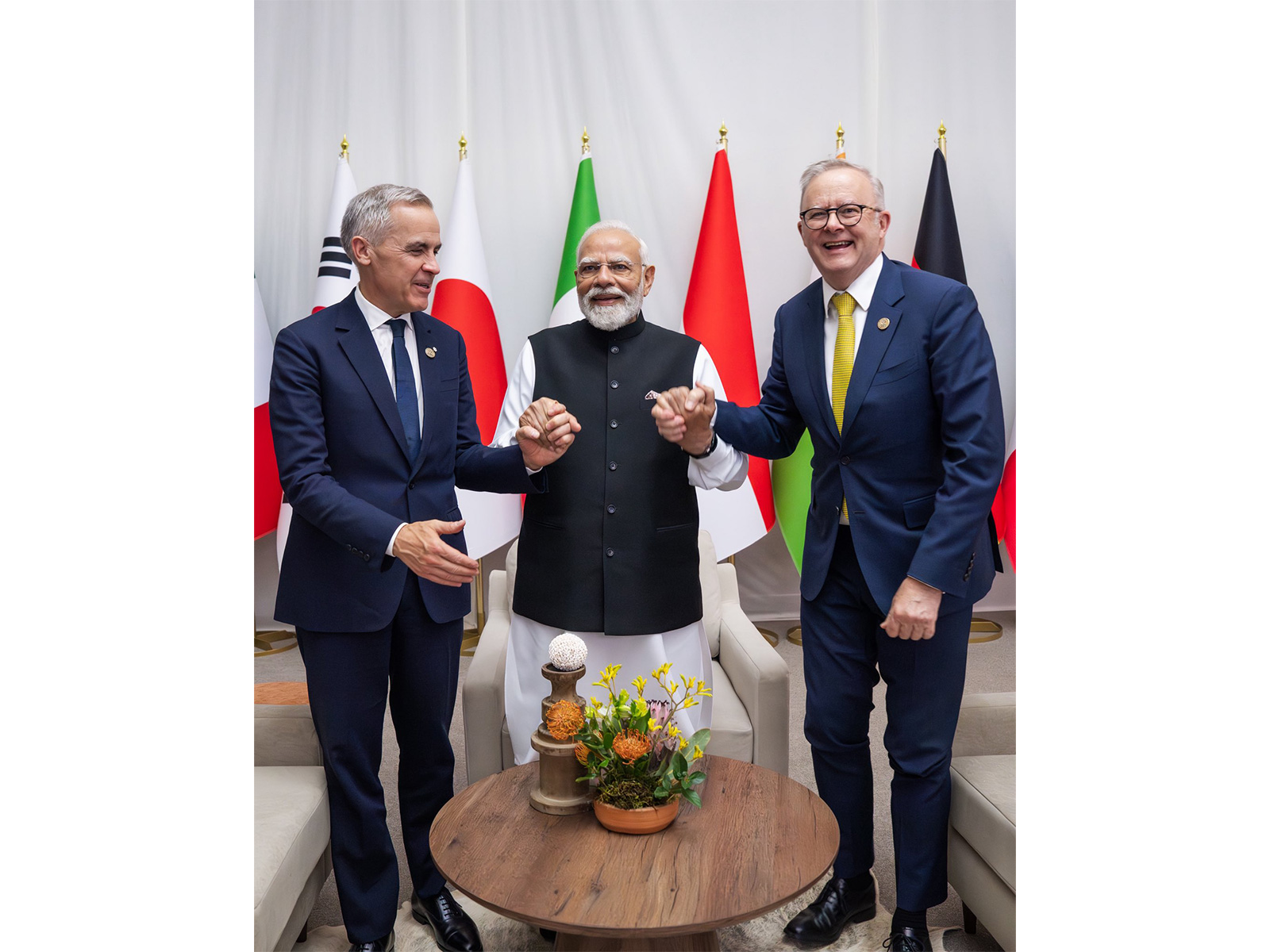
Prime Minister Narendra Modi ongoing visit to Australia is shining a bright spotlight on critical minerals, with reports suggesting these essential resources are now a cornerstone of India long-term economic strategy. A recent analysis by Rubix Data Sciences, released just before the visit, highlights that cooperation on critical minerals is set to become a major new pillar in the bilateral relationship, fueling India ambitious plans for electric vehicles, semiconductors, and clean energy technologies. This intensified focus builds on the existing India-Australia Economic Cooperation and Trade Agreement (ECTA), which has already smoothed trade flows and created a favorable environment for such strategic partnerships. Australia, with its vast reserves of 21 out of 49 critical minerals identified by India, including key elements like lithium, cobalt, and rare earth elements, is a natural and crucial partner. The global scramble for these minerals is intense, driven by geopolitical competition and a push for 'Supply Chain Resilience', notably seen in the Quad Critical Minerals Initiative, launched in May 2026, where India, Australia, Japan, and the US pledged up to $20 billion to secure these vital resources. Looking ahead, India National Critical Mineral Mission (NCMM), established in January 2025 with significant funding, aims to bolster domestic production, processing, and global acquisition of these minerals, aligning perfectly with Australia own $1.2 billion Critical Minerals Strategic Reserve, announced in January 2026. Discussions during Prime Minister Modi's visit with his counterpart Anthony Albanese are expected to further cement investment partnerships and joint ventures, charting a course for robust and diversified supply chains crucial for both nations' economic security and technological autonomy in the coming decades.