Moon Bases: The Bold Push to Recycle, Reuse, and Live Off Lunar Resources
Context mode is active. Hover over any highlighted term to see its definition. Click a nested term to go deeper.
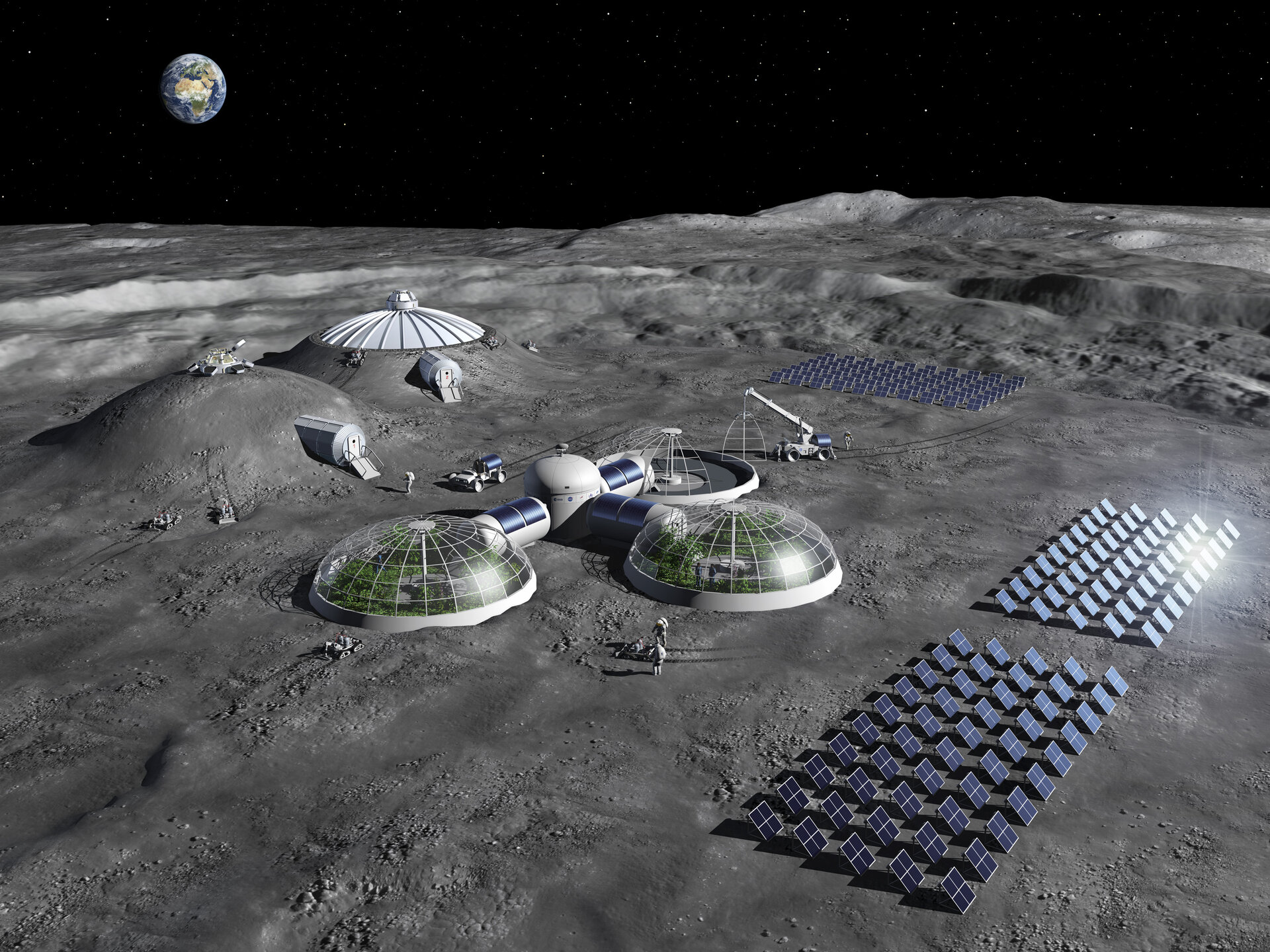
NASA is accelerating its Moon Base Program with ambitious plans unveiled in May 2026, pushing towards a 'sustained human presence' on the lunar South Pole by 2032. This isn't just about planting flags; it's a critical, urgent pivot towards self-sufficiency, demanding that future lunar outpost drastically reduce their reliance on Earth by embracing advanced recycling and local resource extraction. The agency recently awarded hundreds of millions in contracts to private companies like Blue Origin, Astrolab, Lunar Outpost, and Firefly Aerospace to deliver essential hardware, including landers, rovers, and even drones, setting the stage for permanent infrastructure. The stakes couldn't be higher, as the harsh lunar environment — with its extreme temperatures, pervasive lunar dust, and dangerous radiation — makes traditional resupply from Earth prohibitively expensive and impractical for long-term stays. This means pioneering In-Situ Resource Utilization (ISRU) to extract vital elements like oxygen and water ice from lunar regolith is paramount. Concurrently, space agencies are pouring resources into developing closed-loop systems for air and water, with ESA MELiSSA project and NASA new wastewater recycling systems aiming for near-100% efficiency, even recovering nutrients for hydroponic gardens. Innovation extends to 3D printing with recycled metal scrap and lunar dust, alongside experimental waste-to-fuel technologies, all designed to minimize waste and maximize every available resource. Looking ahead, the development of a robust cislunar economy hinges on these sustainable practices, with the Lunar Gateway serving as a crucial orbital staging post for missions. As private companies like Interlune scout for valuable lunar resources such as helium-3, the focus shifts to establishing a permanent off-world infrastructure that can support not just scientific research, but also future industrial hubs and even Mars expeditions. The next few years will see critical missions testing these groundbreaking technologies, aiming to transform humanity's presence in space from fleeting visits to a truly enduring extraterrestrial civilization.