Mountain vs machine: After 17 yrs, India’s longest tunnel ready in MP’s Katni
Context mode is active. Hover over any highlighted term to see its definition. Click a nested term to go deeper.
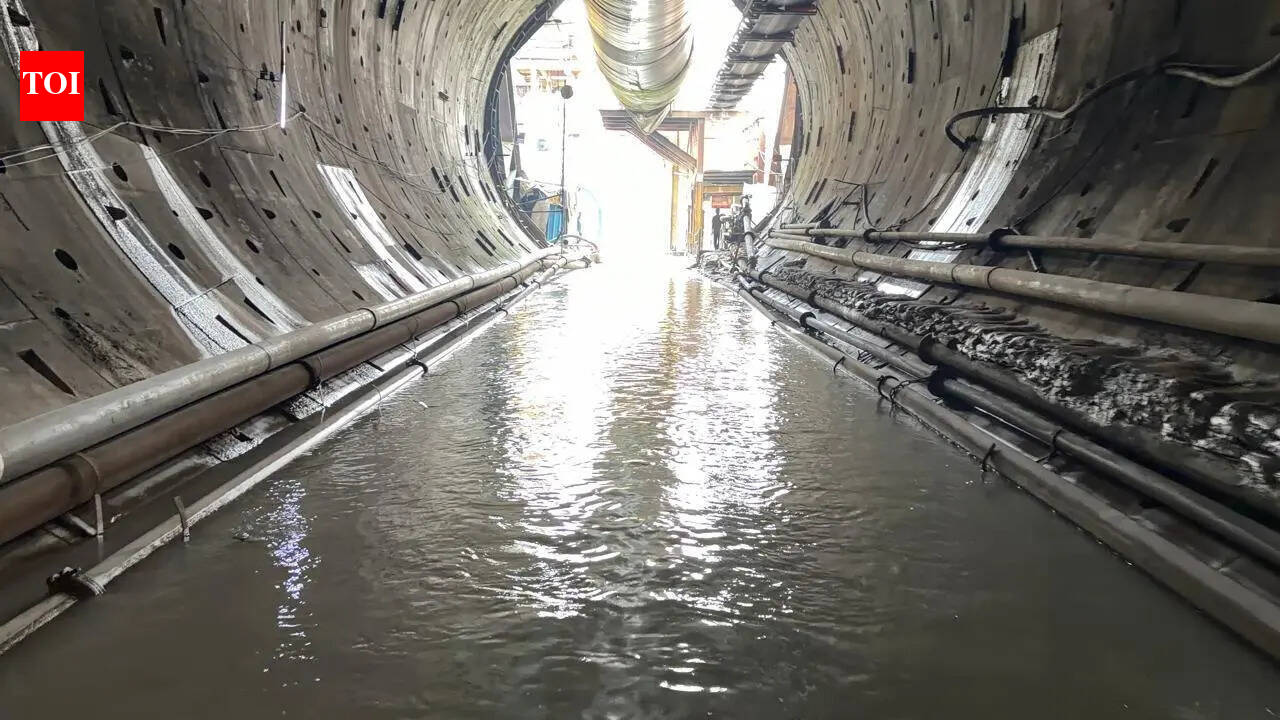
After a grueling 17-year construction saga fraught with deadly accidents and formidable geological challenges, India's longest irrigation tunnel in Sleemanabad, Katni district, Madhya Pradesh, is finally nearing completion. With just 92 meters of excavation remaining as of June 10, 2026, the 11.95-kilometer Sleemanabad Tunnel is poised to realize a centuries-old mythological dream by channeling Narmada waters into the Son basin, promising to transform the agrarian landscape of five drought-prone districts. This mega-project, a critical component of the broader Bargi Diversion Project, has battled layers of marble, limestone, dolomite, slate, and hidden underground cavities that repeatedly crippled advanced Tunnel Boring Machine. Initially budgeted at Rs 799 crore, the cost has surged significantly, reflecting the sheer engineering improvisation required to overcome what engineers described as one of the toughest geological puzzles. Its operationalization is set to provide irrigation to approximately 184,000 hectares of land across nearly 1,450 villages in regions like Katni, Satna, Maihar, Rewa, and Panna, also addressing critical drinking water needs. The Narmada Valley Development Authority (NVDA) and its key contractor, Patel Engineering, are pushing for a completion by month-end, with a formal inauguration likely in August or September 2026 by Prime Minister Narendra Modi and Chief Minister Mohan Yadav, following the removal of heavy machinery. The project's success is a testament to perseverance against extreme odds and is expected to be a major talking point in regional politics, symbolizing a significant leap in India's water infrastructure development and regional economic upliftment. Its long-term impact on agricultural productivity and water security in Central India will be closely watched.