Mourners bury 6-month-old Ebola victim in Congo outbreak's 3rd orphanage death, World News - AsiaOne
Context mode is active. Hover over any highlighted term to see its definition. Click a nested term to go deeper.
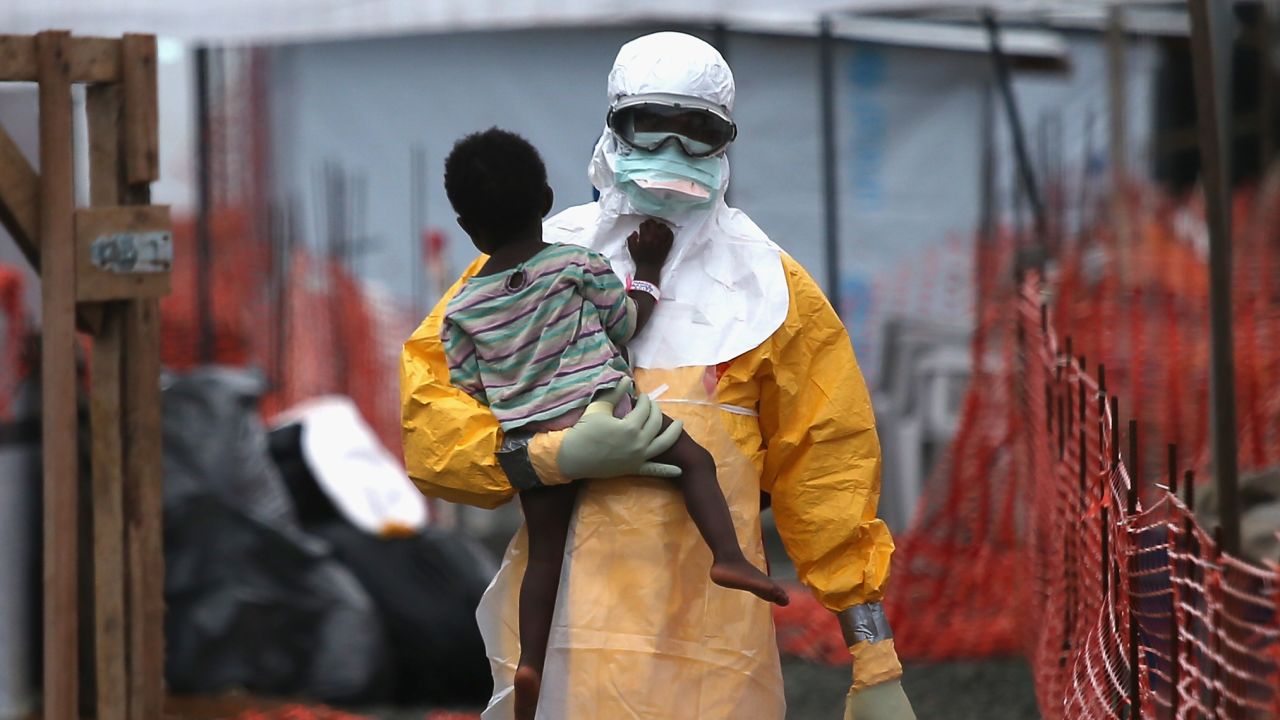
In a harrowing development, eastern Democratic Republic of Congo is grappling with a rapidly escalating Ebola outbreak, marked by the tragic burial of a six-month-old girl, the third child from a single orphanage to succumb this week. This latest fatality underscores the devastating toll on the region's most vulnerable, with children facing a significantly higher mortality rate from the Bundibugyo ebolavirus, a strain for which no approved vaccine or specific treatment currently exists. The current outbreak, the 17th in the DRC's history, has seen 915 confirmed cases and 234 deaths across the DRC and neighboring Uganda as of mid-June 2026, posing an immense challenge to global health efforts. The crisis is unfolding amidst a volatile backdrop of ongoing armed conflict and profound insecurity, particularly in the outbreak's epicenter, Ituri Province, and spreading into North Kivu and South Kivu. These deeply entrenched conflicts, involving groups like the M23, severely impede humanitarian access, displace populations, and fuel community mistrust, often leading to attacks on health workers and vital containment efforts. The World Health Organization has declared this a Public Health Emergency of International Concern, highlighting how strained healthcare infrastructure, coupled with misinformation and a lack of effective therapeutics for this specific Ebola strain, creates a perfect storm for rapid disease transmission. As UN agencies, Médecins Sans Frontières, and local health authorities race against time, their immediate focus is on expanding isolation and treatment capacities, bolstering surveillance, and intensifying community engagement to build trust and ensure safe burials. Clinical trials for promising new medicines are anticipated, offering a glimmer of hope, but urgent funding appeals are critical to sustaining the response. The overarching challenge remains an integrated approach that addresses not only the immediate health emergency but also the underlying humanitarian crisis and pervasive insecurity to break the cycle of outbreaks in this conflict-ravaged region.