MP OBC Quota: Jabalpur High Court Fast-Tracks Hearings, 10,000 Jobs Stuck
Context mode is active. Hover over any highlighted term to see its definition. Click a nested term to go deeper.
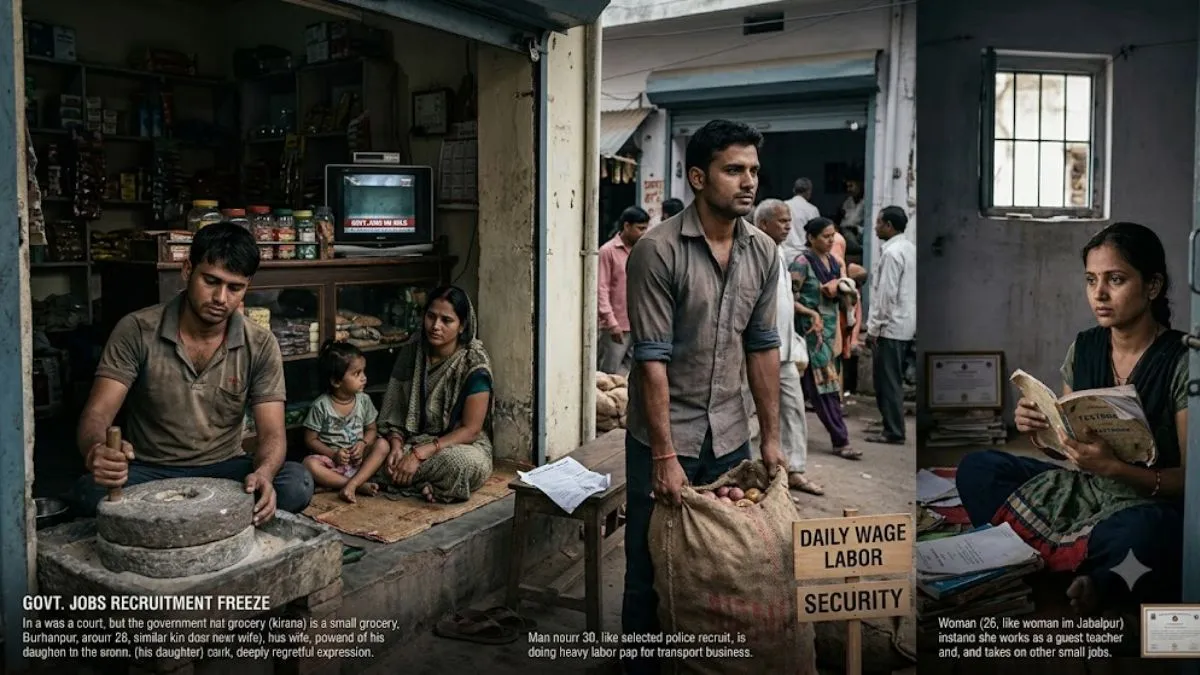
The long-standing OBC Quota Row in Madhya Pradesh has reached a critical juncture, with the Jabalpur High Court commencing urgent, day-to-day hearings since July 15, 2026, to resolve the contentious 27% reservation issue. This accelerated judicial push comes as nearly 10,000 government jobs remain in limbo, leaving thousands of hopeful candidates in agonizing uncertainty due to the '87-13 formula' currently in place. Meanwhile, the OBC Mahasabha staged a 'Vidhan Sabha Gherao' in Bhopal today, demanding immediate implementation of the full 27% quota, met with police action as they attempted to march towards the State Assembly during its Monsoon Session. The dispute revolves around the state's move in 2019 to increase reservation for Other Backward Classes from 14% to 27%, pushing the total quota beyond the Supreme Court's crucial '50% Ceiling Rule' established in the landmark Indra Sawhney Judgement. This legal challenge has forced Madhya Pradesh's recruitment agencies to adopt the '87-13 formula,' where appointments for 13% of posts are put on hold awaiting judicial clarity, severely impacting the lives of aspirants, some of whom quit private jobs expecting government service. The Supreme Court, on February 19, 2026, directed the Jabalpur High Court to fast-track these hearings within 90 days, recognizing the sensitivity and prolonged delays. This puts significant pressure on Chief Minister Mohan Yadav BJP Government, which has previously benefited from the ambiguity, as any clear verdict will have major political ramifications. With daily hearings now underway in Courtroom No. 13 and strict instructions against adjournments, the legal battle is expected to culminate soon, potentially within weeks. Job aspirants, many of whom have waited years, are keenly watching for a definitive ruling that could unfreeze recruitment processes and finally bring an end to their prolonged ordeal. However, given the deep political and social divisions around reservation, the High Court's verdict is unlikely to be the final word, setting the stage for further appeals and continued public discourse on social justice and constitutional limits.