Mumbai's Manori Desalination Plant to Boost Water Supply, But Tariffs May Rise
Context mode is active. Hover over any highlighted term to see its definition. Click a nested term to go deeper.
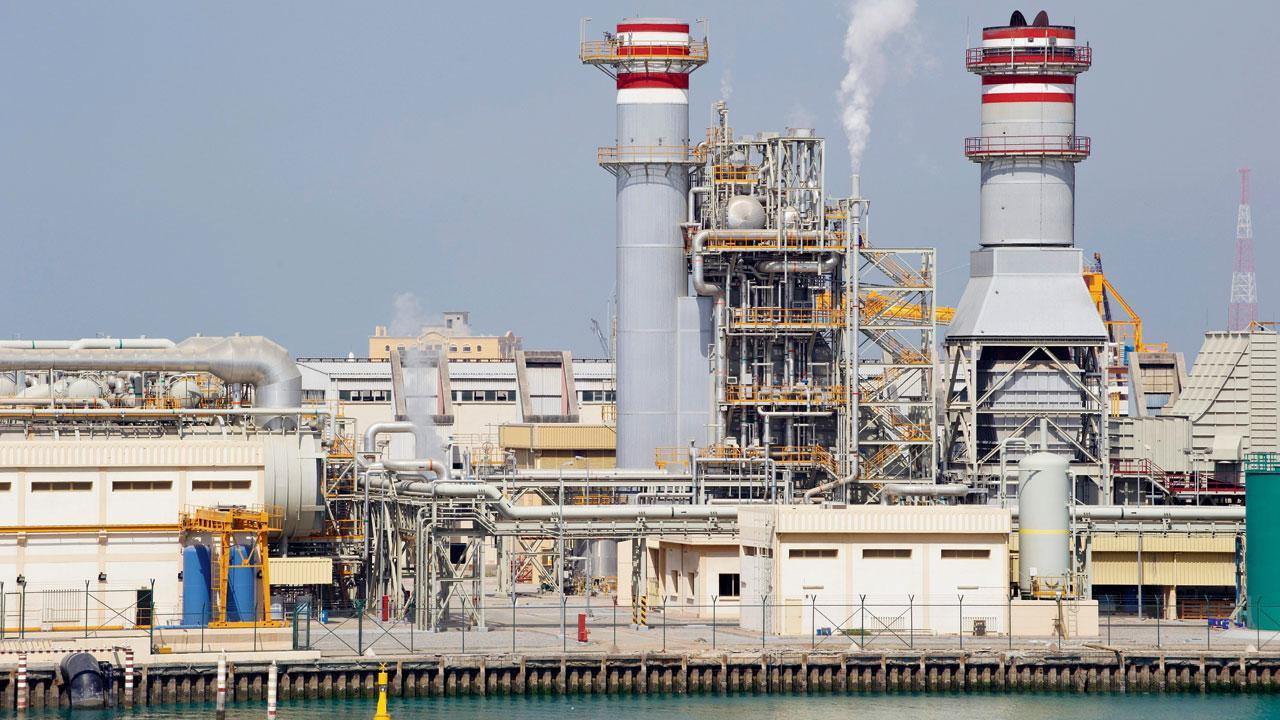
Mumbai is set to receive a significant boost to its drinking water supply within the next four years as the Brihanmumbai Municipal Corporation (BMC) pushes to complete the Manori desalination plant. This ambitious project, announced by the Maharashtra government in the Legislative Assembly, aims to add 200 Million Litres per Day (MLD) of potable water, directly addressing the city's critical Water Demand and Supply Gap. While offering a much-needed alternative to monsoon-dependent reservoirs, Mumbaikars should prepare for a minor hike in their Water Tariff, estimated at around 15-17 paise per litre. The move comes as Mumbai grapples with an acute water crisis, with daily demand of 4,665 MLD far outstripping the current supply of 4,100 MLD, leaving a substantial shortfall of 565 MLD. The Rs 11,166.17 crore project, featuring Seawater Reverse Osmosis (SWRO) technology, is being executed by a consortium including GVPR Engineers Limited and Israel's IDE Technologies, with a work order issued in December 2025. Key approvals from the BMC and Central Railway are in place, and the project has also secured online clearance from the Maharashtra Coastal Zone Management Authority (MCZMA), now awaiting the final go-ahead from the Ministry of Environment, Forest and Climate Change (MoEFCC). Looking ahead, the Manori Desalination Project is expected to be operational by 2029, with provisions to double its capacity to 400 MLD in the future. Environmental concerns, particularly regarding Brine Discharge, have been addressed, with assurances from BMC and IDE Technologies that advanced tunneling techniques for intake and outfall pipes, along with brine dilution, will minimize impact on marine life. This project, alongside others like the Gargai Dam Project, signifies a crucial shift in Mumbai's long-term water security strategy, aiming to reduce reliance on erratic monsoon patterns and aging infrastructure.