Music And Museum Visits Act Like Exercise And May Slow Ageing By 4%, Study Finds
Context mode is active. Hover over any highlighted term to see its definition. Click a nested term to go deeper.
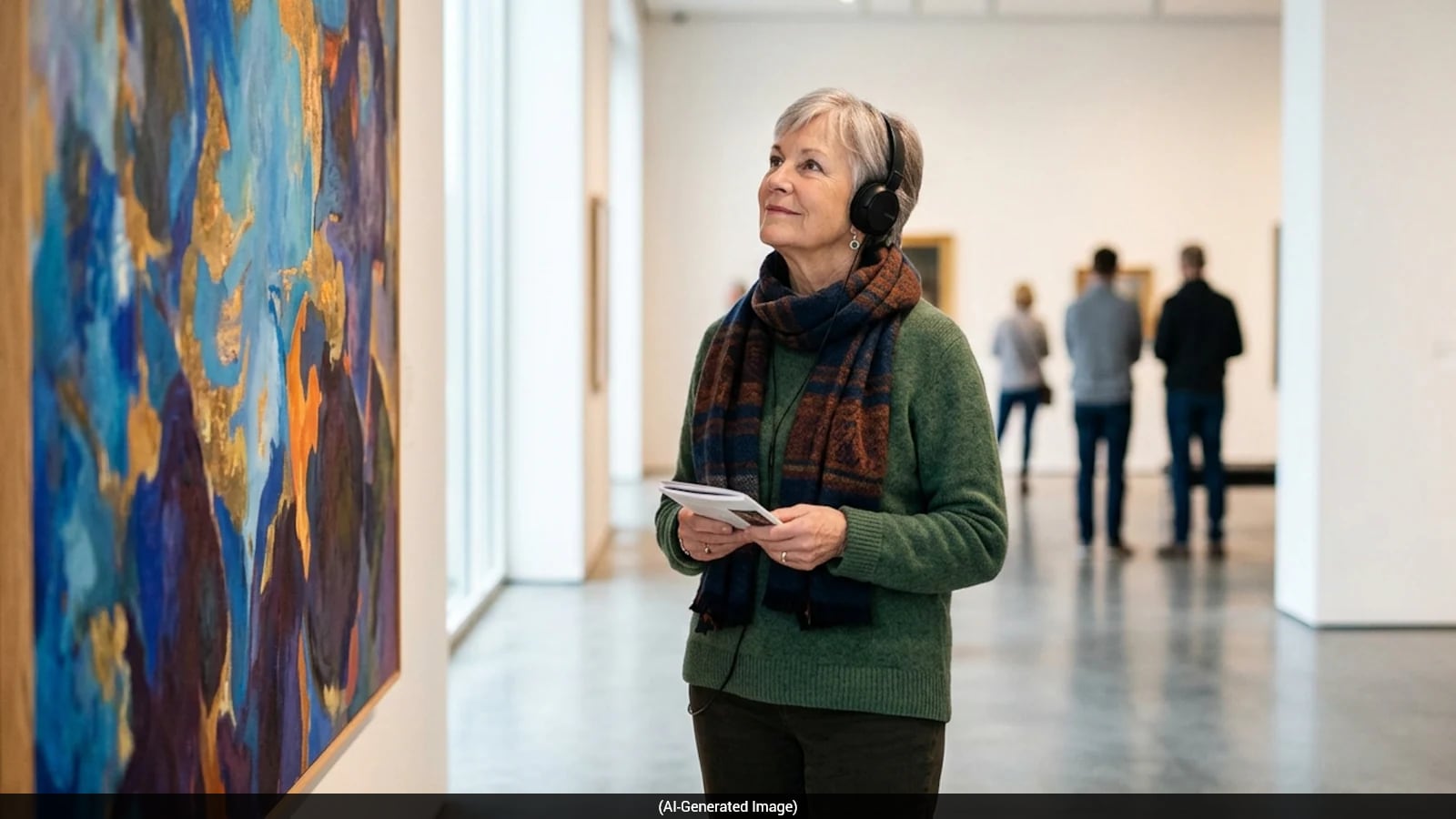
A groundbreaking study published this week in Nature Aging by researchers at the Global Health Institute (GHI) reveals that consistent engagement in cultural activities, specifically attending live music performances and visiting museums, can significantly decelerate the biological aging process by up to 4%. This rigorous analysis, which leveraged longitudinal data from thousands of adults over a decade, pinpointed measurable positive shifts in epigenetic clocks, suggesting these activities are not mere leisure but powerful lifestyle interventions. This finding elevates cultural participation beyond simple enrichment, framing it as a potent, accessible tool for public health, akin to moderate exercise. It builds on a growing body of evidence linking social engagement and cognitive stimulation to improved longevity, diverging from the prevailing focus solely on physical activity or diet. The GHI team specifically highlighted how regular exposure to art and music boosts neuroplasticity and cognitive reserve, crucial buffers against age-related decline, alongside reducing stress hormones like cortisol. The research immediately shifts the conversation around proactive aging strategies, underscoring the role of cultural policy and urban planning in fostering environments conducive to healthspan extension. Future investigations are expected to delve into the specific neural pathways activated, potentially identifying the precise dose and type of cultural stimulus for maximum benefit. For now, the message is clear: your next concert ticket or museum pass could be a prescription for a longer, healthier life.