Nargund Farmers' Drought Protest Ends with Assurances Amid Karnataka's Broader Crisis
Context mode is active. Hover over any highlighted term to see its definition. Click a nested term to go deeper.
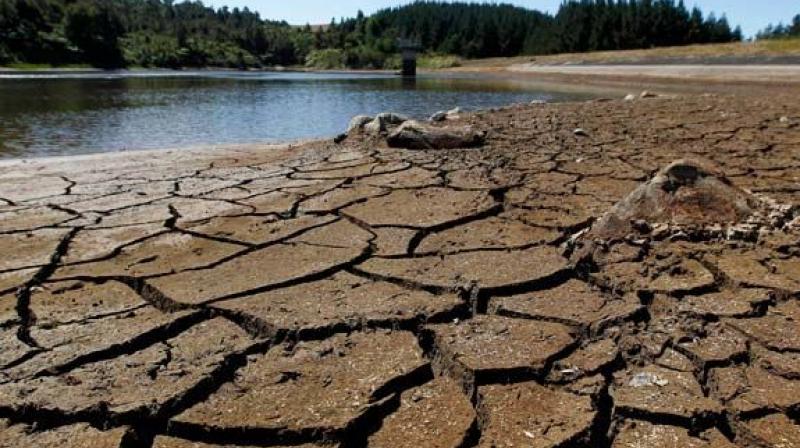
Farmers in Nargund, Karnataka, staged a forceful 'bandh' on September 13, 2026, demanding their taluk be officially declared drought-hit after severe monsoon failure led to widespread crop losses and job scarcity. Organized by the Mahadayigagi Mahavedike, the protest brought local bus services and commercial activity to a standstill, highlighting deep discontent with the government's current drought assessment that excluded the Malaprabha irrigation command area. The agitation concluded after Deputy Commissioner Sridhara received a memorandum and provided assurances, though specific details of the resolution remain undisclosed. This local protest mirrors a larger, evolving crisis across Karnataka, where 101 taluk have already been declared drought-hit, with the state government anticipating this number could soar to nearly 200 by month-end due to deficient rainfall. Deputy Chief Minister G. Parameshwara has consistently emphasized adherence to Central government norms, outlined in the Manual for Drought Management, 2016, for drought declaration to qualify for crucial National Disaster Response Fund (NDRF) compensation. This strict adherence creates tension, especially as Nargund's specific rainfall data from August 2026 initially showed an 18% excess, a figure slated for re-examination, contrasting sharply with the ground reality farmers report. With a comprehensive drought report expected soon from Karnataka to the Union government, the coming weeks will reveal whether Nargund and other excluded taluk will be added to the official drought-hit list. Central teams are slated to conduct ground assessments, a critical step before relief funds are released, but the delay has already exacerbated rural distress. The outcome will not only determine immediate farmer relief but also test the flexibility and responsiveness of state and central disaster management frameworks in addressing localized agricultural crises amidst broader regional drought.