NASA Boosts Moon Base Ambitions with $600M Lander Awards, Targeting 2028 Deliveries
Context mode is active. Hover over any highlighted term to see its definition. Click a nested term to go deeper.
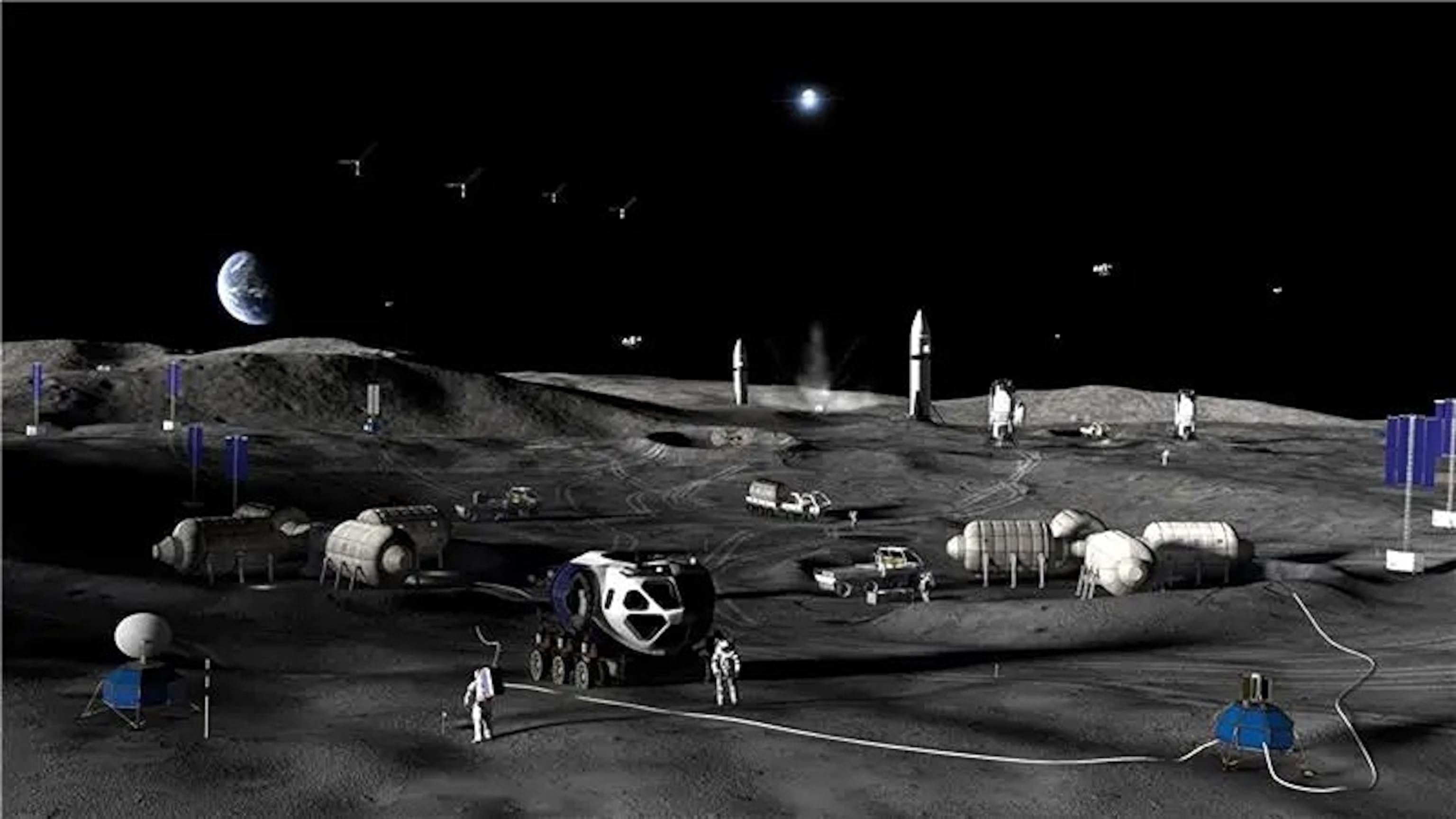
NASA is doubling down on its lunar ambitions, recently awarding nearly $600 million in contracts for four robotic lunar landings slated for late 2028. This move, part of the broader Artemis program, aims to establish a 'proving ground' for future Moon Base operations, with Astrobotic securing the largest share for two missions, and Firefly Aerospace and Intuitive Machines each receiving funds for one. These missions are critical for delivering science payloads and technology demonstrations needed to build a sustainable human presence on the Moon by 2030, eventually paving the way for human missions to Mars. The awards, issued under NASA Commercial Lunar Payload Services (CLPS) program, highlight the agency's strategy of relying on private companies to accelerate lunar exploration, despite recent setbacks like Blue Origin New Glenn rocket explosion. The payloads include specialized instruments like the Stereo Camera for Lunar Plume Surface Studies (SCALPSS) to understand landing impacts, Linear Energy Transfer Spectrometer (LETS) to measure radiation, and Laser Retroreflector Arrays for navigation. This rapid cadence of robotic missions is designed to gather vital data on the challenging lunar South Pole environment before astronauts arrive, while also informing future designs for habitats and resource utilization. Looking ahead, NASA plans to solicit proposals for lunar power generation and habitation systems in the coming months, and is even considering sending a prototype of the Mars Perseverance rover, named PROMISE, to prospect for resources on the Moon. While Human Landing System (HLS) development by SpaceX and Blue Origin continues to face delays, these new awards underscore NASA commitment to building a robust lunar infrastructure. The success of these robotic missions will be crucial in mitigating risks and refining technologies for the planned crewed Artemis IV and V missions, which aim for lunar landings in early and late 2028, respectively, further solidifying the pathway to a long-term Moon Base.