NCERT's New Political Science Textbook Team Sparks Debate Over Cultural Focus and RSS Ties
Context mode is active. Hover over any highlighted term to see its definition. Click a nested term to go deeper.
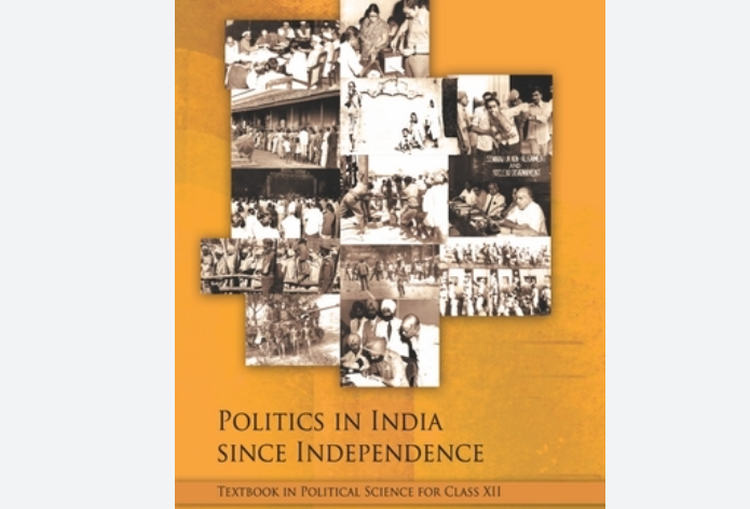
India's education landscape is buzzing as the National Council of Educational Research and Training, or NCERT, has just set up a new team to create Political Science textbooks for Classes 11 and 12. This team, led by academic Sandeep Shastri, has a clear goal: to make sure the new books focus on India's 'cultural roots' and 'Indian knowledge systems.' What's raising eyebrows, however, is that at least four members of this team have strong links to the Rashtriya Swayamsevak Sangh (RSS), its student wing ABVP, or the ruling BJP. This move isn't happening in a vacuum; it comes amid ongoing debates about the 'saffronization' of education in India. In recent years, NCERT has faced criticism for changes that critics say reshape history and science in textbooks, like removing references to the Babri Masjid demolition or Darwin's theory of evolution. Many see this latest development as another step in aligning educational materials with a particular ideological viewpoint, especially after the New Education Policy (NEP) was introduced, which also reflects the ideas of the RSS. The new team has a tight deadline: the Class 11 textbook needs to be ready by November 2026, and the Class 12 book by July 2027. As these new textbooks take shape, all eyes will be on how they balance traditional Indian thought with modern political science, and whether the 'cultural focus' truly makes learning more inclusive or fuels further controversy in India's classrooms. The ongoing review process will be key to seeing how these themes are finally woven in.