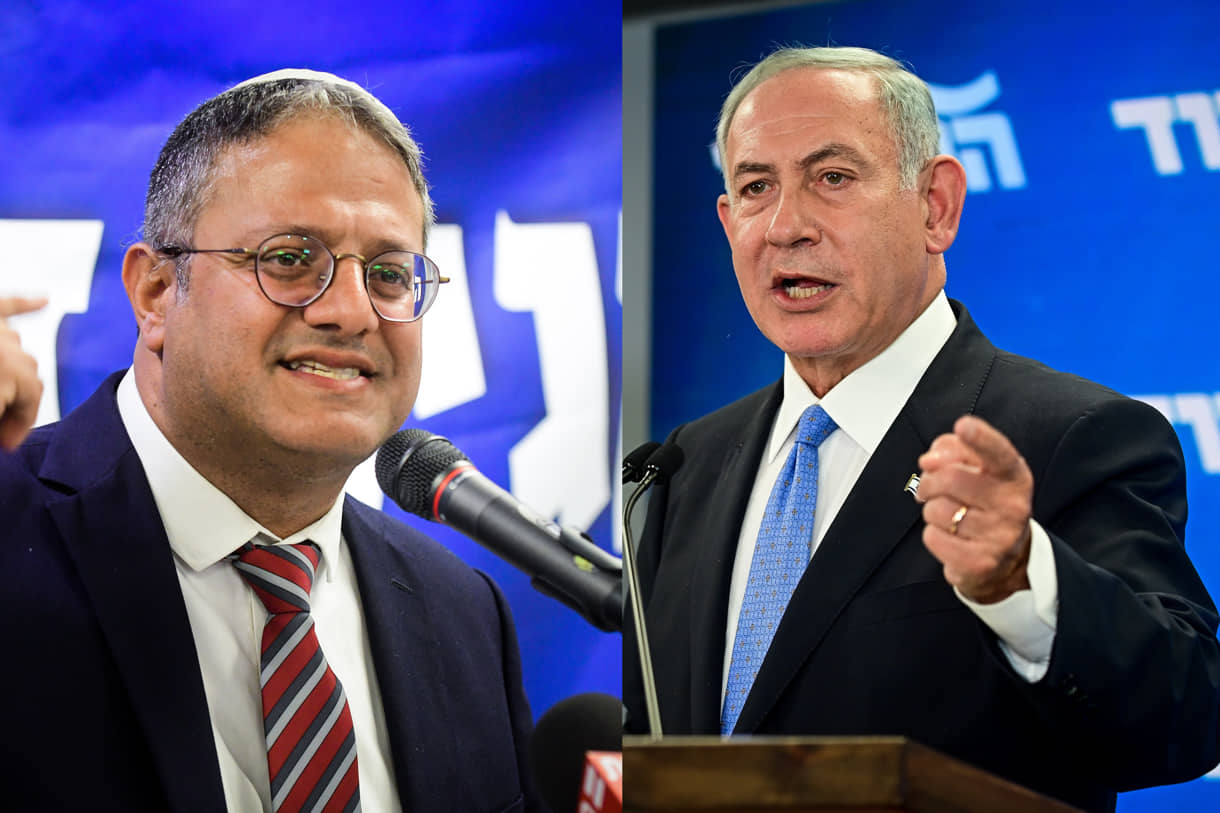
Netanyahu Praises Lebanon Agreement as Ben-Gvir Calls It a 'Historic Mistake'
Context mode is active. Hover over any highlighted term to see its definition. Click a nested term to go deeper.
A new trilateral framework agreement signed by Israel, Lebanon, and the United States on June 26, 2026, has ignited a fierce debate within Israel government, with Prime Minister Benjamin Netanyahu hailing it as a historic achievement against Iran and Hezbollah, while National Security Minister Itamar Ben-Gvir vehemently decried it as a 'historic mistake.' This US-brokered deal aims to finally end the ongoing conflict by disarming Hezbollah and dismantling its terror infrastructure in Lebanon, a move Netanyahu views as crucial for Israeli security and a direct blow to Iranian influence. The stakes couldn't be higher, as the agreement outlines a phased Israeli withdrawal from specific 'pilot zones' in southern Lebanon, contingent on the Lebanese Armed Forces (LAF) asserting full control and disarming non-state armed groups. However, Israel plans to maintain its 'security zone' in southern Lebanon, retaining operational freedom until Hezbollah is entirely disarmed—a condition that Ben-Gvir, whose Otzma Yehudit party champions a hardline stance, insists Lebanon cannot be trusted to fulfill. Hezbollah has already rejected the agreement, threatening renewed civil war if the Lebanese government attempts to disarm it, adding another layer of complexity to the region's volatile landscape, especially given the ongoing 2026 Iran War and an ambiguous US-Iran Memorandum of Understanding. Looking ahead, the success of this framework hinges on its implementation, particularly Lebanon capacity and willingness to disarm Hezbollah amid internal resistance and continued exchanges of fire in southern Lebanon. The United States has pledged conditional support to the LAF, emphasizing verifiable milestones. However, the deep ideological rift within Israel own government, epitomized by Ben-Gvir's demand for a cabinet vote and his public calls for 'total military victory' over relying on 'empty international promises,' suggests a challenging road ahead for regional stability.