New Jersey Battles Record Tick Season as Warming Climate Fuels Disease Surge
Context mode is active. Hover over any highlighted term to see its definition. Click a nested term to go deeper.
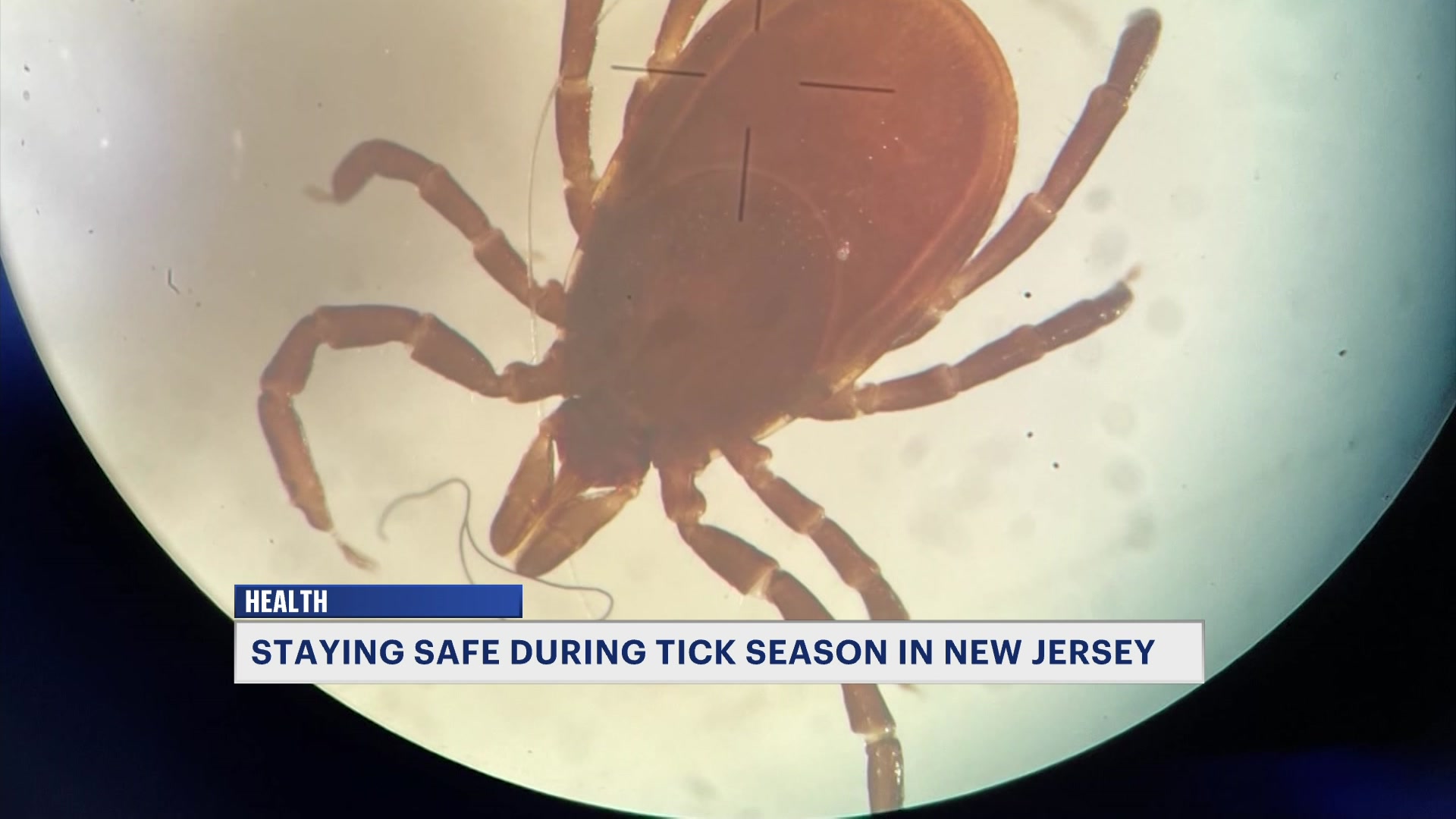
New Jersey is currently grappling with an unusually severe tick season, reporting over 4,000 tick-borne disease cases in 2026, with more than 3,500 attributed to Lyme disease alone. Emergency room visits related to tick bites have hit a decade-high, increasing by 25% nationwide compared to last year's figures, as the state faces a burgeoning public health challenge driven by a warming climate. The surge isn't just about more ticks; it's about the intensified threat of dangerous illnesses like Lyme disease, transmitted by Black-legged ticks, and Alpha-gal syndrome, a red meat allergy caused by Lone Star ticks. Warmer winters, expanding deer population, increased humidity, and suburban development are creating ideal breeding grounds, extending tick activity and facilitating their spread into new areas. The seriousness of the situation was underscored by U.S. Congressman Josh Gottheimer recent roundtable on July 30, 2026, addressing rising case numbers and diagnostic hurdles. As residents are urged to maintain vigilance through summer and into fall, health officials continue to emphasize preventive measures like repellents and diligent tick checks. Experts from Rutgers University and the New Jersey Department of Health predict that without significant intervention in landscape management and public awareness, these intense tick seasons are likely to worsen. The ongoing challenge highlights the critical intersection of environmental shifts and public health, with long-term consequences for human well-being.