New Model Cracks Glioblastoma's Spread, Paving Way for Advanced Drug Tests
Context mode is active. Hover over any highlighted term to see its definition. Click a nested term to go deeper.
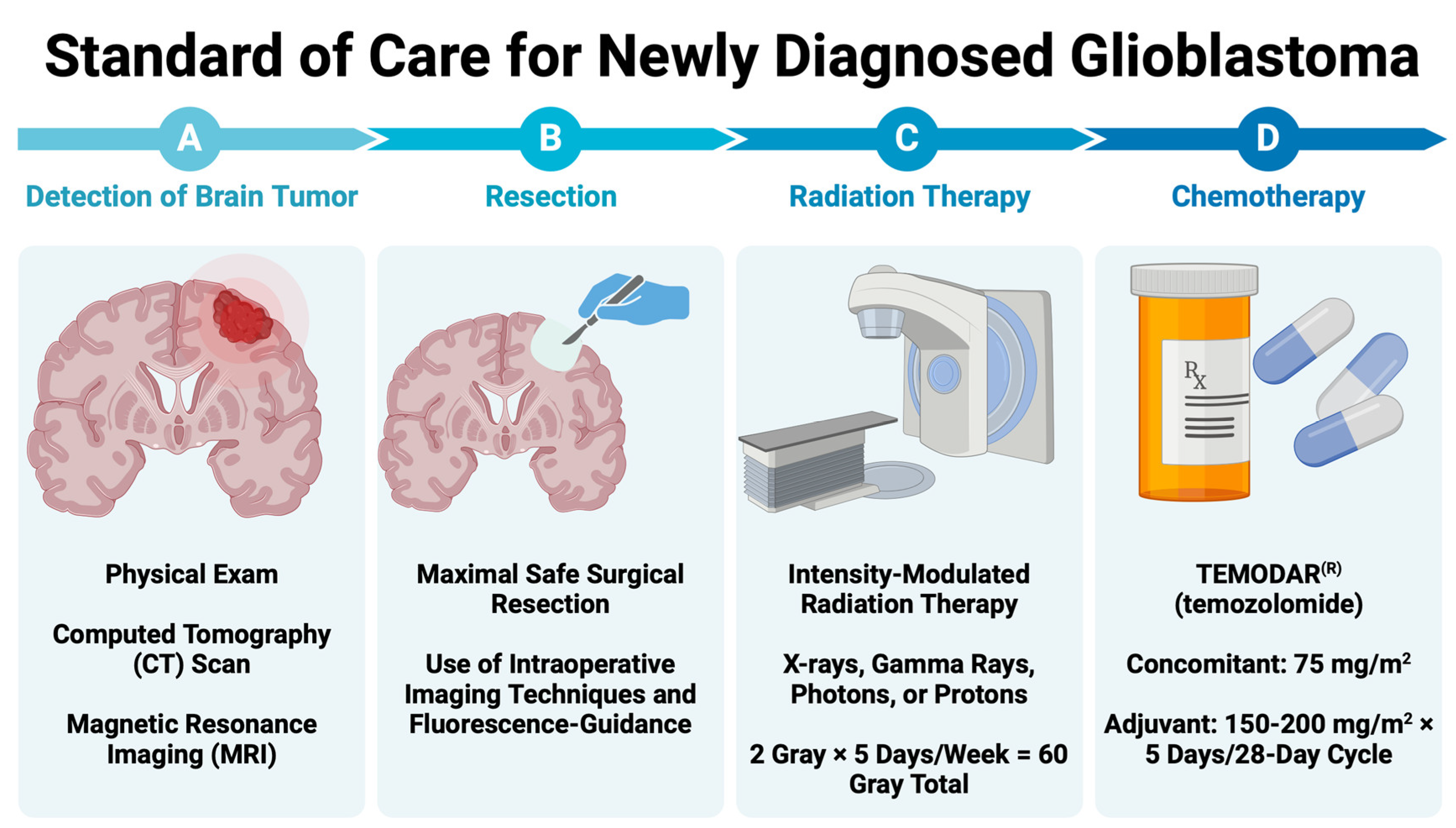
Researchers from the University Hospital Bonn (UKB) and the University of Bonn have unveiled 'Core2Edge,' a groundbreaking human tissue model designed to precisely replicate the invasive edge of glioblastoma, one of the deadliest brain cancers. This new platform allows scientists to study how cancer cells aggressively spread into healthy brain tissue and test new drug therapies directly on human samples, marking a significant leap in cancer research. Glioblastoma is notoriously aggressive, with tumor cells often infiltrating far beyond the main mass, making complete surgical removal impossible and leading to frequent recurrence despite treatments like radiation and chemotherapy. Core2Edge addresses this by combining patient-derived glioblastoma organoids, which are like miniature tumor tissues, with actual human brain slices, creating a realistic 3D environment to track cell migration and understand the tumor's complex internal differences, known as intratumoral heterogeneity. This unique setup also lessens the reliance on animal models, offering a more relevant way to study the disease. Published in Nature Protocols, this model sets the stage for faster development of targeted drugs. It could allow for better screening of new treatments, including innovative approaches like focused ultrasound to open the blood-brain barrier for drug delivery, or advanced immunotherapies and oncolytic viruses currently in clinical trials. Understanding the invasive front in a human-specific context is crucial, and Core2Edge brings us closer to finding effective ways to stop this relentless cancer.