New paediatric cardiac surgery technique to speed up recovery
Context mode is active. Hover over any highlighted term to see its definition. Click a nested term to go deeper.
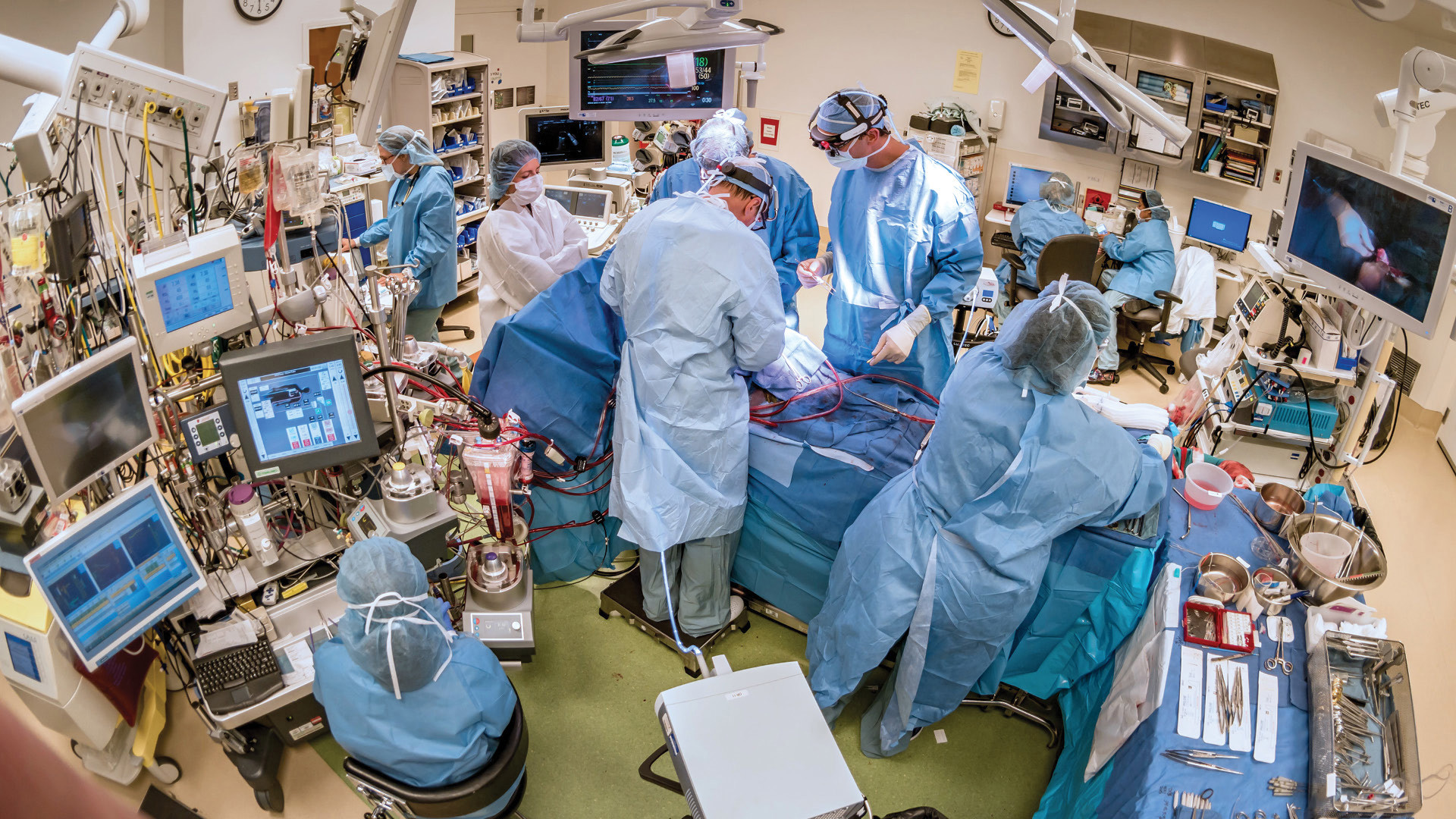
Slovenia's main medical center, the University Medical Centre Ljubljana, is now using a special, less-invasive way to fix heart problems in children. This new approach means smaller cuts, less pain, and much faster recovery for young patients with certain heart defects. It's a big step away from traditional open-heart surgery, letting children get back to their normal lives quicker. This move is a game-changer because regular open-heart surgery often means a long, big cut down the middle of the chest, known as a median sternotomy, which can be very hard on a child's body. Minimally invasive methods, like thoracotomy or mini-sternotomy, avoid splitting the breastbone, leading to less tissue damage and scarring, and greatly reducing hospital stays. This reflects a global shift in paediatric cardiac surgery, where the focus is not just on saving lives but also on improving the child's quality of life and reducing trauma. Other advancements, like special catheterization procedures and even genetic testing, are also pushing the boundaries of what's possible in treating young hearts without major surgery. Looking ahead, this adoption by a leading European medical center could inspire other hospitals worldwide to expand their use of these gentler techniques. As more cardiac surgeon get trained and become comfortable with these advanced methods, more children suffering from conditions like atrial septal defect could benefit. The goal is to make these less-invasive options the new standard, ensuring that kids spend less time recovering from surgery and more time just being kids.