New Study: Baby-Led Weaning Proven Safe, Nurturing Healthy Infant Growth
Context mode is active. Hover over any highlighted term to see its definition. Click a nested term to go deeper.
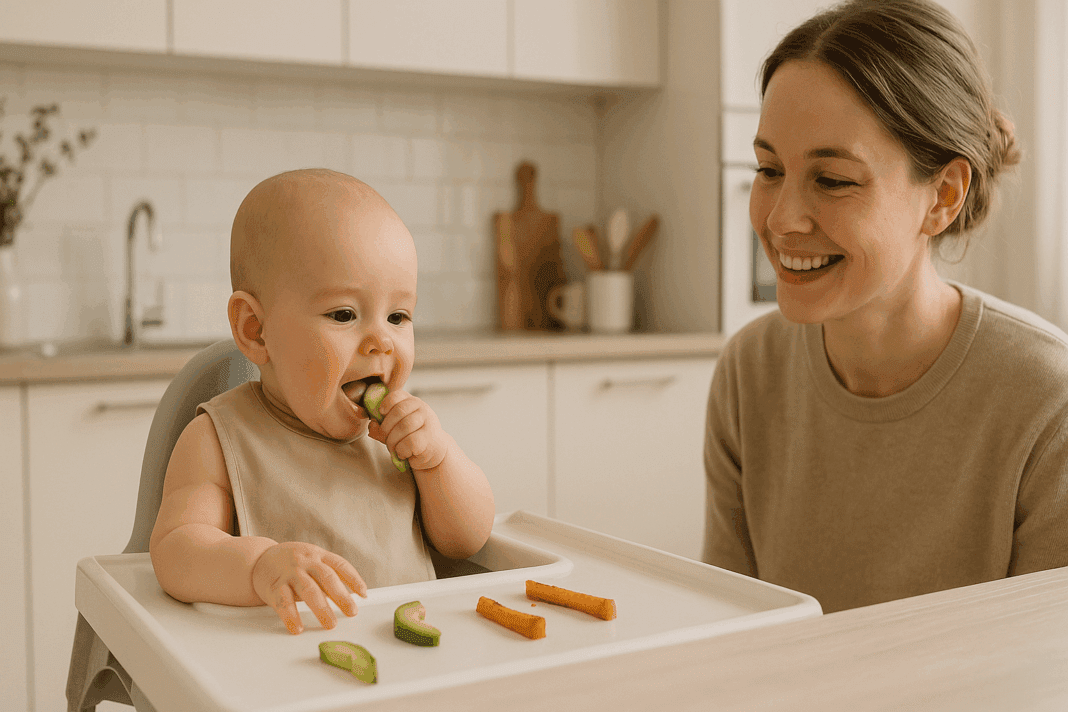
A landmark study by Colorado State University (CSU) nutritionists, published this week in the Journal of the Academy of Nutrition and Dietetics, delivers reassuring news for parents: baby-led weaning (BLW) doesn't just work, it fully supports healthy infant growth. This rigorous research, which tracked babies from six months to one year, directly confirms that allowing infants to self-feed solid foods from the start leads to similar growth trajectories and nutrient intake as traditional spoon-feeding, effectively putting long-standing parental anxieties to rest. For years, the debate between baby-led weaning and conventional weaning has simmered, with many parents and pediatricians voicing concerns about potential choking hazards or inadequate nutrient intake, particularly iron. This new study, a key secondary analysis from the larger National Institutes of Health (NIH)-funded Maternal and Infant Nutrition Trial (MINT), provides robust, data-driven evidence countering those fears. It highlights how BLW fosters crucial infant development skills, including self-regulation of food intake, which proponents argue could set the stage for healthier eating habits in the long term. This definitive scientific backing is set to significantly boost parental confidence in the baby-led approach, potentially influencing future pediatric guidelines and widely accepted feeding practices. Experts like Dr. Minghua Tang and Kinzie Matzeller, who led the research, emphasize that successful BLW still hinges on developmental readiness and offering appropriately textured, safe foods. The focus now shifts to ensuring parents receive clear, evidence-based guidance to implement baby-led weaning safely, empowering a generation of infants to explore food autonomously and healthily.