New Study Links Red Meat to Higher Pancreatic Cancer Risk, Processed Meat Unclear
Context mode is active. Hover over any highlighted term to see its definition. Click a nested term to go deeper.
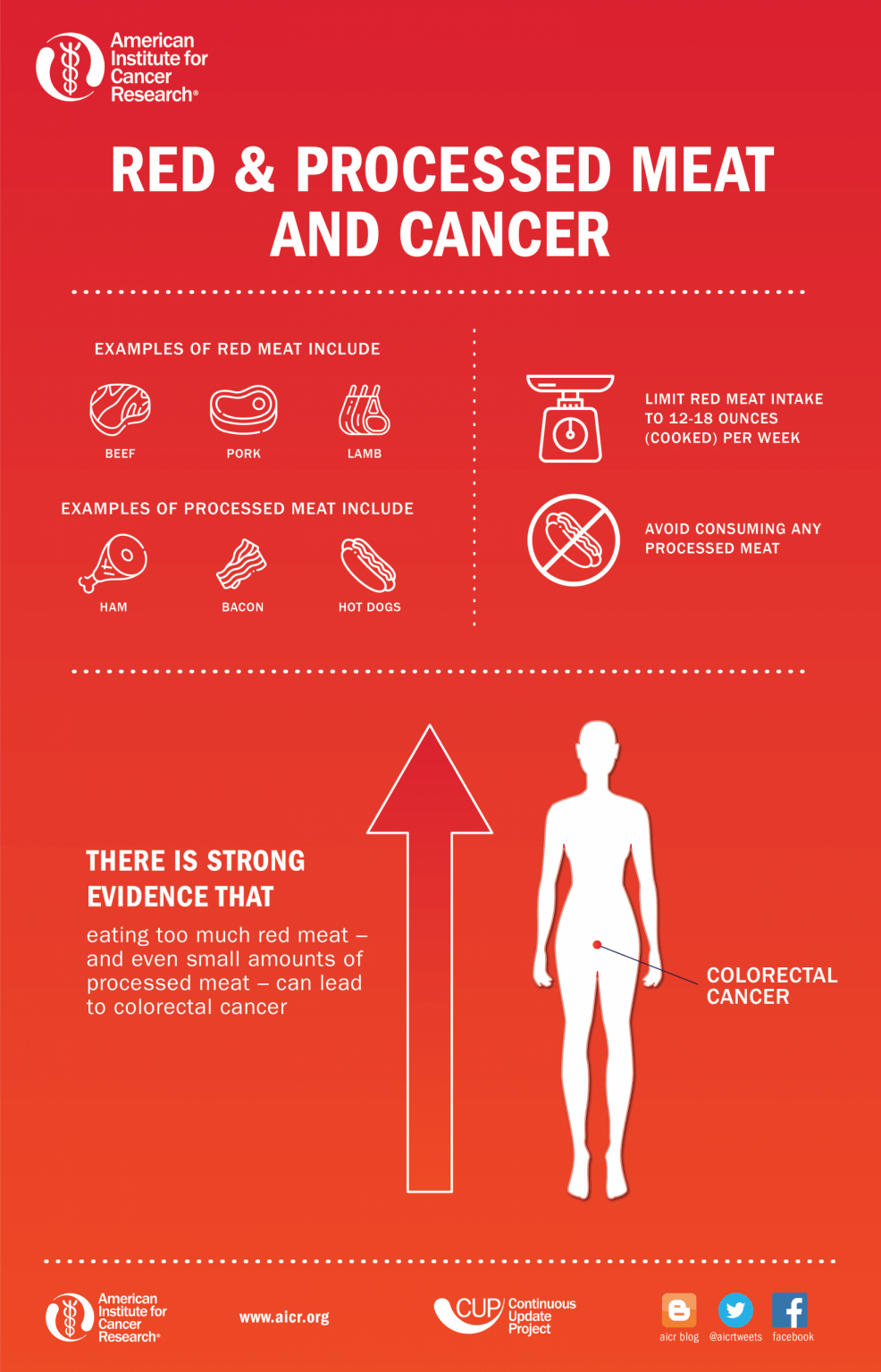
A groundbreaking systematic review and meta-analysis, recently published in the journal Frontiers in Nutrition, has brought fresh attention to the link between diet and health, specifically highlighting that a higher intake of red meat could modestly increase the risk of developing pancreatic cancer. This extensive study, which pulled data from 16 previous studies and included nearly 2 million participants, found that those who ate the most red meat had a 16% higher chance of getting pancreatic cancer compared to those who ate the least. Every extra 100 grams (about a small hamburger patty) of red meat consumed daily was associated with a 10% jump in risk. While this new research strengthens the evidence against red meat for pancreatic cancer, it notably did not find a clear statistical link for processed meat in this specific analysis, a finding that stands apart from some earlier studies and general dietary advice regarding other cancers like colorectal cancer. Scientists suggest several reasons for red meat potential impact, including compounds like heme iron, which can lead to cell damage, and the formation of harmful chemicals such as N-nitroso compounds, heterocyclic amines, and polycyclic aromatic hydrocarbons when meat is cooked at high temperatures. These substances can harm DNA and lead to genetic changes that promote cancer. Moving forward, these findings will likely fuel ongoing discussions about dietary guidelines and cancer prevention strategies globally. While the study emphasizes a 'modest' increase in risk and points out that it's based on observational studies (meaning it shows a connection, not direct cause-and-effect), it reinforces the advice from health bodies like the American Cancer Society and the American Institute for Cancer Research to moderate red meat consumption. Further research will be crucial to understand these mechanisms fully and to provide even clearer dietary recommendations for reducing the risk of this aggressive disease.