New Technologies Expand Treatment Options for Calcified Coronary Lesions: Study
Context mode is active. Hover over any highlighted term to see its definition. Click a nested term to go deeper.
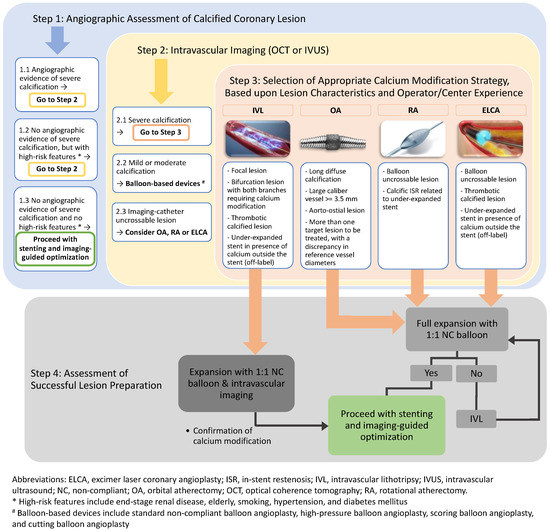
Groundbreaking data unveiled at EuroPCR 2026 has confirmed a paradigm shift in treating severely calcified coronary lesions, long considered a formidable barrier to effective revascularization. Experts highlighted how the strategic combination of advanced atherectomy techniques—Rotational Atherectomy (RA) and Orbital Atherectomy (OA)—with Intravascular Lithotripsy (IVL) is now routinely overcoming these challenges, offering viable Percutaneous Coronary Intervention (PCI) options for patients previously relegated to complex bypass surgery or palliative care. This breakthrough directly addresses the critical issue of stent underexpansion and malapposition, prevalent in heavily calcified vessels and a major predictor of long-term adverse events. By employing sequential plaque modification strategies, clinicians can meticulously prepare even the most recalcitrant lesions. Recent trials presented at the conference demonstrate significantly improved procedural success rates and enhanced stent deployment, directly translating into better patient outcomes and reduced recurrence of ischemic events. The implications are profound for an aging global population with rising rates of Coronary Artery Disease. Moving forward, the focus will be on refining patient selection algorithms, optimizing combination protocols, and expanding access to these specialized tools. Expect heightened competition among device manufacturers like Shockwave Medical, Boston Scientific, and Cardiovascular Systems Inc., as they vie to demonstrate superior long-term efficacy and cost-effectiveness in this rapidly evolving and high-stakes segment of interventional cardiology.