New water-powered tech could power batteries that can last hundreds of years without degrading — and are so safe that the electrolytes can be used as 'tofu-brine' for home cooking
Context mode is active. Hover over any highlighted term to see its definition. Click a nested term to go deeper.
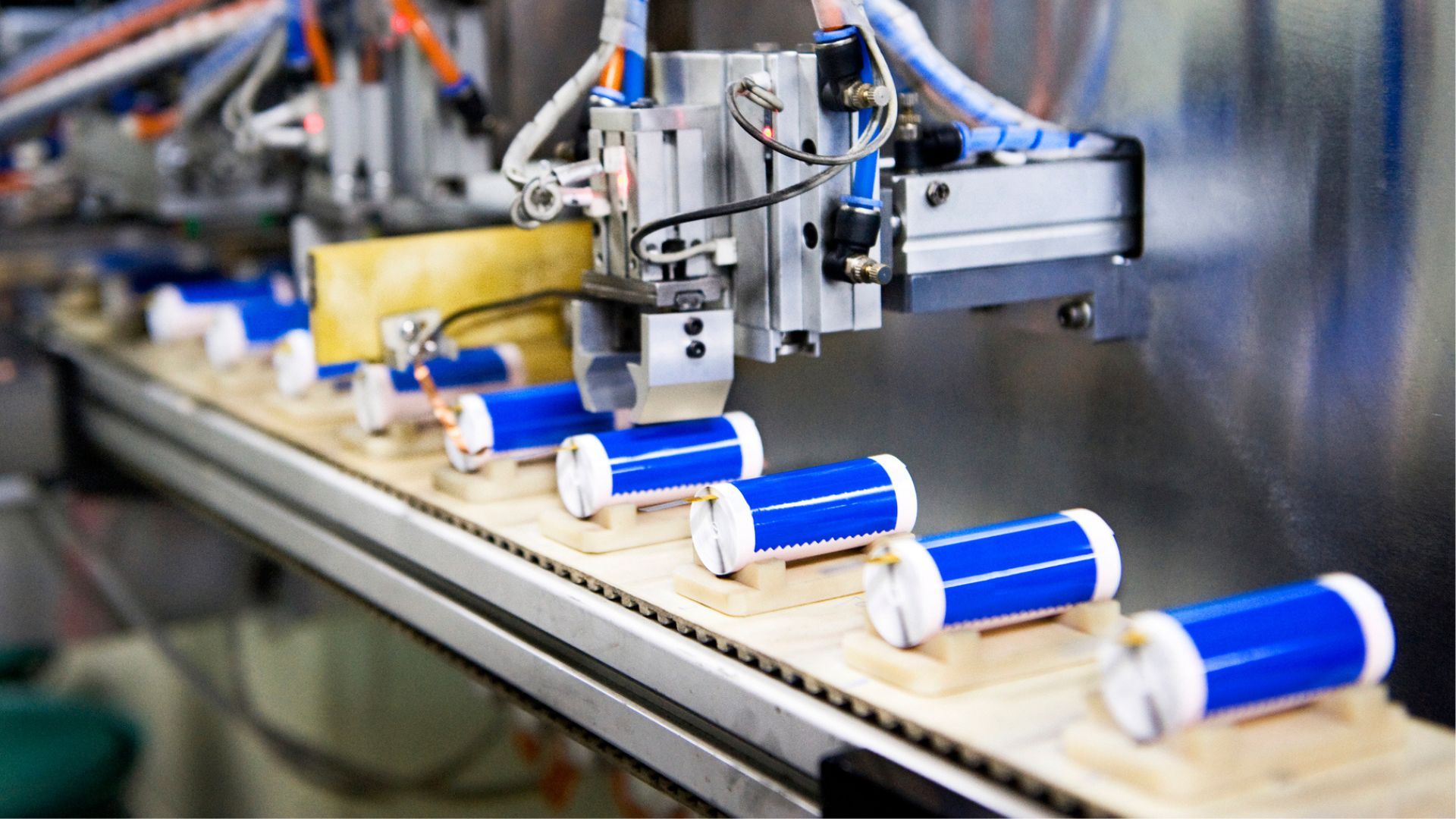
Chinese scientists have announced a significant breakthrough in battery technology with the development of a novel non-toxic water battery capable of enduring an unprecedented 120,000 charge and discharge cycles, suggesting a potential lifespan of hundreds of years without significant degrading. This innovation utilizes corrosion-resistant organic polymer structures within an aqueous electrolyte, which is reportedly so safe it's likened to tofu-brine, effectively addressing major safety and environmental concerns associated with current battery technologies. This development represents a critical leap towards long-duration, safe, and sustainable energy storage, essential for integrating intermittent renewable energy sources into electrical grids and accelerating the global shift away from fossil fuels. The dramatically extended cycle life directly tackles the widespread issue of battery degrading, a primary limiting factor for the broad adoption of existing solutions like lithium-ion batteries, while the non-toxic composition and use of abundant materials could reduce geopolitical pressures tied to critical raw materials, fostering greater resource security.