New York Landlords Launch Legal Fight Against Mayor Mamdani's Rent Freeze
Context mode is active. Hover over any highlighted term to see its definition. Click a nested term to go deeper.
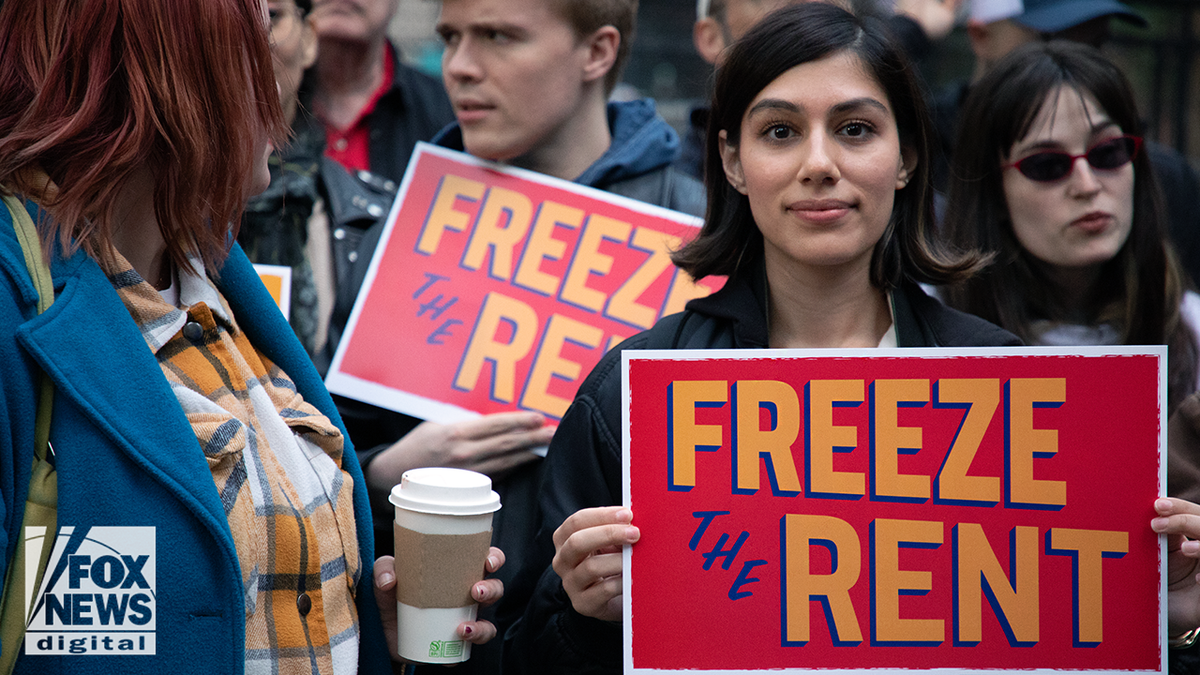
New York City's rental market is facing a major legal battle as a group of landlords sued Mayor Zohran Mamdani on Wednesday to stop his controversial rent freeze. The lawsuit aims to block a policy that would halt rent increases for approximately one million rent-stabilized apartments from October 1, 2026, through September 30, 2027, fulfilling a key campaign promise from the self-declared democratic socialist mayor. This move is part of Mamdani's broader crackdown on landlords, which also includes plans to formally recognize tenant unions and potentially ban or limit credit checks for prospective renters. The landlords argue that the rent freeze is 'irrational' and will cause severe financial hardship, citing rising costs for mortgages, insurance, utilities, and repairs while their income remains stagnant. They accuse Mayor Mamdani of 'stacking the deck' by appointing most of the Rent Guidelines Board (RGB) members to ensure a predetermined vote, a claim that even led to one landlord representative on the board resigning before the final decision. This clash highlights the deep divide in New York, where tenant advocates celebrate the freeze as crucial relief for over two million struggling residents, while property owners warn of potential disinvestment and deterioration of the city's aging housing stock. With a virtual hearing scheduled for September 2, 2026, in the New York State Supreme Court, all eyes are on how this legal challenge will unfold. The outcome could significantly reshape the city's housing landscape, influencing everything from property values and investment flows to the future of tenant protections and landlord responsibilities. Beyond the rent freeze, the city is also moving forward with 23 other tenant protection proposals outlined in its 'Rental Ripoff Hearing Report,' including rules for collective bargaining with tenant unions and reforms to credit checks, signaling a prolonged period of regulatory change for New York's housing sector.