North India Grapples with Monsoon Mayhem as Heavy Rains Wreak Havoc
Context mode is active. Hover over any highlighted term to see its definition. Click a nested term to go deeper.
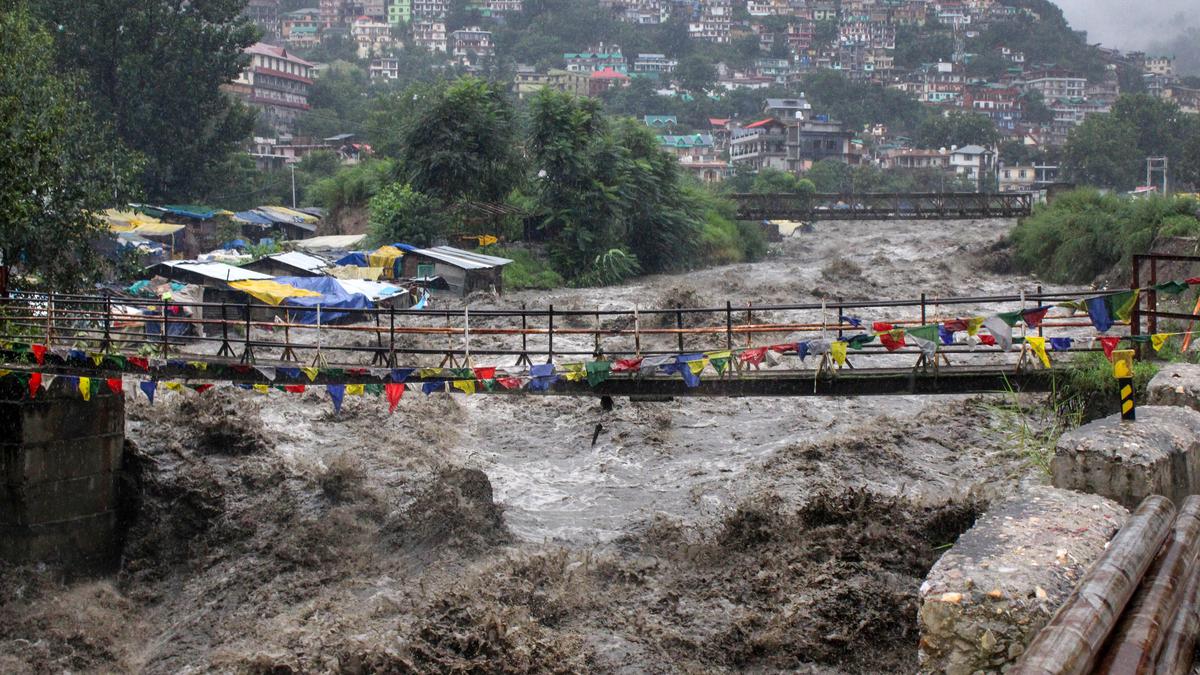
North India is currently battling a full-blown monsoon assault, with Delhi-NCR experiencing its season's first heavy downpour that has brought the capital region to a standstill. Widespread waterlogging, crippling traffic jams, uprooted trees, and even flight delays have become the norm, marking a chaotic start to the wet spell for millions of commuters. The sudden intense rains have, however, offered a temporary respite from the sweltering heat that had gripped the region previously. The India Meteorological Department (IMD) has confirmed the rapid advance of the Southwest Monsoon, now poised to cover the entire country within the next 48 to 72 hours, driven by a persistent low-pressure area over central India and an active monsoon trough. While Delhi-NCR remains under a 'Yellow Alert' for continued showers, the IMD has escalated warnings to 'Orange' for states like Uttar Pradesh, Uttarakhand, and Punjab, and even 'Red' for Sub-Himalayan West Bengal and Sikkim, highlighting the potential for severe weather-related disruptions. This intense activity has already seen parts of Gurugram suffer a major cave-in on National Highway 48, further complicating travel. Looking ahead, the IMD forecasts active monsoon conditions for most parts of the country for the next three to four days, though Delhi-NCR might see a temporary easing to a 'Green Alert' on July 10 and 11. However, a significant dry spell is anticipated across large parts of West, North-Central, and Southern India after July 13, potentially impacting Kharif sowing before rains are expected to revive post-July 20. This uneven distribution, coupled with earlier predictions of a slightly below-normal monsoon for 2026 due to developing El Niño conditions, suggests a challenging season that will require careful monitoring, particularly for its agricultural implications.