North Korea Unleashes Ballistic Missiles After Allied Military Drills Escalate Tensions
Context mode is active. Hover over any highlighted term to see its definition. Click a nested term to go deeper.
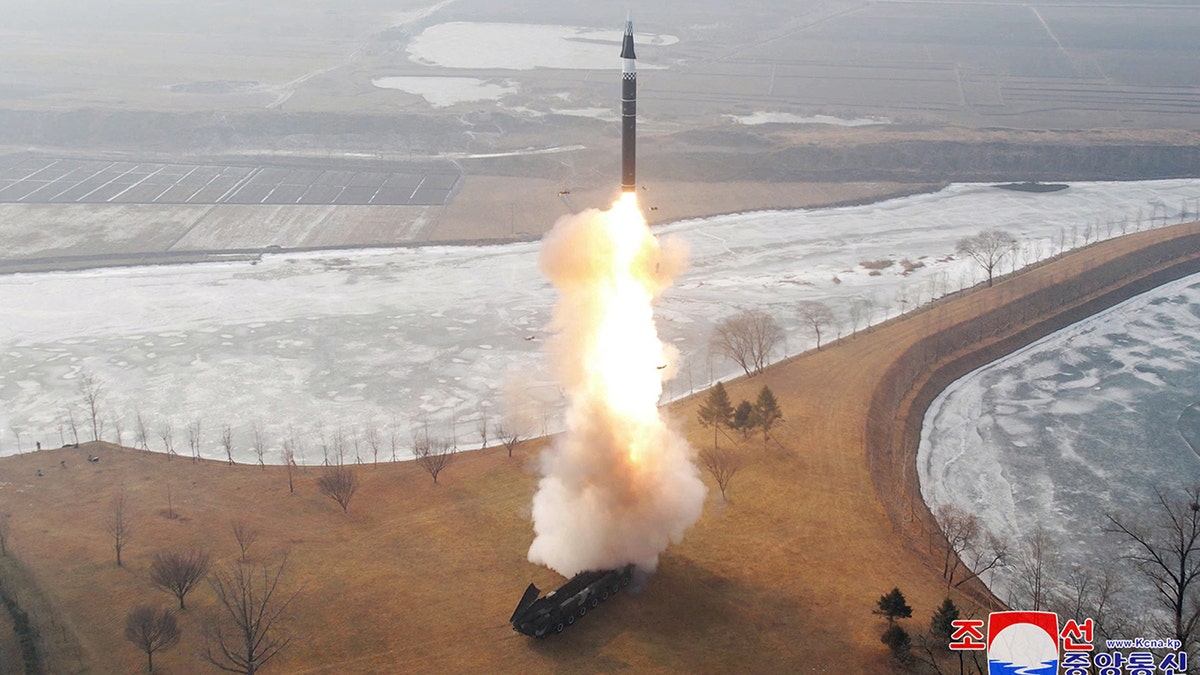
North Korea fired multiple short-range ballistic missiles into the East Sea on Saturday, September 12, 2026, marking a swift and defiant response to joint military exercises by the United States, South Korea, and Japan. The launches, detected from the Wonsan area on North Korea eastern coast, came just a day after the trilateral 'Freedom Edge' drills concluded, which Pyongyang has repeatedly condemned as a direct threat to its security. The missiles reportedly flew about 250 kilometers, underscoring North Korea continued development of its weapons program. This latest missile test escalates an already tense situation on the Korean Peninsula. North Korea defense minister, Kim Song Gi, had explicitly warned of 'strong and reflective countermeasures' against the recently concluded five-day military drills, which involved naval operations, aerial refueling, and cyber cooperation aimed at enhancing regional security. Furthermore, leader Kim Jong Un has been actively pushing for a more robust nuclear deterrent, even commissioning a second naval destroyer with alleged nuclear capabilities just days before the launches. Experts suggest Kim feels emboldened by recent progress in his nuclear program and stronger ties with countries like Russia and China. International condemnation is expected, with South Korea urging North Korea to cease its ballistic missile firings, which violate multiple UN Security Council Resolutions. While the US Pacific Command stated that the launches pose no immediate threat to US territory or its allies, the incident highlights the ongoing challenge of North Korea expanding military capabilities and its readiness to react forcefully to perceived provocations. The world will be watching for potential UN Security Council action and further diplomatic efforts to de-escalate these persistent tensions.