Norway's Salmon Paradox: Export King Imports Its Own Fish
Context mode is active. Hover over any highlighted term to see its definition. Click a nested term to go deeper.
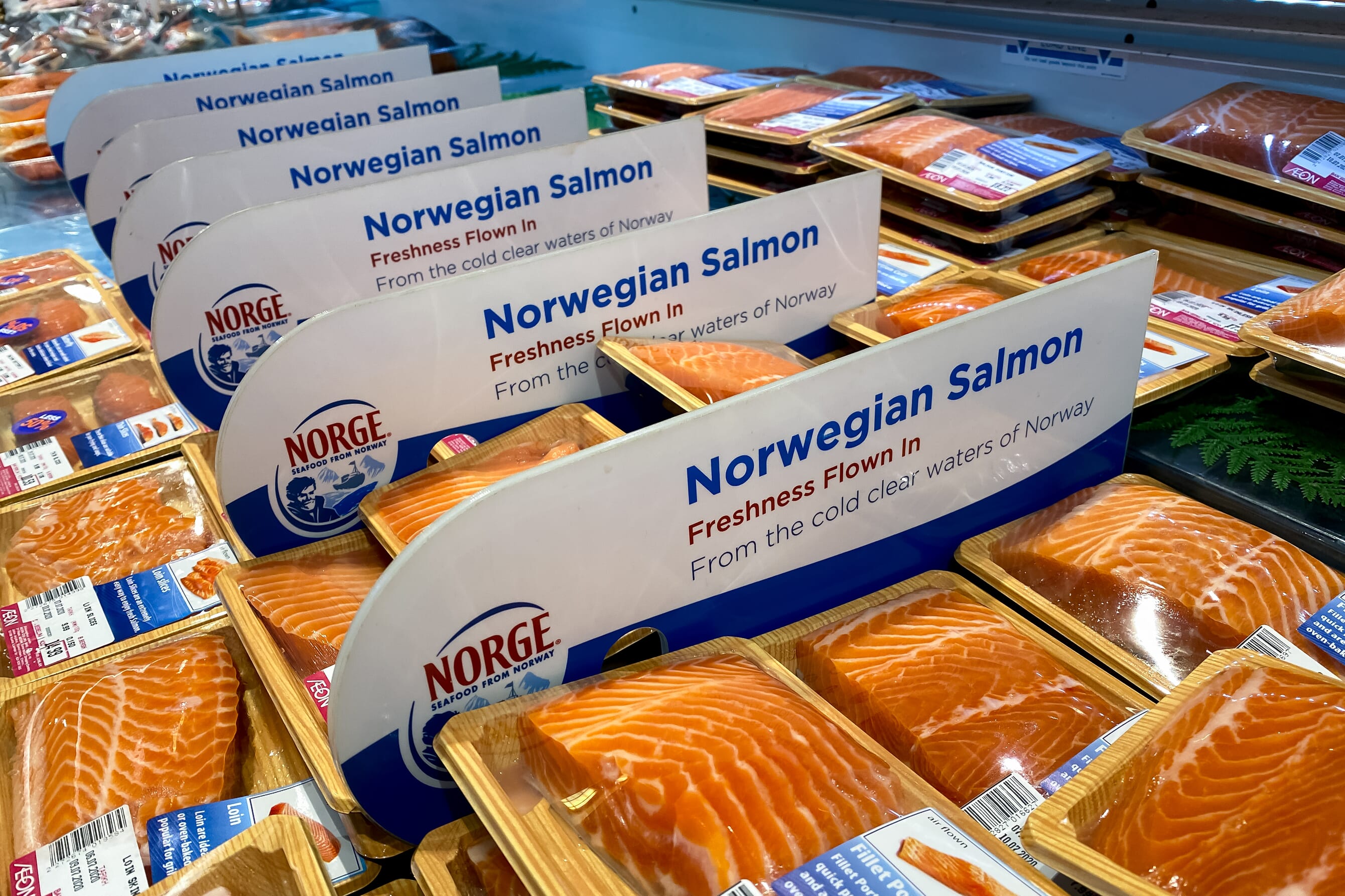
Norway, the world's leading salmon exporter, is caught in an unexpected global trade loop: it exports almost all its raw salmon, yet still imports processed salmon to satisfy its own markets. This seemingly odd practice, recently highlighted by the Norwegian Seafood Council latest figures, isn't a flaw but a deliberate outcome of a highly integrated international supply chain driven by cost efficiencies and trade policies. The heart of this paradox lies in differing tariffs and labor costs. Norway enjoys low tariffs on whole, gutted salmon exports to the European Union, typically around 2%, making it highly profitable to ship the fish largely unprocessed. However, tariffs on processed forms like fillets can jump to about 13%, combined with Norway high domestic wages, this makes local filleting and smoking economically unviable. This creates an incentive for key processing hubs, notably in Poland, to take on the 'knife work' – filleting, smoking, and packaging – before re-exporting these finished products back to markets, including Norway itself. This complex dance keeps global salmon prices competitive and meets diverse consumer demands worldwide. Looking ahead, this efficient, albeit circuitous, supply chain is likely to persist as global demand for processed salmon products continues to rise, especially in growing markets like China where sashimi is popular. While Norway consistently breaks export records, the industry will continue to leverage international processing networks to maintain profitability and cater to a worldwide appetite for salmon in various forms. This trend highlights how deeply intertwined national economies are within seamless global logistics, where optimizing every step, from fish farm to supermarket shelf, matters more than simply national origin.