Odisha's BJD Fights New Mining Law, Seeks President's Aid Over Rs 1 Lakh Crore Revenue Loss
Context mode is active. Hover over any highlighted term to see its definition. Click a nested term to go deeper.
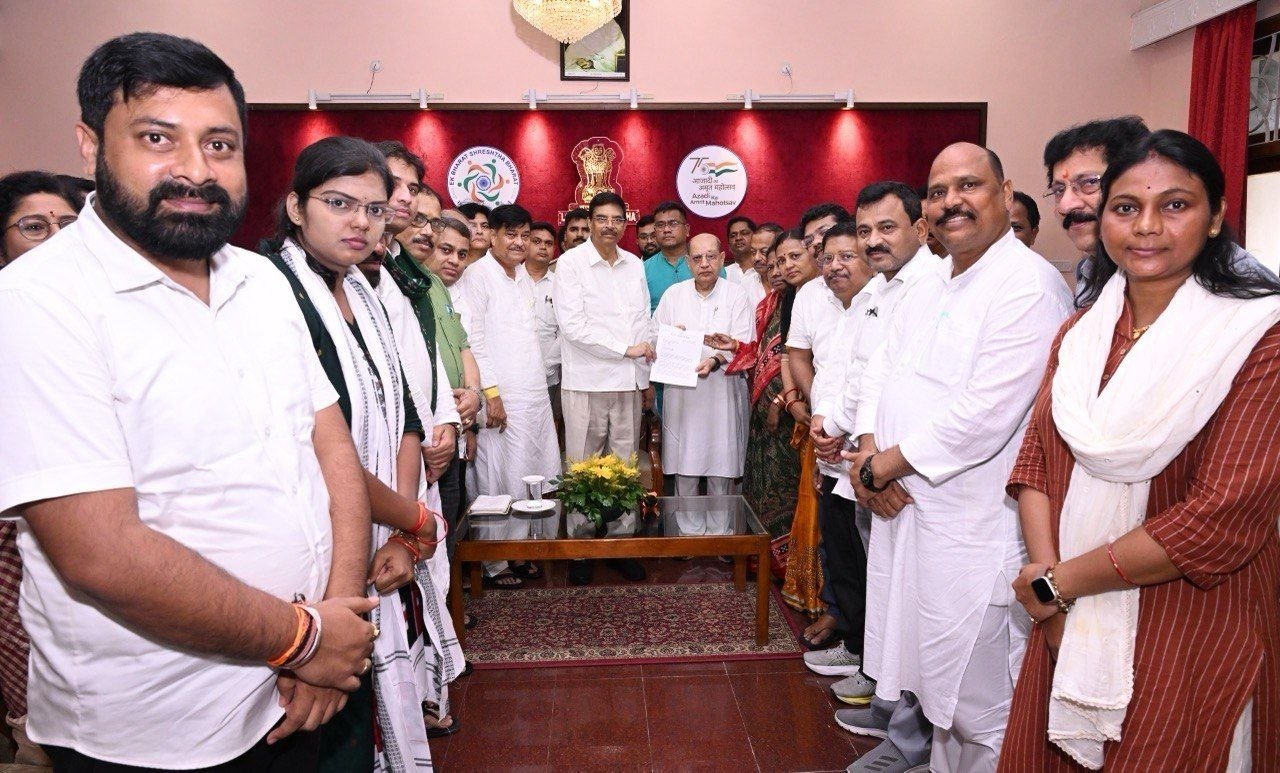
In a major showdown over states' rights and revenue, Odisha ruling Biju Janata Dal (BJD) took to the streets on Wednesday, fiercely protesting the new Mines and Minerals (Development and Regulation) Amendment Act, 2026. The party then sought urgent intervention from President Droupadi Murmu, arguing that the central law severely harms Odisha financial interests and India's federal system. The BJD claims the state stands to lose over Rs 1 lakh crore in past dues and an estimated Rs 12,000 crore annually in future mining revenues due to the changes. At the heart of the conflict is the 2026 Act, passed in August, which gives the Central Government more power to control rule-making for mineral development and limits states' ability to collect taxes on mineral-rich lands. This move directly challenges a significant Supreme Court judgment from July 25, 2024, which had earlier supported state government' power to impose such levies and recover dues. Mineral-rich states like Odisha depend heavily on these revenues to fund crucial welfare schemes, infrastructure, and development projects, making this a critical battle for their fiscal autonomy. Now, all eyes are on President Murmu, who has previously sought the Supreme Court's opinion on constitutional questions related to central-state powers over legislation. The BJD has submitted a detailed memorandum to Governor Hari Babu Kambhampati, hoping to prompt presidential review. This dispute could set a big example for how power is shared between the Centre and states, especially for other mineral-producing regions, and highlights ongoing tensions around federalism and economic governance in India.