Odisha's Leopard Hotspots Face 'Functional Extinction' Amidst Prey Scarcity, WII Study Reveals
Context mode is active. Hover over any highlighted term to see its definition. Click a nested term to go deeper.
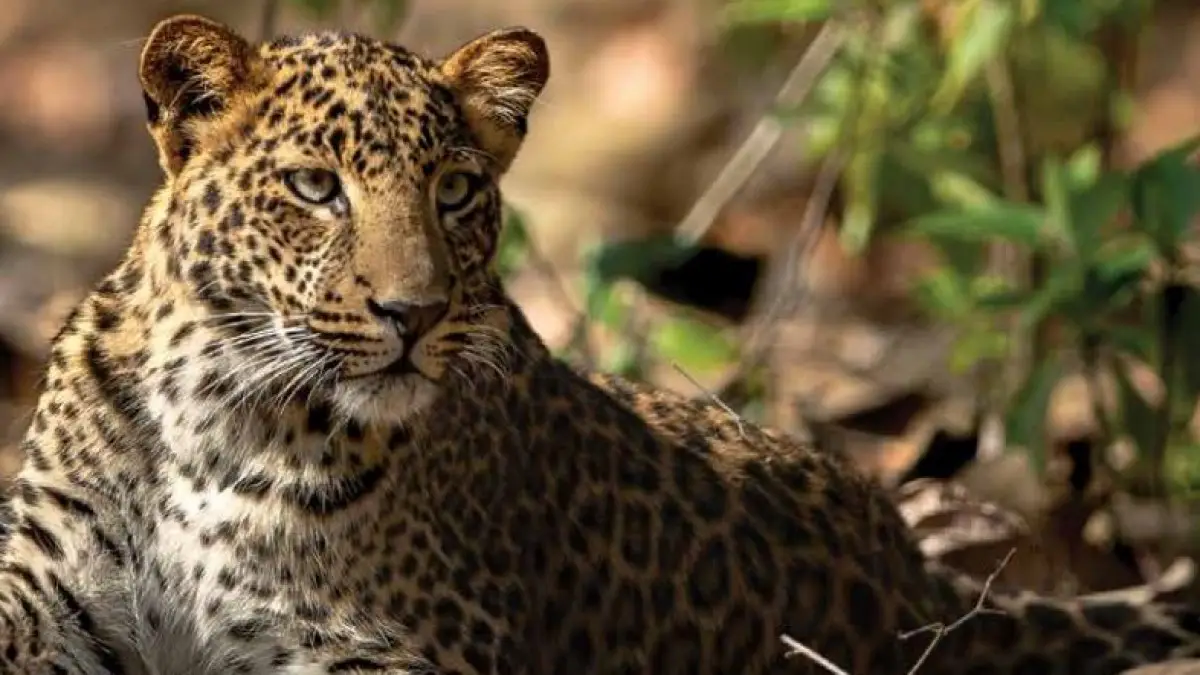
A recent study by the Wildlife Institute of India (WII), backed by the Odisha Forest Department, has revealed an alarming decline in leopard populations across critical parts of Odisha's Similipal-Satkosia landscape. While some areas like Satkosia and Mahanadi show healthy leopard densities, sites like Kuldiha and Hadagarh now face 'functional extinction' of these big cats, primarily due to a severe shortage of their natural prey. This localized decline starkly contrasts with India's overall growing large-carnivore population, highlighting a pressing issue in Odisha's east-central region where development and human expansion are shrinking natural buffers. The absence of medium to large-sized ungulates forces leopards to venture closer to human settlements, significantly escalating human-wildlife conflict. Reports from March 2026 indicate over 500 human fatalities in Odisha due to wild animal attacks in the last three years, with leopards contributing to these dangerous encounters. Researchers are urgently calling for a comprehensive conservation strategy, which includes boosting prey populations through 'prey supplementation', establishing 'ecological corridors' for safe movement, and enhancing monitoring in unprotected forest areas. Without immediate, targeted action, Odisha risks further intensifying human-animal conflict and losing these majestic predators from vital ecosystems, despite recent state-level increases in leopard numbers.